
Mold Removal in Cocoa: What Homeowners in Brevard County Should Know
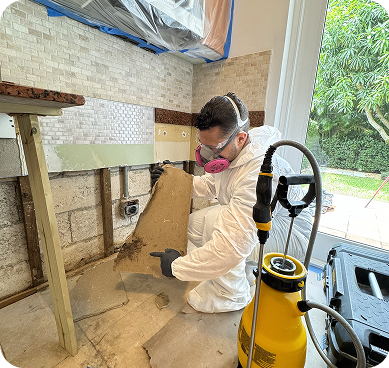
Mold removal in Cocoa works best when it focuses on why mold is there, not just where you can see it. With year-round humidity and constant AC use, mold often grows behind walls, under flooring, or inside HVAC systems long before it shows up on a surface.
Why Mold Problems Are Common in Cocoa Homes
Cocoa’s climate keeps moisture in play all year.
Common contributors include:
- High indoor humidity
- AC condensation and drainage issues
- Past roof or plumbing leaks
- Poor airflow in closets and corners
When moisture lingers, mold follows—every time.
Where Mold Is Commonly Found
Inspections in Cocoa frequently uncover mold in:
- Wall cavities behind bathrooms and kitchens
- Under flooring and carpet padding
- HVAC air handlers and ductwork
- Around windows, doors, and exterior walls
Visible mold usually represents only part of the problem.
Mold Removal vs Surface Cleaning
True mold removal addresses contaminated materials and moisture sources.
Proper mold removal includes:
- Identifying and correcting moisture problems
- Removing mold-affected materials
- Preventing spore spread during removal
- Cleaning and treating surrounding areas
Surface cleaning alone doesn’t stop regrowth.
Why HVAC Systems Matter
If mold reaches the HVAC system, spores circulate throughout the home.
Homeowners often notice:
- Musty odors when the AC starts
- Mold appearing in multiple rooms
- Ongoing indoor air quality issues
HVAC involvement requires targeted removal.
Why Mold Inspection and Testing Matter
Mold inspection identifies hidden growth and moisture sources. Mold testing confirms whether spores affect indoor air quality.
A complete approach includes:
- Mold inspection
- Mold testing
- Targeted mold removal
- Full mold remediation
Clear information prevents missed areas.
Final Thoughts
For homeowners in Cocoa, mold removal succeeds when moisture gets corrected and contaminated materials get removed properly. Address the cause, and mold stops coming back.