
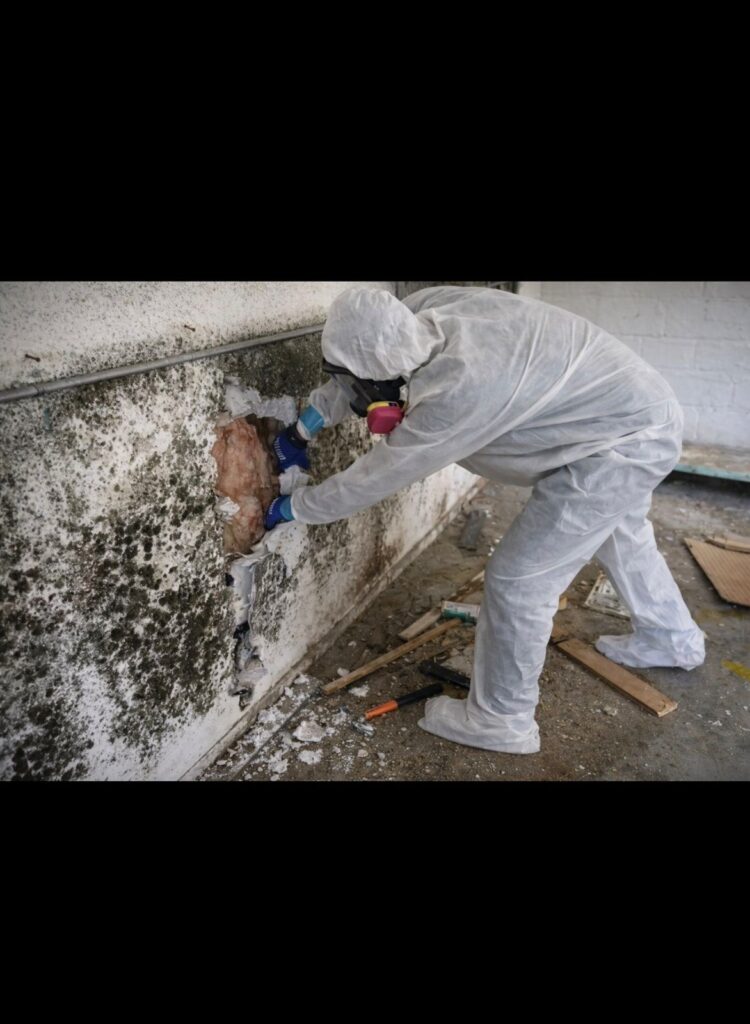
Mold Remediation in Cocoa Beach: What Homeowners in Brevard County Should KnowMold remediation is a serious and often necessary process for homeowners in Cocoa Beach and throughout Brevard County. Coastal humidity, salt air, frequent storms, and year-round air conditioning create ideal conditions for mold to grow—often in hidden areas long before it becomes visible. When mold is discovered, proper remediation is critical to protect indoor air quality, structural materials, and occupant health.This guide explains what mold remediation really involves, why it’s especially important in Cocoa Beach homes, and what homeowners should know before taking action.⸻Why Mold Is So Common in Cocoa Beach HomesCocoa Beach’s coastal environment creates constant moisture pressure on homes.Key contributing factors include: • High year-round humidity • Salt air accelerating material deterioration • Wind-driven rain during coastal storms • Roof and window seal failures • AC systems running most of the year • Condensation inside walls and HVAC systems • Limited airflow in certain rooms and closetsMold can begin growing within 24–48 hours after moisture exposure, even if no flooding occurred.⸻Mold Remediation vs. Mold RemovalThese terms are often used interchangeably, but they are not the same.Mold removal focuses on eliminating visible mold.Mold remediation focuses on: • Identifying and correcting moisture sources • Containing mold spores • Removing contaminated materials • Cleaning and treating affected areas • Protecting indoor air quality • Preventing mold from returningIn Cocoa Beach homes, remediation—not surface cleaning—is what stops recurring mold.⸻How Mold Develops in Coastal HomesMold thrives when warm, moist air meets cooler surfaces.Common moisture sources include: • Roof leaks after storms • Condensation behind walls • Humid outdoor air entering through gaps • Bathroom and kitchen steam • HVAC condensation and drain line problems • Poor attic or crawl space ventilationEven repeated light condensation can support mold growth over time.⸻Common Areas Requiring Mold RemediationMold remediation often involves more than one area of the home.Frequently affected locations include: • Bathrooms and shower enclosures • Behind drywall and baseboards • Under sinks and cabinets • Closets along exterior walls • Attics with roof or ventilation issues • Crawl spaces • HVAC systems and ductwork • Under flooring after water intrusionVisible mold usually indicates additional hidden growth.⸻Warning Signs Mold Remediation May Be NeededVisual Indicators • Black, green, or brown growth on walls or ceilings • Bubbling or peeling paint • Warped drywall or baseboards • Stains that return after cleaningOdors • Persistent musty or earthy smells • Odors stronger when AC runs • Smells trapped in closets or closed roomsIndoor Comfort and Health • Damp or heavy indoor air • Increased allergy or respiratory symptoms • Headaches or sinus irritation • Symptoms improving when leaving the home⸻Why DIY Mold Cleanup Often FailsDIY mold cleanup typically addresses only surface growth.Common problems include: • Spreading spores during scrubbing • Using bleach on porous materials • Painting over contaminated areas • Ignoring hidden moisture • Failing to address HVAC contaminationWithout containment and moisture correction, mold almost always returns.⸻What Professional Mold Remediation InvolvesProper remediation follows a structured, controlled process.A professional remediation typically includes: • Detailed inspection and moisture detection • Identifying and correcting moisture sources • Containment of affected areas • HEPA air filtration • Removal of contaminated materials • Cleaning and treatment of salvageable surfaces • Drying and dehumidification • Post-remediation evaluation • Prevention recommendationsCorrecting moisture is the most critical step.⸻Mold Testing and RemediationTesting is not always required.Testing may be useful when: • Mold is suspected but not visible • Odors persist without a clear source • Health complaints are involved • Documentation is needed for insurance or real estateVisible mold generally warrants remediation without delaying for testing.⸻Health Risks of Untreated MoldProlonged exposure may contribute to: • Respiratory irritation • Chronic sinus issues • Allergy-like symptoms • Eye or throat irritation • Headaches • Worsening asthmaChildren, seniors, and individuals with respiratory conditions are more vulnerable.⸻Mold Remediation and InsuranceInsurance coverage depends on the cause of moisture.✔ Often covered when mold results from sudden, accidental water damage❌ Often denied when caused by long-term leaks, humidity, or maintenance issuesImportant steps include: • Documenting damage immediately • Taking photos before cleanup • Notifying insurance promptly • Keeping inspection and remediation reportsProper documentation improves claim outcomes.⸻Preventing Mold After RemediationPrevention focuses on long-term moisture control.Effective strategies include: • Keeping indoor humidity between 30–50% • Maintaining HVAC systems and drain lines • Using bathroom and kitchen exhaust fans • Fixing leaks immediately • Improving airflow in closets and storage areas • Sealing exterior openings • Inspecting after coastal storms • Monitoring humidity regularlyIn coastal homes, humidity control is essential.⸻Why Early Remediation MattersDelaying remediation can lead to: • Widespread mold contamination • Structural material damage • HVAC system contamination • Poor indoor air quality • Higher remediation costs • Ongoing health complaintsEarly action limits damage and expense.⸻Final ThoughtsMold remediation is a critical process for homeowners in Cocoa Beach and across Brevard County. Coastal humidity, salt air, and frequent storms make mold easy to develop—but proper remediation and moisture control stop it from returning.Addressing mold thoroughly, correcting the underlying cause, and maintaining humidity control protect your home, your health, and your long-term investment in Florida’s coastal environment.