
Mold Remediation in Cocoa Beach: What Homeowners in Brevard County Should Know
Mold remediation in Cocoa Beach is rarely a simple cleanup. Coastal humidity, salt air, storms, and year-round air conditioning create conditions where mold problems tend to be deeper, more hidden, and more persistent than homeowners expect. By the time mold is visible, moisture has usually been present long enough for growth to spread into walls, ceilings, attics, or HVAC systems.
For homeowners in Cocoa Beach and across Brevard County, understanding what mold remediation actually involves — and what it does not — makes the difference between a one-time solution and a recurring problem.
What Mold Remediation Really Is
Mold remediation is a structured process designed to address mold growth and the conditions that allowed it to develop. It is not the same as surface cleaning.
True remediation focuses on:
• Identifying and correcting moisture sources
• Preventing mold spores from spreading during work
• Removing or treating mold-affected materials properly
• Stabilizing the home so mold does not return
In Cocoa Beach homes, remediation often extends beyond the area where mold was first noticed because moisture rarely stays confined to one spot.
Why Mold Remediation Is So Common in Cocoa Beach
Cocoa Beach’s location directly on the coast keeps humidity elevated most of the year. Even when it isn’t raining, ocean air carries moisture that slows drying and keeps building materials damp longer.
Storms and tropical systems add another layer of risk. Wind-driven rain can enter through roof edges, vents, windows, and doors without obvious flooding. Moisture often reaches wall cavities, insulation, and attics before any interior stains appear.
Air conditioning systems run almost nonstop in this environment. Condensation from AC drain lines, pans, and ductwork is one of the most common contributors to mold in Cocoa Beach homes. When these systems don’t drain or ventilate properly, moisture accumulates quietly.
Common Situations That Lead to Remediation
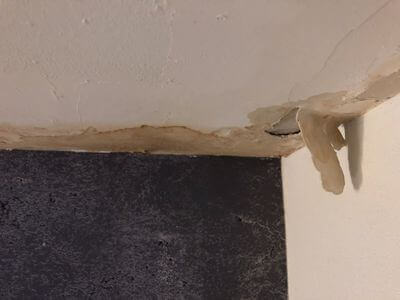
Many remediation projects begin after water damage that seemed minor at the time. A small roof leak, plumbing issue, or AC malfunction may appear resolved, but moisture remains trapped inside materials.
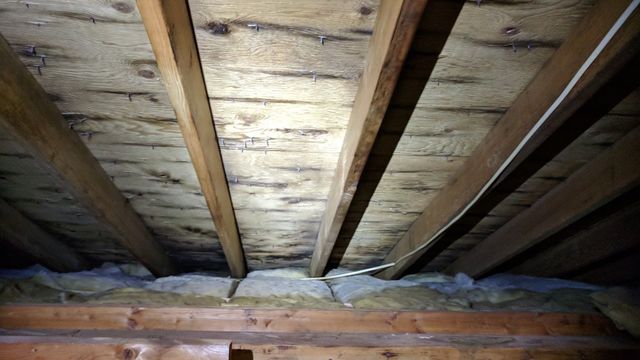
Bathrooms are another frequent trigger. Steam, poor ventilation, and cracked grout allow moisture to build up behind tile and ceilings. Attics often require remediation due to roof leaks, bathroom fans venting into attic spaces, or poor ventilation.
HVAC systems are also a common source. Mold growth inside air handlers or ductwork can affect the entire home, not just one room.
In Cocoa Beach, remediation projects often involve multiple areas because moisture moves easily through homes in this climate.
Why Surface Cleaning Isn’t Mold Remediation
Many homeowners try to clean mold themselves before realizing remediation is needed. Bleach, sprays, and scrubbing may remove visible staining, but they do not remove mold growing inside porous materials.
Drywall, wood, insulation, and backing behind tile absorb moisture. Mold grows into these materials where household cleaners cannot reach. Without addressing moisture and hidden growth, mold almost always returns.
DIY cleaning can also spread mold spores. Scrubbing without containment releases spores into the air, allowing them to settle elsewhere — especially through HVAC systems.
In coastal Florida homes, surface cleaning often makes mold problems worse, not better.
How Proper Mold Remediation Is Performed
Professional mold remediation follows a controlled, step-by-step approach.
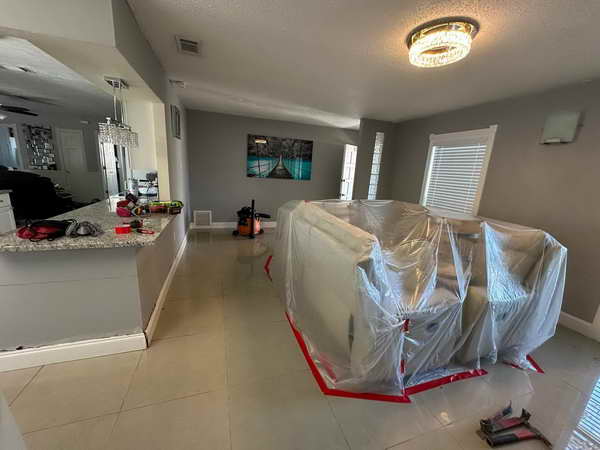
The first step is containment. Barriers and negative air pressure are used to prevent mold spores from spreading into unaffected areas during removal.
Next comes evaluation of materials. Some surfaces can be cleaned and treated, while others must be removed if mold penetration is deep. Drywall, insulation, or flooring may need replacement depending on severity.
Cleaning methods are chosen based on material type and extent of growth. This is not the same as household cleaning and is designed specifically for mold.
Just as important is correcting moisture sources. Roof repairs, plumbing fixes, HVAC adjustments, ventilation improvements, or humidity control are part of proper remediation.
Brevard Mold Inspections & Removal approaches remediation with a prevention-focused mindset so the problem does not repeat.
The Role of Moisture Control in Remediation
Mold cannot exist without moisture. If moisture conditions remain unchanged, remediation will fail.
In Cocoa Beach homes, moisture sources often include:
• Roof and flashing leaks
• AC drain line and condensation issues
• Poor attic ventilation
• Bathroom exhaust fans venting into attics
• High indoor humidity from coastal air
Effective remediation always includes identifying and correcting these issues. Removing mold without fixing moisture is only a temporary solution.
Hidden Mold Is Common in Coastal Homes
One of the biggest challenges in Cocoa Beach is hidden mold. Mold frequently grows behind drywall, above ceilings, under flooring, and inside HVAC systems.
Homeowners may only see a small patch on a wall, while the majority of growth is hidden. This is why inspections often reveal more extensive conditions than expected.
Remediation plans must account for what cannot be seen, not just what is visible.
Mold Remediation vs. Mold Inspection
A mold inspection and mold remediation serve different purposes.
An inspection identifies where mold is present, how extensive it is, and what moisture conditions exist. It provides information and clarity.
Remediation is the corrective action taken once those conditions are understood.
Skipping inspection often leads to incomplete remediation, missed moisture sources, and mold returning later. In Cocoa Beach homes, inspections are especially important due to hidden moisture paths.
How Long Mold Remediation Takes
The timeline depends on how extensive the mold problem is and how much moisture damage is involved.
Small, localized remediation may be completed relatively quickly. Larger projects involving walls, attics, or HVAC systems take longer, especially when drying time is required.
Drying is a critical step. Even after mold is removed, materials must reach safe moisture levels before repairs are completed. Rushing this process increases the risk of recurrence.
What Homeowners Notice After Proper Remediation
After proper remediation, many homeowners notice that musty odors are gone and indoor comfort improves. The home feels drier and more stable.
It’s normal for reconstruction work to follow remediation, such as replacing drywall or insulation. This is part of restoring the home, not a sign remediation failed.
Preventive steps become important after remediation to maintain results.
Preventing Mold After Remediation
Prevention in Cocoa Beach starts with moisture awareness. Bathroom and kitchen exhaust fans should be used consistently and vented outdoors.
HVAC systems should be maintained regularly to prevent condensation problems. Drain lines and pans should be kept clear, and ductwork properly insulated.
Roofs and exterior penetrations should be inspected regularly, especially after storms. Indoor humidity should be monitored, particularly during humid seasons.
In coastal Florida, prevention is an ongoing process, not a one-time fix.
Why Local Experience in Brevard County Matters
Mold remediation in Cocoa Beach is shaped by coastal humidity, salt air, storms, slab foundations, and local building practices. What works in drier regions often fails here.
Local experience means understanding how moisture moves through Cocoa Beach homes and where mold is most likely to develop. It also means knowing which remediation methods hold up long-term in this climate.
Professionals familiar with Brevard County conditions can address mold in a way that lasts, not just looks good temporarily.
A Calm, Practical Next Step
If you’re facing mold in your Cocoa Beach home, the most important step is understanding the full scope of the issue and the moisture behind it. Mold remediation should never be rushed or treated as a simple cleaning job.
A professional inspection provides clarity and helps ensure remediation is done correctly the first time. Homeowners across Brevard County benefit from early assessment and moisture-focused solutions.
Brevard Mold Inspections & Removal helps homeowners understand mold conditions, plan proper remediation, and protect their homes from repeat problems.
Handled correctly, mold remediation restores not just surfaces, but the long-term stability and comfort of your home.