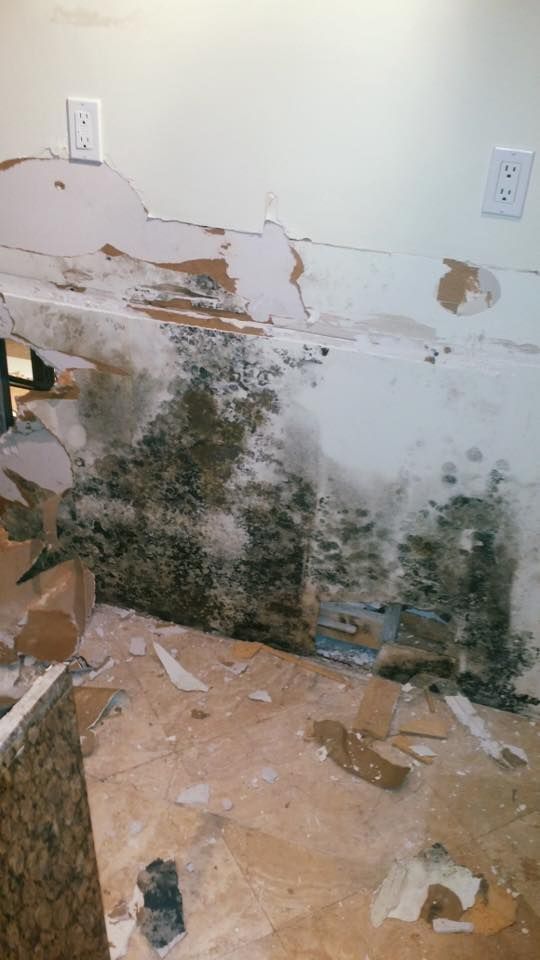
Mold Remediation in Cocoa Beach: What Homeowners in Brevard County Should Know
Mold remediation is a common need for homeowners in Cocoa Beach and throughout Brevard County. Coastal humidity, salt air, frequent storms, and constant air-conditioning use create conditions where moisture problems are hard to avoid. When moisture lingers, mold often follows — sometimes quietly, sometimes visibly, but almost always persistently if not handled correctly.
Many homeowners assume mold remediation simply means cleaning mold away. In reality, proper remediation is about understanding why mold is growing, removing it safely, and correcting the conditions that allow it to return.
What Mold Remediation Really Means
Mold remediation is a comprehensive process designed to address mold growth and the moisture problem behind it. It goes beyond surface cleaning and focuses on restoring the home to a safe, stable condition.
In Cocoa Beach homes, mold often grows inside porous materials such as drywall, wood framing, insulation, and flooring. Once mold penetrates these materials, wiping or spraying the surface isn’t enough. Effective remediation may require removal of affected materials, controlled cleaning, and long-term moisture management.
The goal of remediation isn’t to eliminate every mold spore — that’s impossible — but to reduce mold growth to normal indoor levels and prevent regrowth.
Why Mold Remediation Is Common in Cocoa Beach
Cocoa Beach’s coastal environment makes mold remediation especially common. Salt air holds moisture and keeps humidity levels elevated, even indoors. Warm temperatures and frequent rain limit natural drying, while constant AC use creates condensation.
Many homes in Cocoa Beach are exposed to:
- Wind-driven rain during storms
- Roof and window leaks from coastal weather
- Elevated indoor humidity year-round
- Slab foundations that trap moisture under flooring
Hurricanes and tropical storms add another layer of risk. Even when flooding doesn’t occur, moisture intrusion and power outages can leave homes damp long enough for mold to begin growing.
Signs Mold Remediation May Be Needed
Some homeowners discover mold easily, while others notice indirect signs first.
Common indicators include:
- Persistent musty or earthy odors
- Visible mold that returns after cleaning
- Bubbling or peeling paint
- Stains on walls or ceilings
- Warped flooring or baseboards
- Ongoing humidity or dampness indoors
These signs don’t always mean widespread mold, but they do suggest moisture conditions that shouldn’t be ignored.
Hidden Mold Problems in Cocoa Beach Homes
One of the biggest challenges with mold is that it often grows out of sight. Even clean, well-maintained homes can have hidden mold problems.
Common hidden areas include:
- Behind drywall near roof or plumbing leaks
- Under tile, laminate, or carpet flooring
- Inside cabinets and vanities
- Attics with storm intrusion or poor ventilation
- HVAC systems and ductwork
In Cocoa Beach and nearby Satellite Beach, mold is frequently discovered weeks or months after the original moisture event, long after visible water damage is gone.
Why DIY Mold Cleanup Usually Fails
Many homeowners try to handle mold with bleach or store-bought sprays. While these products may remove surface staining, they don’t address mold growth inside porous materials or the moisture feeding it.
Bleach doesn’t penetrate drywall, wood, or insulation. Scrubbing visible mold without containment can spread spores to other parts of the home. Without correcting humidity, leaks, or ventilation problems, mold almost always returns.
Ignoring mold entirely allows it to continue damaging materials and spreading, often increasing the scope of remediation later.
How Professional Mold Inspection Guides Remediation
Before remediation begins, a professional mold inspection helps determine where mold is growing and why.
A proper inspection may include:
- Visual evaluation of affected and surrounding areas
- Moisture readings inside walls, ceilings, and floors
- Thermal imaging to locate hidden moisture
- Inspection of attics, crawl spaces, and HVAC systems
- Air or surface sampling when appropriate
This information ensures remediation is targeted and appropriate — not excessive or incomplete.
Homeowners across Brevard County often work with Brevard Mold Inspections & Removal to identify mold conditions accurately before remediation begins.
What Proper Mold Remediation Involves
Effective mold remediation always starts with moisture control. Without fixing the source of moisture, mold will return.
A proper remediation process typically includes:
- Containing affected areas to prevent spread
- Removing mold-damaged materials when necessary
- Cleaning and treating remaining surfaces safely
- Thorough drying of the structure
- Addressing leaks, ventilation, or humidity issues
In Florida homes, remediation must account for ongoing humidity and coastal exposure. One-size-fits-all approaches rarely work long-term.
Mold Remediation vs. Mold Removal
The terms “mold removal” and “mold remediation” are often used interchangeably, but they’re not exactly the same.
Mold removal focuses on eliminating existing mold growth. Mold remediation includes removal and correcting the conditions that allowed mold to grow in the first place. In Cocoa Beach homes, remediation is usually the more effective long-term approach.
Preventing Mold After Remediation
Once mold remediation is complete, prevention becomes the priority.
Helpful prevention steps include:
- Maintaining AC systems and condensate drain lines
- Running exhaust fans during and after showers
- Monitoring indoor humidity levels
- Fixing leaks promptly
- Inspecting attics and ceilings after storms
- Scheduling inspections after hurricanes or water damage
Consistent moisture management is essential in Brevard County’s coastal climate.
Why Local Brevard County Experience Matters
Mold remediation in Florida is different than in other regions. Cocoa Beach homes face salt air, high humidity, and storm exposure that require local understanding.
Coastal homes behave differently than inland homes in Palm Bay or Viera. Older beachside construction differs from newer developments. Local experience helps ensure remediation strategies are practical, effective, and built for Brevard County conditions.
A Calm, Practical Next Step
If you’re dealing with recurring mold, past water damage, or persistent odors in your Cocoa Beach home, professional mold remediation may be the right next step. The goal isn’t fear — it’s clarity and long-term protection.
Brevard Mold Inspections & Removal works with homeowners throughout Cocoa Beach and Brevard County to provide inspections, mold remediation, and guidance focused on safe, effective solutions and lasting results.