
Mold Remediation in Viera: What Homeowners in Brevard County Should Know
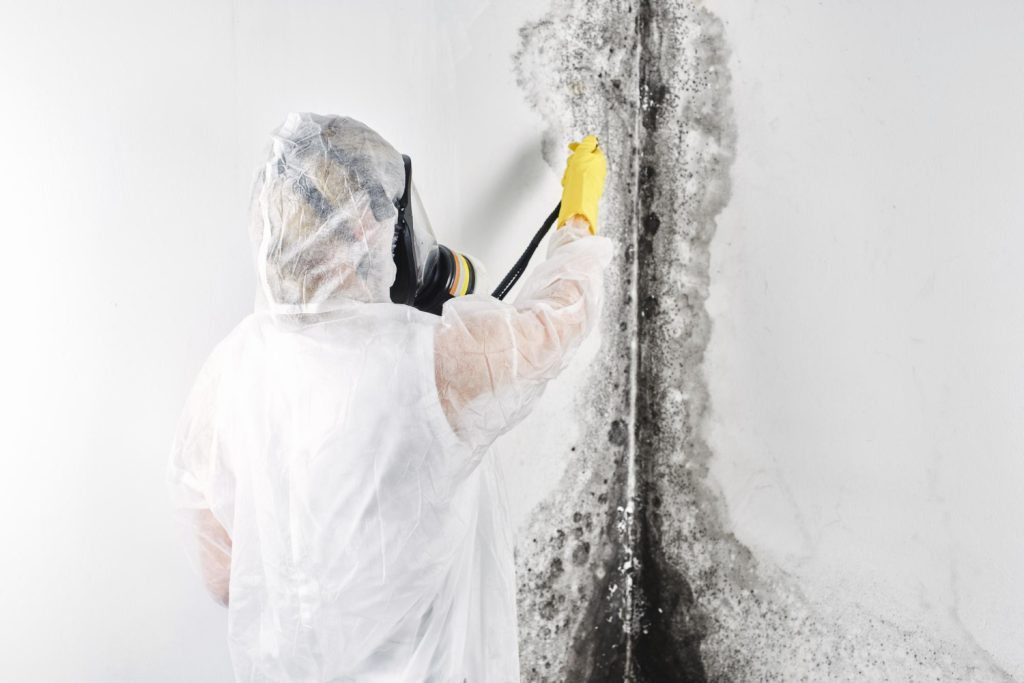
Viera is one of Brevard County’s fastest-growing communities, known for newer neighborhoods, family homes, and well-maintained properties. But even in modern homes, mold problems still occur—and often more quietly than homeowners expect.
Many residents assume mold only appears after major flooding or obvious water damage. In reality, most mold problems we see in Viera homes develop slowly from humidity, condensation, or minor moisture issues that go unnoticed for months.
Whether you live in Viera, Melbourne, Palm Bay, Rockledge, Cocoa, Merritt Island, or anywhere else in Brevard County, understanding how mold remediation works helps homeowners protect their property before damage spreads.
Let’s walk through what mold remediation involves, why mold problems happen locally, and what homeowners should know before issues become costly.
Understanding the Mold Problem in Homes
Mold is naturally present outdoors in Florida, but when spores enter a home and find moisture, they begin to grow on surfaces like drywall, wood, insulation, carpet, or furniture.
Many homeowners are surprised to learn mold does not require flooding to develop. Common triggers include:
- AC condensation
- High indoor humidity
- Minor roof or plumbing leaks
- Poor ventilation
- Moisture trapped in walls or flooring
In Viera homes especially, tight modern construction sometimes traps indoor humidity, allowing mold to grow in hidden spaces.
Remediation becomes necessary when mold growth spreads or affects indoor air quality or building materials.
Why Mold Issues Occur So Often in Brevard County
Florida’s climate plays a huge role in mold growth.
Persistent Humidity
Brevard County experiences high humidity most of the year. Indoor moisture levels frequently exceed safe limits, especially during summer.
Heavy Rainfall and Storm Activity
Cities like Cocoa Beach, Satellite Beach, and Cape Canaveral often experience strong storms that lead to roof leaks or moisture intrusion.
Hurricane and Tropical Storm Impacts
Even homes without visible flooding can experience hidden moisture after storms, particularly in attics or wall cavities.
Air Conditioning Challenges
AC systems run nearly nonstop in Florida. Improper sizing or maintenance can cause condensation inside ducts or around vents.
Slab Foundation Moisture
Many Viera and Rockledge homes are built on slabs, which can allow moisture migration under flooring materials.
Attic Heat and Moisture
Improper attic ventilation traps humid air, causing condensation that feeds mold growth above ceilings.
These conditions create the perfect environment for mold if moisture isn’t controlled.
Signs Homeowners Often Notice
Mold problems usually develop slowly, so early signs are easy to miss.
Musty Odors
Many homeowners first notice a damp smell in bedrooms, closets, or hallways.
Visible Staining or Spots
Dark spotting may appear:
- On ceilings
- Near AC vents
- In bathrooms
- Around windows
- On baseboards
Allergy-Like Irritation Indoors
Some residents report discomfort indoors, which improves outside the home.
Paint or Drywall Changes
Bubbling paint or staining often signals moisture behind walls.
Warping or Soft Flooring
Moisture trapped under flooring materials can cause subtle changes.
These signs usually indicate moisture issues that need investigation.
Hidden Causes Homeowners Overlook
Mold frequently grows where it cannot be easily seen.
Behind Walls
Small plumbing or roof leaks can feed mold without visible damage.
Under Flooring
Moisture beneath tile or laminate flooring can remain hidden.
Attics
Roof leaks or condensation often lead to attic mold growth.
Crawl Spaces
Moisture buildup below homes supports mold growth and poor air quality.
HVAC Systems
Dirty or damp air handlers can distribute spores throughout homes.
Past Water Damage
Previous leaks sometimes leave moisture trapped behind surfaces.
In Viera inspections, attic mold and HVAC-related moisture problems are particularly common.
Why DIY Mold Removal Often Fails
Many homeowners attempt to clean mold themselves using bleach or store-bought cleaners.
Unfortunately, this often worsens the situation.
Bleach Doesn’t Solve Moisture Problems
Bleach may lighten stains but does not address hidden mold roots.
Spores Spread Easily
Scrubbing contaminated areas can spread mold spores into new areas.
Hidden Growth Remains
Surface cleaning doesn’t address mold inside walls or insulation.
Moisture Source Goes Unfixed
If humidity or leaks continue, mold quickly returns.
Ignoring mold or attempting incomplete removal often leads to larger remediation costs later.
How Professional Mold Inspection & Testing Works
A proper inspection identifies both mold presence and the moisture source.
Typical inspections include:
Visual Examination
Technicians inspect visible mold, staining, and water damage.
Moisture Detection
Specialized meters and infrared cameras locate hidden moisture.
Air and Surface Sampling (When Needed)
Samples help confirm mold presence or identify contamination levels.
Laboratory Analysis
Testing helps guide remediation decisions when needed.
The focus is understanding why mold is growing—not just finding it.
What Proper Mold Remediation Involves
Professional remediation is a structured process focused on safe removal and prevention.
Containment Setup
Affected areas are sealed to prevent spores from spreading.
Moisture Source Correction
Leaks, condensation, or humidity issues must be resolved first.
Removal of Contaminated Materials
Damaged drywall, insulation, or flooring may be safely removed.
Cleaning and Air Filtration
HEPA filtration removes airborne spores during cleanup.
Final Cleaning and Prevention Steps
Areas are cleaned, dried, and steps are taken to reduce future risk.
Companies like Brevard Mold Inspections & Removal emphasize addressing moisture causes so mold doesn’t return.
How Homeowners Can Prevent Mold Problems
While Florida homes will always face humidity challenges, homeowners can reduce mold risk with routine steps.
Control Indoor Humidity
Aim to keep humidity below 60 percent.
Maintain AC Systems
Regular maintenance prevents condensation issues.
Improve Ventilation
Bathrooms and kitchens should vent moisture outdoors.
Check Homes After Storms
Inspect ceilings, walls, and attics after heavy rain.
Monitor Closets and Exterior Walls
Ensure airflow in moisture-prone areas.
Fix Small Leaks Quickly
Small plumbing or roof leaks can create major mold problems if ignored.
Clean Gutters and Drainage Areas
Prevent water from entering foundations or walls.
Regular checks help avoid expensive repairs.
Why Local Brevard County Experience Matters
Homes in Viera and surrounding cities face unique environmental conditions.
Local professionals understand:
- Coastal humidity patterns
- Hurricane-related moisture issues
- Florida slab construction challenges
- Common attic and AC moisture problems
- Local building designs
Professionals familiar with Brevard County homes can quickly identify likely mold sources and recommend effective solutions.
A Calm Next Step for Viera Homeowners
If you notice musty smells, stains, or unexplained humidity issues in your home, it may be wise to schedule an inspection.
Professional evaluation can confirm whether mold is present, locate moisture sources, and provide clear next steps before problems grow worse.
Brevard Mold Inspections & Removal works with homeowners across Viera, Melbourne, Palm Bay, Cocoa, Merritt Island, and nearby communities to help residents better understand and address indoor moisture and mold concerns.
Taking action early often prevents larger repairs later and keeps homes safe, comfortable, and healthy year-round.