
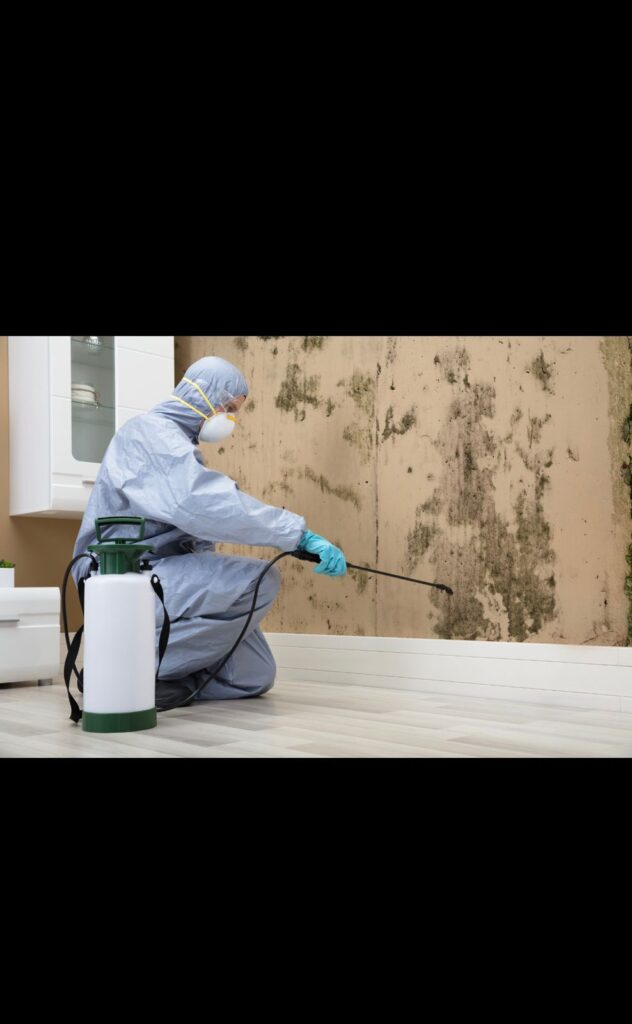
Mold Remediation in West Melbourne: What Homeowners in Brevard County Should Know
If you own a home in West Melbourne, you already understand how quickly Florida’s humidity can take over. One week of steady rain, a slow plumbing leak, or an AC drain line backup — and suddenly you’re dealing with a musty odor that won’t go away.
Mold remediation is something most homeowners never expect to need. But in Brevard County, moisture is part of the environment. When water intrudes or humidity stays high, mold can develop quietly behind walls, in attics, or inside HVAC systems.
The key is not panic. The key is understanding how proper mold remediation works — and what it should look like in a Florida home.
Let’s walk through what West Melbourne homeowners should realistically know.
What Mold Remediation Actually Means
Mold remediation is not just “cleaning mold.”
It involves:
- Identifying the moisture source
- Containing affected areas
- Safely removing contaminated materials
- Cleaning structural surfaces
- Verifying dry conditions
The goal is to return the home to a normal fungal ecology — meaning mold levels are comparable to outdoor Florida conditions.
In West Melbourne and surrounding areas like Palm Bay, Rockledge, Titusville, Merritt Island, Cocoa, Viera, Satellite Beach, Cocoa Beach, and Cape Canaveral, remediation must always focus on moisture correction first.
Without fixing the moisture problem, mold can return.
Why Mold Problems Are Common in West Melbourne
West Melbourne homes face typical Brevard County moisture challenges.
High Humidity
Outdoor humidity often exceeds 70%. If indoor humidity remains above 60% consistently, mold growth becomes possible.
AC System Dependence
Homes rely heavily on air conditioning. When systems short cycle or drain lines clog, condensation builds up.
We frequently see mold growth near air handlers and ductwork.
Storm Season
Heavy rainfall and hurricane activity impact the entire Space Coast. Even small roof vulnerabilities allow repeated moisture intrusion.
Slab Construction
Many West Melbourne homes are built on slab foundations. Plumbing leaks can trap moisture beneath flooring.
In Florida, mold growth is almost always tied directly to moisture that wasn’t fully corrected.
When Mold Remediation Is Necessary
Not every mold issue requires large-scale remediation.
Remediation is typically recommended when:
- Mold growth covers a significant area
- Materials are visibly deteriorating
- There is persistent musty odor
- Indoor air testing shows elevated levels
- Moisture has penetrated porous materials
If mold growth is limited and the source is corrected quickly, minor cleaning may be sufficient.
However, once drywall, insulation, or structural components are involved, professional remediation becomes important.
Common Areas Requiring Remediation in West Melbourne Homes
During inspections across Brevard County, we often find mold requiring remediation in:
Attics
Poor ventilation traps humid air. Roof leaks accelerate growth on sheathing and rafters.
HVAC Systems
Condensation buildup inside air handlers or duct insulation spreads spores through the home.
Behind Drywall
Slow plumbing leaks create hidden growth inside wall cavities.
Under Flooring
Moisture trapped beneath laminate or tile flooring in slab homes can support mold colonies.
Bathrooms
Improper exhaust ventilation allows humidity to linger.
Each home presents unique patterns depending on layout, age, and exposure.
The Mold Remediation Process Step by Step
At Brevard Mold Inspections & Removal, remediation follows a structured, methodical approach.
1. Inspection and Moisture Detection
We begin with a detailed assessment:
- Visual inspection
- Moisture mapping
- Humidity measurement
- Identifying water intrusion pathways
Understanding the moisture source is critical.
2. Containment
If remediation is necessary, affected areas are isolated to prevent cross-contamination.
Containment typically includes:
- Physical barriers
- Negative air pressure
- HEPA filtration
This prevents spores from spreading to unaffected areas.
3. Removal of Contaminated Materials
Porous materials like:
- Drywall
- Insulation
- Carpet padding
… may require removal if heavily affected.
Non-porous or semi-porous surfaces are cleaned using appropriate methods.
4. Cleaning and Air Filtration
HEPA air scrubbers filter airborne particles during remediation.
Structural surfaces are cleaned carefully to remove contamination without damaging framing.
5. Drying and Moisture Verification
Moisture levels are rechecked to confirm that conditions no longer support mold growth.
Without proper drying, remediation is incomplete.
Why DIY Mold Removal Often Falls Short
Homeowners sometimes attempt to handle mold themselves by:
- Spraying bleach
- Painting over stains
- Using household fans
- Removing small visible sections of drywall
While minor surface cleaning can help in very small areas, DIY efforts often miss hidden moisture.
Bleach does not penetrate porous materials effectively. Painting over mold does not eliminate it.
Without identifying the underlying moisture source, mold often returns.
Professional remediation focuses on both removal and prevention.
Preventing Mold After Remediation
Once remediation is complete, long-term prevention becomes the priority.
Homeowners in West Melbourne can reduce recurrence by:
- Maintaining indoor humidity between 45–55%
- Scheduling annual AC maintenance
- Flushing condensate drain lines
- Inspecting attic ventilation
- Addressing roof leaks promptly
- Monitoring for musty odors
In Florida, humidity management is ongoing — not one-time.
Consistent maintenance prevents repeat issues.
Why Local Experience in Brevard County Matters
Mold remediation in West Melbourne is different from remediation in dry climates.
Florida homes face:
- Coastal humidity
- Salt exposure
- Hurricane-driven rain
- Slab foundations
- High attic heat loads
Homes in Palm Bay may experience different airflow patterns than those near Merritt Island.
Local knowledge helps identify moisture pathways specific to Brevard County construction styles.
Brevard Mold Inspections & Removal has worked throughout West Melbourne and surrounding cities. Understanding how Florida homes respond to humidity allows for more accurate remediation planning.
A Calm, Practical Next Step
If you’ve discovered mold in your West Melbourne home, the next step is not alarm — it’s evaluation.
Most mold issues in Brevard County are manageable when addressed properly.
A professional inspection determines:
- The extent of growth
- The moisture source
- Whether remediation is necessary
- The appropriate scope of work
If you’d like experienced, local guidance tailored to West Melbourne’s climate and construction styles, Brevard Mold Inspections & Removal is here to help — calmly, clearly, and without pressure.
Moisture correction is the foundation. Remediation is the solution. Prevention is the long-term goal.