
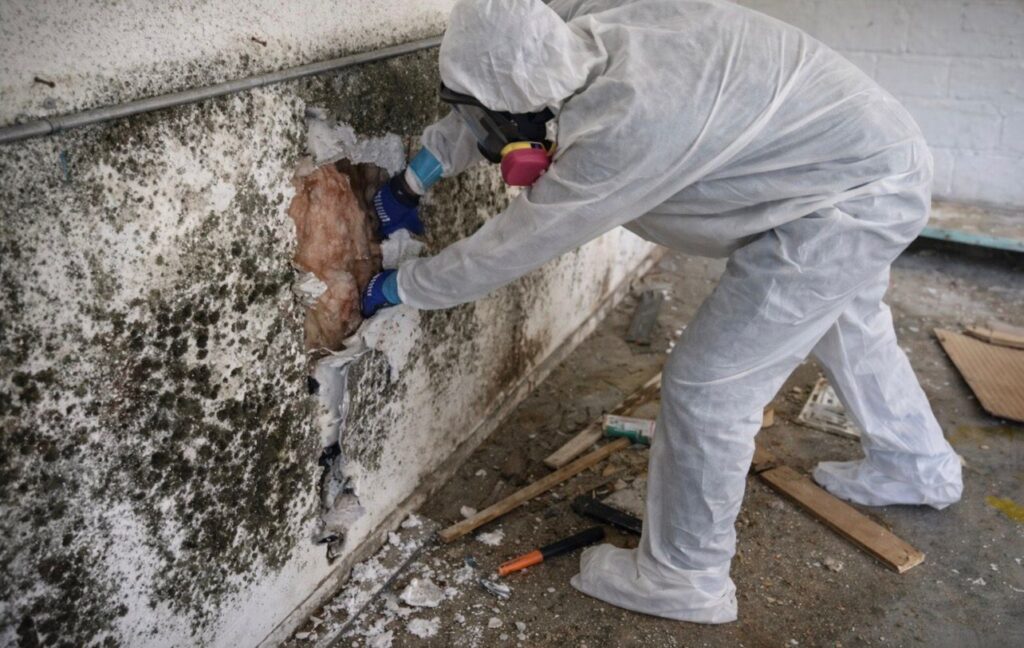
Mold Remediation in West Melbourne: What Homeowners in Brevard County Should Know
Why Mold Is a Big Deal in West Melbourne (and Why You Should Care)
First things first: mold isn’t just a cosmetic nuisance. In West Melbourne and the broader Brevard County area, our hot, humid climate makes mold growth very common — especially after heavy rain, humidity spikes, or flooding. Mold spores are basically everywhere, but they only grow into visible mold when moisture, warmth, and organic material come together. That’s basically Florida in a nutshell. 🌴☀️(Lookmold)
And because mold thrives in moisture:
- It can grow in as little as 48 hours after water damage.(Rapid Mold Removal)
- It hides in attics, crawl spaces, bathrooms, kitchens, HVAC systems, and behind walls.(Lookmold)
- It can spread under the surface before you even see it.(The Space Coast Rocket)
So yeah — it’s more than ugly spots on a wall. It’s something that can affect your health, the structure of your house, and your wallet if left unaddressed.
Mold & Your Health: What You Should Know
What makes homeowners panic — and rightfully so — is what mold might do to your body.
Mold exposure isn’t just sneezing or dust. According to local health experts, mold can cause:
- Allergic reactions (sneezing, runny nose, itchy eyes)
- Asthma attacks or worsened respiratory issues
- Headaches, fatigue, mood changes
- More serious issues for kids, seniors, or immune-compromised people(FL Health Newsroom)
The scary part? Some molds can produce mycotoxins — molecular toxins that can have more serious impacts in large enough exposures.(Rapid Mold Removal)
So if mold shows up in your living space, it’s not worth brushing off.
Mold Inspection: Spotting the Problem Early
A true mold inspection does more than look — it measures moisture, uses moisture meters, thermal imaging, and looks for hidden problems.(The Space Coast Rocket)
Here are common signs you might already have a mold issue in your West Melbourne home:
✅ Musty or “wet dirt” smell indoors
✅ Discoloration or staining on walls, ceilings, floors
✅ Peeling paint or warped wood
✅ Allergy-like symptoms that improve when you’re away from home
✅ Recent water event (plumbing leaks, roof leaks, storms)(The Space Coast Rocket)
And no — just because you don’t see mold doesn’t mean it’s not there. Hidden mold is a real thing, especially around plumbing lines and HVAC systems.
DIY Mold Cleanup: When It Might Be Okay (and When It’s Not)
You might be wondering: Can I tackle this myself?
The short answer: small, superficial mold patches on non-porous surfaces can sometimes be handled with good technique. But there are big caveats.
👉 The Florida Department of Health says that small areas can be cleaned with detergent/soap and water, and should be thoroughly dried afterward — and only if you’re not sensitive to mold.(Florida Department of Health)
❌ What you shouldn’t do:
- Use bleach on porous materials — it might remove the color, but not the root mold.(Pure Maintenance)
- Ignore underlying moisture problems — mold always comes back if water issues aren’t fixed.(PuroClean)
- Assume all mold is harmless — visible mold and hidden mold can both be serious.(Florida Department of Health)
DIY is only an option when:
- The mildew covers a very small area
- You have proper personal protective equipment
- You’re confident the source of moisture is already fixed or very minor
Otherwise, you’re putting your health and home at risk.
Professional Mold Remediation: What It Is and Why It Matters
When mold growth goes beyond a tiny patch — or when the cause is more than just surface condensation — you need professionals.
Professional remediation is more than just scrubbing:
🔹 Containment — isolating the affected area so spores don’t fly everywhere.(servpro.com)
🔹 Air filtration — using HEPA vacuums and scrubbers to capture spores.(servpro.com)
🔹 Removal of mold-infested materials (drywall, insulation, carpet).(servpro.com)
🔹 Moisture source correction — so mold doesn’t come back.(PuroClean)
🔹 Restoration & rebuilding (if needed).(servpro.com)
Professionals also avoid common pitfalls like:
- Agitating mold and spreading spores
- Leaving behind root moisture problems
- Using methods that mask mold without removing it(Pure Maintenance)
⚠️ The EPA actually recommends professional help when mold covers more than 10 square feet — that’s just a 3×3 patch.(PuroClean)
So if the mold in your West Melbourne or Brevard County home looks extensive or recurring, it’s usually cheaper — and healthier — to call a pro rather than keep doing DIY attempts that fail.
What to Expect During Professional Remediation
If you hire a licensed remediation company, here’s what typically happens:
1. Detailed Inspection & Testing
Professionals locate all mold — visible and hidden — and measure moisture.
2. Containment
They build barriers and use negative air pressure to keep spores from spreading.(servpro.com)
3. Removal & Cleaning
Affected materials are cleaned or removed, porous items may be discarded.(servpro.com)
4. Drying & Preventing Recurrence
Moisture problems are fixed — leaks, poor ventilation, condensation sources.(PuroClean)
5. Post-Remediation Verification
Clearance testing can confirm that indoor mold levels are now back to normal.(Maus Law Firm)
Costs, Insurance, and Finding a Good Contractor
🔹 Costs vary widely depending on size and location of mold damage. Some homeowners in Florida have shared remediation quotes ranging from a few thousand to over $10,000 — especially when HVAC systems or structural elements are involved.(Reddit)
Tip:
📌 Get multiple quotes before choosing a contractor.
📌 Check credentials, certifications, and reviews.
💡 If you have homeowners insurance, check your policy — some cover mold remediation if it’s tied to a covered water event (like a sudden pipe break), but not if it’s just humidity buildup.
Prevention: How to Keep Mold from Coming Back
Since mold thrives on moisture, the best long-term strategy is moisture control.
Keep indoor humidity under control
Using dehumidifiers and good AC helps keep humidity below ideal mold growth levels.(Florida Department of Health)
Fix water leaks immediately
Whether it’s a roof leak, pipe leak, or AC drain issue — the longer water sits, the more mold grows.(Florida Department of Health)
Ensure good ventilation
Bathrooms, kitchens, laundry rooms — extract moisture outside, not into attics or air ducts.(Florida Department of Health)
Watch for condensation zones
Windows, cold surfaces, ductwork — they’re all potential mold hotspots.