
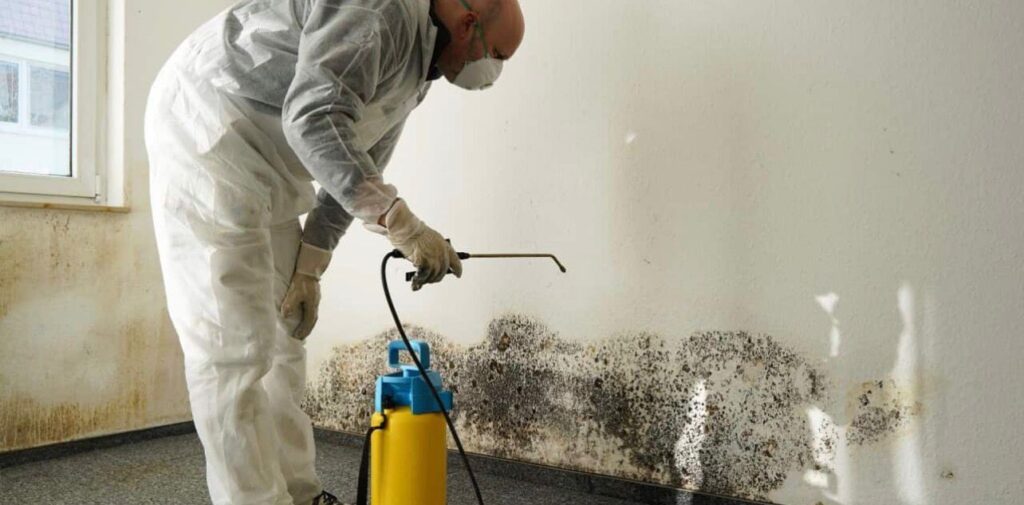
Mold Remediation in West Melbourne: What Homeowners in Brevard County Should Know
If you live in West Melbourne, you already understand one thing: moisture is part of daily life in Brevard County. Between long humid summers, afternoon thunderstorms, hurricane season, and year-round air conditioning use, homes here face constant exposure to conditions that allow mold to grow.
Mold remediation is not just about cleaning visible spots on drywall. It’s about identifying why the mold developed, stopping the moisture source, and safely restoring the affected areas so the issue doesn’t return.
Homeowners in West Melbourne, Palm Bay, Melbourne, and surrounding areas like Rockledge and Viera often ask the same question: “How serious is this, and what should I actually do?”
Let’s walk through what mold remediation really involves — and what you should know as a Brevard County homeowner.
Why Mold Is So Common in West Melbourne Homes
West Melbourne sits inland but still feels the full impact of Florida’s humidity and storm patterns. Even without direct coastal exposure like Cocoa Beach or Satellite Beach, homes here experience:
- High indoor humidity during summer months
- AC condensation issues
- Heavy rainfall and rapid downpours
- Occasional hurricane-related roof damage
- Slab foundation moisture intrusion
Many homes in West Melbourne were built during development expansions in the 1990s and early 2000s. While structurally sound, some of these properties may have:
- Inadequate attic ventilation
- Aging roofing materials
- Improperly sloped drainage
- HVAC systems that are overdue for servicing
Mold typically develops when moisture lingers for 24–48 hours or longer. And in Brevard County, that happens more often than people realize.
What Mold Remediation Actually Means
There’s often confusion between mold removal and mold remediation.
Mold removal implies completely eliminating mold from a structure. That’s not realistic — mold spores exist naturally in the air.
Mold remediation means:
- Reducing mold levels to normal
- Removing contaminated materials when necessary
- Addressing the moisture source
- Restoring the area safely
The goal is stabilization and prevention, not cosmetic cleaning.
Common Mold Scenarios in West Melbourne
Based on inspections across Brevard County, here are situations that frequently lead to remediation:
1. Roof Leaks After Storms
Heavy rains during hurricane season can allow water intrusion through small roof vulnerabilities. Homeowners may not notice until stains appear on ceilings weeks later.
Attics in West Melbourne often show early mold growth on roof decking due to trapped heat and poor ventilation.
2. AC Condensation Problems
Air conditioning systems run almost year-round here. If condensate lines clog or drain pans overflow, moisture can accumulate behind walls or near air handlers.
We frequently see mold growth in mechanical closets in homes throughout Palm Bay and West Melbourne due to this issue.
3. Plumbing Leaks
A slow drip under a sink can soak cabinets and drywall over time. By the time the cabinet smells musty, mold has usually already developed behind it.
4. Bathroom Humidity
Improperly vented bathrooms allow steam to accumulate inside walls and ceilings. Over time, this creates hidden microbial growth.
5. Slab Foundation Moisture
Florida slab homes can experience moisture vapor transmission from the ground. Flooring materials may trap this moisture, leading to growth beneath tile or laminate.
Signs You May Need Mold Remediation
Homeowners often notice subtle changes before visible mold appears.
Common warning signs include:
- Persistent musty odor
- Dark staining on ceilings or walls
- Bubbling paint
- Warped baseboards
- Increased indoor humidity
- Recurrent surface mold that keeps coming back
In some cases, people report irritation that improves when they leave the house. While not making medical claims, this is often what prompts a professional inspection.
The important thing is not to ignore these signs.
Why DIY Cleaning Isn’t Enough
It’s understandable to try wiping down affected areas with household cleaners. However, this approach rarely solves the root problem.
Bleach does not penetrate porous materials like drywall or wood framing. It may remove surface staining but leave underlying growth intact.
Common DIY mistakes include:
- Painting over mold
- Removing drywall without containment
- Running fans without dehumidification
- Ignoring the moisture source
Disturbing mold improperly can spread spores to other areas of the home.
In Florida’s humidity, that can escalate quickly.
How Professional Mold Remediation Works
When a mold issue is confirmed, remediation follows a structured, controlled process.
1. Inspection and Moisture Assessment
A thorough evaluation identifies:
- Extent of growth
- Moisture source
- Affected materials
Moisture meters and thermal imaging help locate hidden damp areas behind walls or ceilings.
2. Containment Setup
Plastic sheeting and negative air machines prevent spores from spreading during removal.
This step is critical in occupied homes.
3. Removal of Contaminated Materials
Porous materials like drywall, insulation, or carpet padding may need removal if heavily affected.
Non-porous surfaces are cleaned using professional-grade methods.
4. Drying and Dehumidification
Industrial dehumidifiers ensure materials are completely dry before rebuilding.
5. Clearance Testing (If Needed)
Post-remediation testing may confirm that mold levels are back to normal indoor ranges.
At Brevard Mold Inspections & Removal, remediation projects in West Melbourne are approached with a focus on safety, containment, and long-term prevention — not just surface cleaning.
The Importance of Fixing the Moisture Source
Remediation without moisture correction is temporary.
Common moisture corrections in Brevard County include:
- Roof repairs
- AC condensate line clearing
- Installing vapor barriers
- Improving attic ventilation
- Sealing exterior penetrations
- Adjusting drainage around foundations
Homes in areas like Viera or Rockledge may require different solutions than those closer to coastal communities like Cape Canaveral or Cocoa Beach.
Local building styles matter.
Preventing Mold After Remediation
Once remediation is complete, prevention becomes the priority.
Here are Florida-specific prevention tips:
Maintain Indoor Humidity Between 45–55%
Use a hygrometer to monitor levels.
Service HVAC Systems Annually
Clogged drain lines are a common issue in West Melbourne homes.
Inspect Attics Twice Per Year
Look for roof stains or dark spotting.
Use Exhaust Fans Properly
Run bathroom fans during and after showers.
Act Quickly After Water Intrusion
Dry affected areas within 24–48 hours.
Consider Whole-Home Dehumidification
This can be especially helpful during peak summer humidity.
Why Local Experience in Brevard County Makes a Difference
Mold remediation in Arizona looks very different from mold remediation in Florida.
Brevard County presents unique challenges:
- Coastal humidity
- Storm-driven rain intrusion
- High attic temperatures
- Year-round AC use
- Slab foundation construction
Understanding how these factors interact with local building methods is essential.
West Melbourne homes may not face the exact same moisture pressures as Cocoa Beach waterfront properties, but they still experience the same humidity patterns.
Local expertise allows for faster diagnosis and more accurate solutions.
A Calm, Practical Next Step
If you suspect mold in your West Melbourne home, start with clarity — not panic.
A professional inspection can determine:
- Whether mold is present
- How extensive it is
- What caused it
- What remediation approach is appropriate
Mold problems are manageable when handled properly and early.
Brevard Mold Inspections & Removal works with homeowners throughout West Melbourne, Melbourne, Palm Bay, Merritt Island, Titusville, and surrounding communities to provide practical, straightforward guidance and remediation when needed.
If something doesn’t smell right or look right, having it evaluated can provide peace of mind — and protect your home for the long term.