

Mold Removal in Cape Canaveral: What Homeowners in Brevard County Should Know
Living in Cape Canaveral means enjoying coastal views and ocean breezes, but it also means dealing with constant humidity, storms, and moisture exposure. Over time, these conditions make mold problems one of the most common concerns for homeowners throughout the area.
Many residents first discover mold after storms, plumbing leaks, or persistent humidity problems. Others notice musty odors or dark stains appearing on walls or ceilings. Regardless of how it starts, mold removal becomes necessary when contamination spreads beyond small surface areas.
Understanding how mold removal works helps homeowners make informed decisions and prevents mold from returning after cleanup.
Across Cape Canaveral and neighboring communities like Cocoa Beach, Satellite Beach, Melbourne, Palm Bay, Merritt Island, Rockledge, Titusville, and Viera, professional inspections frequently uncover mold problems caused by hidden moisture. Knowing what to expect during mold removal can help homeowners protect both property and indoor comfort.
How Mold Develops Inside Florida Homes
Mold spores exist naturally outdoors across Florida. Problems arise when spores grow indoors where moisture remains trapped.
In Cape Canaveral homes, mold commonly develops after:
• Roof leaks caused by storms or hurricanes
• Plumbing leaks inside walls or under sinks
• Appliance failures such as water heaters or washing machines
• AC condensation problems
• Flooding or heavy rain intrusion
• Poor ventilation in kitchens or bathrooms
Once materials like drywall, wood, or insulation remain damp, mold can begin growing within a day or two.
Often surfaces appear dry while moisture remains hidden, allowing mold to spread unnoticed.
Why Mold Removal Is Common in Brevard County
Homes throughout Brevard County face environmental conditions that make mold growth more likely.
Coastal Humidity
Ocean air keeps humidity levels high year-round, making homes slower to dry after moisture intrusion.
Hurricanes and Heavy Rain
Storm systems frequently allow wind-driven rain to enter homes through small openings.
Air Conditioning Dependence
AC systems help control humidity, but clogged condensate lines or equipment issues often cause hidden moisture buildup.
Slab Foundation Construction
Many homes sit on slab foundations, allowing moisture to remain trapped beneath flooring materials.
Salt Air Exposure
Salt air gradually affects exterior materials, sometimes allowing moisture penetration over time.
Even well-maintained homes can develop mold when moisture problems are not corrected promptly.
Signs Mold Removal May Be Needed
Mold problems often begin subtly before becoming obvious.
Common warning signs include:
• Persistent musty odors
• Dark stains on walls or ceilings
• Peeling paint or bubbling drywall
• Warped flooring or baseboards
• Damp closets or storage rooms
• Mold spots repeatedly returning after cleaning
• Rooms feeling humid or stale
Visible mold often represents only part of the contamination, as hidden growth frequently exists behind surfaces.
Hidden Mold Problems Are Often Worse Than Visible Mold
Visible mold frequently signals a larger hidden issue.
Behind Walls
Leaks allow water to soak insulation and framing inside wall cavities.
Under Flooring
Flooding or appliance leaks often leave moisture trapped beneath flooring materials.
Attics
Roof leaks or ventilation problems allow mold growth above ceilings.
HVAC Systems
Moisture inside air handlers or ducts may spread mold spores throughout the home.
Kitchens and Bathrooms
Leaks beneath cabinets or behind appliances often go unnoticed.
Professional inspections often reveal mold contamination extending beyond visible areas.
Why DIY Mold Removal Often Fails
Many homeowners attempt to remove mold themselves, but improper cleanup often allows mold to return.
Common DIY mistakes include:
• Using bleach on porous materials
• Cleaning visible mold without correcting moisture sources
• Painting over mold stains
• Running fans that spread spores
• Removing materials without containment
Bleach may remove surface discoloration but does not eliminate mold embedded inside drywall or wood.
Without correcting moisture issues, mold usually returns.
Improper cleanup can also spread contamination to unaffected areas.
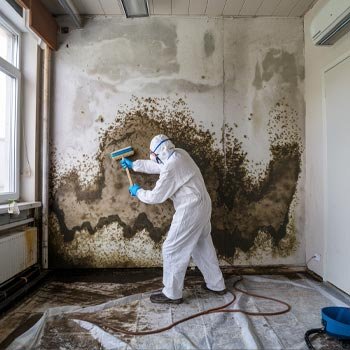
How Professional Mold Removal Works
Professional mold removal focuses on eliminating contamination safely while correcting moisture sources.
A proper remediation process typically includes:
Inspection and Moisture Detection
Professionals identify visible mold and hidden moisture sources.
Containment Setup
Work areas are sealed to prevent spores from spreading during cleanup.
Air Filtration
HEPA filtration equipment removes airborne mold spores.
Removal of Contaminated Materials
Damaged drywall, insulation, or flooring may be removed when necessary.
Cleaning Structural Components
Remaining materials are cleaned and treated safely.
Moisture Correction
Leaks or humidity sources are corrected.
Final Cleaning
Remaining spores and debris are removed before repairs begin.
Companies like Brevard Mold Inspections & Removal perform remediation carefully to protect unaffected parts of the home.
Preventing Mold Problems After Removal
Once mold removal is complete, prevention becomes the priority.
Helpful prevention steps include:
• Maintain AC systems regularly
• Keep condensate drain lines clear
• Inspect roofs after storms
• Repair plumbing leaks immediately
• Use dehumidifiers when humidity rises
• Vent bathrooms and kitchens properly
• Check under sinks and appliances periodically
• Inspect attics annually
• Monitor indoor humidity below 60%
Preventative maintenance greatly reduces the chance of mold returning.
Why Local Experience Matters for Mold Removal
Mold removal in Brevard County requires understanding local climate and construction styles.
Homes in Cape Canaveral, Cocoa Beach, Satellite Beach, Melbourne, Palm Bay, Merritt Island, Rockledge, Titusville, and nearby communities commonly experience:
• Coastal humidity exposure
• Hurricane intrusion risks
• Slab foundation moisture retention
• Attic heat and moisture buildup
• AC condensation challenges
Local professionals understand where mold tends to develop and how moisture moves through Florida homes.
Brevard Mold Inspections & Removal works throughout Brevard County helping homeowners safely address mold while correcting underlying moisture causes.
A Calm Next Step for Cape Canaveral Homeowners
If you suspect mold growth in your home or recently experienced leaks or flooding, professional evaluation can help determine what steps may be needed.
Most mold problems remain manageable when discovered early. Proper remediation restores indoor comfort and helps prevent mold from returning.
Professional guidance helps homeowners understand what is happening inside their homes and what actions, if any, should follow.
Addressing moisture early protects both your home and long-term indoor comfort along the Brevard County coast.