
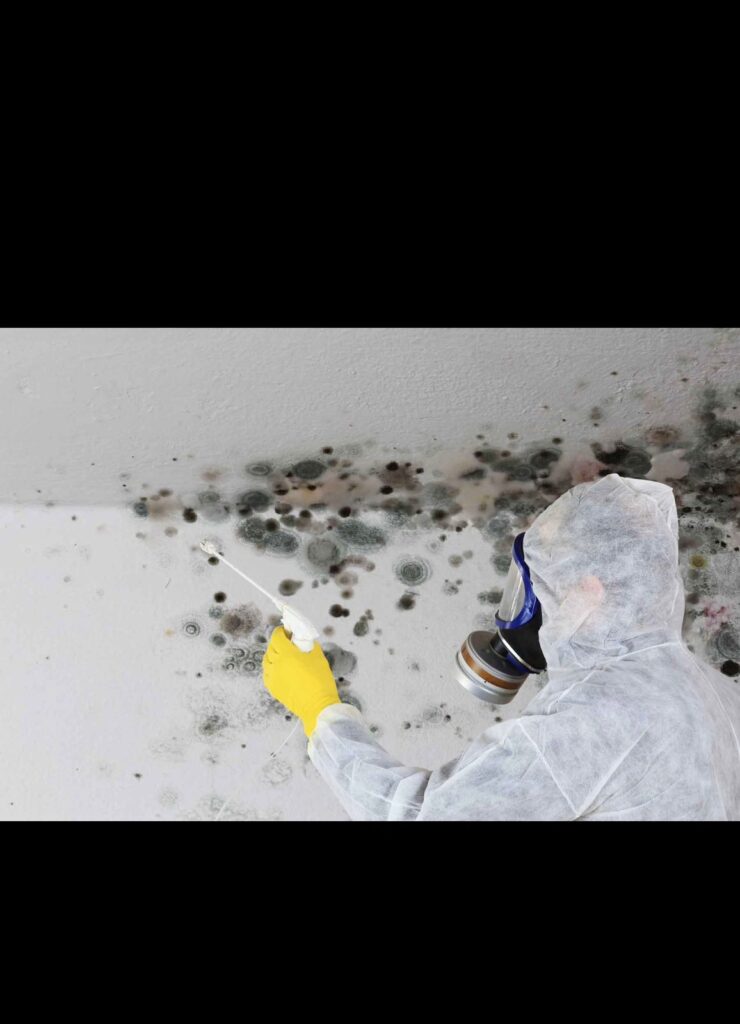
Mold Removal in Cape Canaveral: What Homeowners in Brevard County Should KnowMold in your home isn’t just ugly — it’s a serious issue that can affect your property, your health, and your wallet if left unchecked. In Cape Canaveral and throughout Brevard County, the hot, humid climate makes mold growth especially common. Let’s break down what you, as a homeowner, should know before, during, and after mold removal.⸻🌿 What Causes Mold in Cape Canaveral Homes?Cape Canaveral’s coastal climate is a dream for beach lovers — but mold loves humidity and moisture just as much as we love sunshine.Common causes include: • High humidity levels — Brevard County often sees humidity above 70%, and indoor humidity above 60% provides the perfect breeding ground for mold. • Leaks and water intrusion — Roof leaks, plumbing issues, cracked foundations, and poorly sealed windows let moisture inside. • Poor ventilation — Bathrooms, kitchens, and laundry rooms without exhaust fans trap moisture. • Storm impact — Tropical storms and hurricanes can bring flooding or sustained dampness, especially in crawl spaces and basements.👉 Bottom line: Wherever moisture goes unchecked, mold can grow.⸻🏠 How to Spot Mold Before It Gets WorseMold isn’t always dramatic or easy to see. Here’s how to catch it early:Visible Signs • Black, green, or white patches on walls, ceilings, or floors • Spots behind furniture or appliances • Musty smell — sometimes the first hintSubtle Clues • Paint or wallpaper bubbling • Peeling drywall • Allergy-like symptoms when indoors (sneezing, itchy eyes) • Condensation on windowsTip: Just because you can’t see mold doesn’t mean it isn’t there — it often hides behind walls and under floors where moisture lingers.⸻🧼 Mold vs. Mildew — What’s the Difference?Understanding the difference helps you know whether you’re dealing with a minor issue or a more serious problem:Feature Mildew MoldColor Usually gray or white Black, green, brown, or multicoloredTexture Powdery or flat Fuzzy or slimyLocation Surface only Deep-rooted in porous materialsHealth Risk Lower Higher potential risk👉 If it’s beyond surface staining or you’re unsure — treat it as mold and act promptly.⸻🚨 Why DIY Mold Removal Isn’t Always EnoughYouTube and weekend warriors make mold removal look easy, but in many cases, DIY can make things worse.Risks of DIY mold removal: • Spreading spores into the air without proper containment • Failing to address moisture sources • Using ineffective cleaners that don’t kill mold roots • Exposure to toxic mold, like Stachybotrys chartarumFor small, non-porous areas (like a shower tile seam) you might manage surface cleaning. But for wall cavities, insulation, HVAC systems, or widespread growth, professionals are safer and more effective.⸻🛠️ What Professional Mold Removal Looks LikeA professional mold remediation service usually follows a structured process:1. Inspection & AssessmentTechnicians find all mold, including hidden areas using moisture meters and infrared cameras.2. ContainmentThey isolate affected areas to prevent mold spores from spreading to clean parts of your home.3. Air FiltrationHEPA filtration systems capture airborne spores during remediation.4. Removal & CleaningAffected materials are removed or cleaned with EPA-approved products that actually kill mold at the root, not just mask stains.5. Drying & DehumidificationReducing moisture is key — professionals use industrial dehumidifiers.6. Repairs & PreventionFixing leaks, improving ventilation, and repairing damaged structures helps keep mold from returning.⸻🧾 Mold Testing: Necessary or Not?Not always.If you see mold or smell it strongly, testing often isn’t necessary — remediation should start right away.Testing can be helpful when: • You’ve had water damage but no visible mold • You need documentation for insurance or real estate • You want confirmation of specific mold typesImportant: Even professional mold tests can vary — don’t rely solely on a single “mold air test” without professional interpretation.⸻💸 Cost Considerations for Brevard HomeownersMold removal costs depend on: • Size of the affected area • Type of surfaces involved (drywall vs. concrete) • Source of moisture • Extent of hidden growthSmall bathroom mold cleanup might cost a few hundred dollars, while extensive remediation in walls and HVAC can run several thousand. Getting multiple quotes helps ensure fair pricing.⸻🛡️ Insurance & MoldInsurance coverage for mold varies widely.✔️ Often covered if mold resulted from a sudden, accidental event (like a burst pipe)❌ Usually not covered if due to long-term neglect or humidityAlways: • Document mold with photos • Keep repair and remediation receipts • Talk to your insurance agent early⸻🧠 Prevention Tips That Actually WorkYou can significantly reduce mold risk with these simple steps:✅ Control indoor humidity — aim for 30-50%✅ Use exhaust fans in kitchens and bathrooms✅ Fix leaks right away✅ Keep gutters clean and directed away from the foundation✅ Improve airflow under sinks and inside closets✅ Regularly inspect attics and crawl spaces after stormsBonus: A good quality hygrometer (humidity meter) can alert you before mold takes hold.⸻🏁 Final TakeawayLiving in Cape Canaveral means enjoying beaches, sunshine — and managing humidity. Mold growth is common here, but knowledge is power. Quick action, proper moisture control, and professional help when needed can protect your home and your family.If you’re noticing mold or suspect moisture problems, don’t wait. The sooner you act, the easier and less costly it is to fix.⸻If you’d like, I can also help you draft a local Cape Canaveral mold remediation checklist or a contractor vetting guide to make hiring pros easier. Just ask!