
Mold Removal in Cocoa: What Homeowners in Brevard County Should Know
Mold removal is a common concern for homeowners in Cocoa, especially given the area’s humidity, frequent rain, and year-round air conditioning use. Mold problems here are rarely sudden or dramatic. More often, they develop quietly after moisture has had time to linger—behind walls, under flooring, or inside HVAC systems.
For many Cocoa homeowners, the biggest challenge isn’t just removing mold. It’s understanding why it formed, how far it has spread, and what actually prevents it from coming back. Proper mold removal in Brevard County is about fixing conditions, not just cleaning surfaces.
What Mold Removal Really Means
Mold removal is often misunderstood.
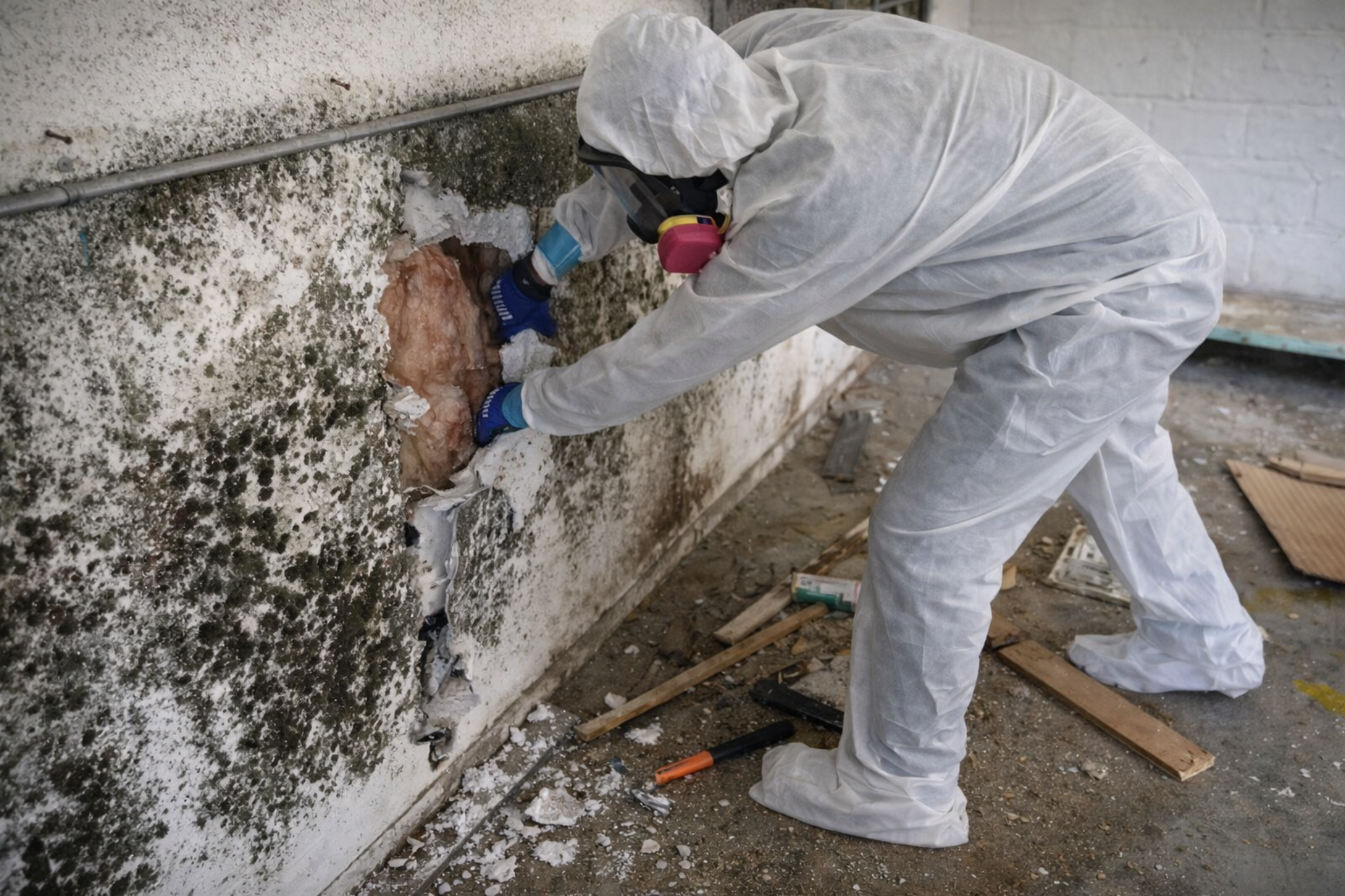
It’s not just spraying cleaner on a stain or wiping down a wall. True mold removal involves identifying affected materials, correcting the moisture source, and safely removing or treating mold so it doesn’t continue growing.
In Cocoa homes, mold often grows on porous materials like drywall, wood, insulation, and backing behind tile. Once mold penetrates these materials, surface cleaning alone is not enough.
Effective removal focuses on both the mold and the moisture that allowed it to grow.
Why Mold Problems Are Common in Cocoa
Brevard County has one of the most mold-friendly climates in the country.
Cocoa experiences:
- High humidity most of the year
- Heavy rain and tropical storms
- Long AC run times
- Slab foundations that trap moisture
- Warm temperatures that slow drying
Even small moisture issues—like AC condensation, slow plumbing leaks, or poor ventilation—can lead to mold growth if they persist long enough.
This means mold problems in Cocoa are often tied to everyday conditions, not neglect.
Common Areas Where Mold Needs Removal
Mold removal projects in Cocoa frequently involve the same locations.
Bathrooms are a top area. Steam from showers, combined with weak ventilation, often leads to mold on ceilings, behind tile, and inside walls.
HVAC systems are another major contributor. Condensation in air handlers, clogged drain lines, or wet duct insulation can spread moisture and mold throughout the home.
Under sinks and around plumbing penetrations, slow leaks may go unnoticed while cabinets and drywall stay damp.
Attics also see mold growth due to roof leaks, wind-driven rain, or condensation from humid air rising into poorly ventilated spaces.
Under flooring—especially on slab foundations—moisture can become trapped long after a spill or leak appears dry.
Signs Mold Removal May Be Necessary
Not all mold problems are obvious.
Some of the most common signs include:
- Musty or earthy odors that don’t go away
- Mold that keeps returning after cleaning
- Bubbling or peeling paint
- Warped or soft drywall
- Staining on ceilings or walls
- Mold near AC vents or returns
If these signs persist, it usually means mold is present beyond the surface and removal—not just cleaning—is needed.
Why Surface Cleaning Often Fails
Surface cleaning is often the first response, but it rarely solves the problem.
Bleach and household cleaners may lighten stains, but they don’t penetrate porous materials. Mold roots inside drywall or wood remain active and ready to regrow.
Bleach also adds moisture, which can worsen conditions in Florida’s humid climate.
In Cocoa homes, repeated surface cleaning without moisture correction often leads to larger mold problems over time.
How Mold Spreads During Improper Removal
Improper removal can make mold issues worse.
Scrubbing or tearing out materials without containment can release mold particles into the air. In homes with central air conditioning, those particles can travel to other rooms.
This is how a small mold problem becomes a whole-house issue.
Professional removal uses containment and controlled airflow to prevent mold from spreading during the process.
What Professional Mold Removal Involves
Proper mold removal follows a structured approach.
First, affected areas are isolated to prevent cross-contamination. This may involve plastic barriers and controlled air movement.
Next, mold-contaminated materials are removed or treated depending on the material type and extent of growth. Porous materials with significant mold—such as drywall or insulation—are usually removed and replaced.
Surfaces are cleaned using methods appropriate for the material, not just sprayed with chemicals.
Most importantly, the moisture source is corrected. This may include plumbing repairs, HVAC drainage fixes, ventilation improvements, or building envelope repairs.
Without moisture control, mold removal does not last.
Why Moisture Control Is the Most Important Step
Mold does not grow without moisture.
In Cocoa homes, moisture sources often include:
- AC condensation and drain issues
- Bathroom humidity
- Roof or window intrusion
- Ground moisture beneath slabs
- Poor attic ventilation
If these issues aren’t addressed, mold will return—even after thorough removal.
This is why mold removal is as much about diagnosis as it is about cleanup.
The Role of Mold Inspections Before Removal
A mold inspection helps determine how much removal is actually needed.
Inspectors evaluate visible mold, test moisture levels, and assess areas where mold commonly hides. This prevents unnecessary removal and helps target the real problem areas.
When appropriate, air or surface samples may be collected and sent to an independent laboratory to document mold presence.
Local professionals such as Brevard Mold Inspections & Removal focus on identifying moisture patterns specific to Cocoa homes before recommending removal steps.
Why DIY Mold Removal Is Risky in Cocoa
DIY mold removal often creates more problems than it solves.
Without containment, mold can spread. Without moisture detection, hidden mold is missed. Without correcting humidity or leaks, mold returns.
In Florida’s climate, DIY removal usually delays proper action while allowing mold to continue growing behind the scenes.
What starts as a small project often becomes more expensive because the real cause wasn’t addressed early.
Mold Removal and Insurance Considerations
Insurance coverage for mold typically depends on the cause.
If mold results from a sudden, covered water event—like a pipe burst—it may be included as part of a claim. Mold caused by long-term humidity or maintenance issues is often excluded.
Proper documentation matters. Mold inspections and moisture findings help clarify timelines and causes when insurance questions arise.
Preventing Mold After Removal
Once mold is properly removed, prevention becomes the priority.
Routine HVAC maintenance helps control humidity and condensation. Drain lines should remain clear, filters changed regularly, and duct insulation kept intact.
Bathroom exhaust fans should vent outdoors and be used consistently. Attics should have proper ventilation and exhaust fans should never vent into attic spaces.
After storms or heavy rain, checking attics, ceilings, and areas near exterior walls helps catch moisture early.
Monitoring indoor humidity gives early warning before mold has a chance to return.
Why Local Experience Matters in Cocoa
Mold removal is not the same everywhere.
Cocoa homes face Florida-specific challenges: coastal humidity, slab foundations, frequent storms, and AC systems that run almost nonstop. Local experience helps professionals understand how moisture moves through these homes and how mold typically develops.
Generic solutions often fail in this environment.
A Practical Takeaway for Cocoa Homeowners
Mold removal in Cocoa isn’t just about getting rid of what you see. It’s about identifying moisture, removing affected materials safely, and preventing the conditions that allow mold to grow.
If mold keeps returning, spreads, or is tied to odors or past water damage, professional evaluation provides clarity and direction. With proper removal and local expertise, mold problems can be resolved—and kept from coming back.
Addressed correctly, mold removal becomes a one-time solution rather than an ongoing frustration for Cocoa homeowners.