
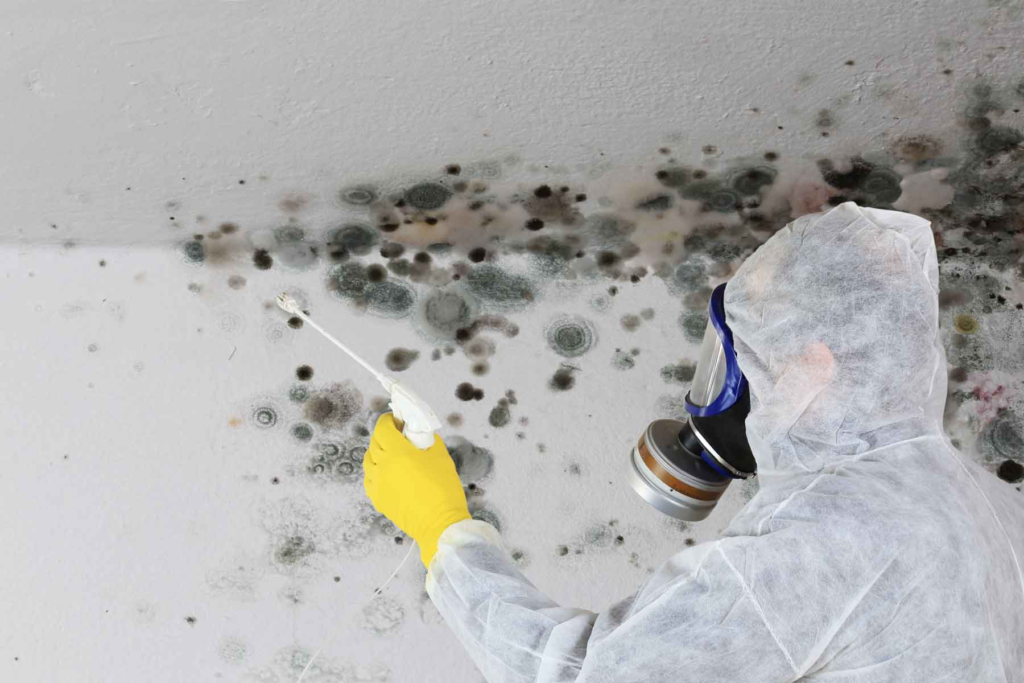
Mold Removal in Cocoa: What Homeowners in Brevard County Should Know
If you live in Cocoa, you already know how fast moisture builds up here. Between heavy summer rain, high year-round humidity, and hurricane season, Brevard County homes are constantly exposed to conditions that encourage mold growth.
When homeowners discover mold — whether on a ceiling, behind a cabinet, or inside an attic — the first question is usually simple: How do we remove this safely and permanently?
Mold removal in Cocoa isn’t just about scrubbing a stain. In Florida’s climate, successful removal depends on identifying the moisture source, preventing cross-contamination, and ensuring the problem doesn’t return.
Here’s what every homeowner in Cocoa, Rockledge, Merritt Island, and surrounding areas should understand.
Why Mold Is So Common in Cocoa Homes
Cocoa sits inland from Cocoa Beach but still experiences the same coastal humidity that affects all of Brevard County.
Homes here deal with:
- Persistent high humidity
- Sudden afternoon downpours
- Roof wear from storms
- AC systems running nearly year-round
- Slab foundations that can retain moisture
Even small water intrusions — like a minor roof leak or clogged AC drain line — can create enough moisture for mold to begin forming within 24 to 48 hours.
In Florida, moisture doesn’t evaporate quickly on its own. That’s why mold issues are so common here.
Mold Removal vs. Mold Cleaning
It’s important to understand the difference.
Cleaning typically addresses visible surface growth.
Removal involves:
- Identifying and correcting the moisture source
- Removing contaminated materials when necessary
- Containing affected areas
- Filtering airborne spores
- Restoring materials safely
In Cocoa homes, visible mold often represents only part of the issue. Moisture may still be trapped behind drywall, under flooring, or in attic insulation.
True mold removal addresses both contamination and moisture.
Common Mold Scenarios in Cocoa
Across Brevard County, these are some of the most frequent mold situations we encounter:
Roof Leaks After Storms
Wind-driven rain can infiltrate through flashing or vents, especially in older homes.
AC Condensate Drain Clogs
Clogged lines allow water to overflow into ceilings or closets.
Bathroom Ventilation Problems
Fans that don’t vent outside allow steam to accumulate.
Plumbing Leaks Behind Walls
Slow leaks may go unnoticed until staining appears.
Past Water Damage That Wasn’t Fully Dried
Incomplete drying can allow mold to develop weeks later.
In neighborhoods near the Indian River in Cocoa, humidity combined with aging roofing systems can increase mold risk.
Signs That Mold Removal May Be Necessary
Not every discoloration requires full remediation. However, removal may be necessary if:
- Mold covers a large surface area
- Growth continues to return after cleaning
- There’s a strong musty odor
- Water damage was recent
- Drywall feels soft or deteriorated
- Attic insulation shows visible contamination
Mold inside attics is particularly common after roof leaks in Cocoa and Titusville homes.
If you’re unsure, a professional inspection provides clarity.
Why DIY Mold Removal Often Fails
Many homeowners try to remove mold themselves using bleach or store-bought cleaners.
While this may improve appearance temporarily, it often does not:
- Penetrate porous materials like drywall
- Eliminate mold inside insulation
- Address hidden moisture
- Prevent spores from spreading
Scrubbing mold without containment can release spores into the air, potentially spreading contamination to other rooms or HVAC systems.
Without correcting the moisture source, mold almost always returns.
What Professional Mold Removal Looks Like
When mold removal is necessary, the process follows established safety guidelines.
At Brevard Mold Inspections & Removal, professional removal typically includes:
Containment
Plastic sheeting and negative air pressure systems isolate affected areas to prevent spore spread.
Air Filtration
HEPA air scrubbers capture airborne mold spores during removal.
Removal of Contaminated Materials
Porous materials like drywall, insulation, or carpet padding may need to be removed if compromised.
Cleaning and Surface Treatment
Non-porous materials are thoroughly cleaned using appropriate antimicrobial products.
Moisture Source Correction
Roof repairs, plumbing fixes, drainage improvements, or AC servicing are addressed to prevent recurrence.
Without moisture correction, removal is incomplete.
Attic Mold Removal in Cocoa Homes
Attic mold is especially common in Brevard County.
Causes often include:
- Roof leaks
- Improper bathroom fan venting
- Poor attic ventilation
- Hurricane-related moisture intrusion
In many cases, contaminated insulation must be removed and replaced. Wood framing may require professional cleaning and treatment.
Attic conditions in Cocoa can be extremely humid, especially during summer months. Ensuring proper airflow is essential after removal.
The Importance of Moisture Control After Removal
Mold removal is only successful when indoor moisture is managed properly.
Homeowners should:
- Keep indoor humidity between 40% and 55%
- Service AC systems annually
- Clear condensate drain lines regularly
- Ensure bathroom fans vent outside
- Inspect roofs after storms
- Monitor for musty odors
In coastal communities like Cocoa Beach and Satellite Beach, exterior inspections are especially important due to salt air and wind exposure.
Prevention and removal go hand in hand.
When to Schedule a Mold Inspection
You may want to consider a professional inspection if:
- You smell persistent mustiness
- You’ve experienced recent water damage
- You see visible growth
- Your AC system smells when running
- You’re buying or selling a home
- Mold keeps returning after cleaning
A thorough inspection includes visual assessment, moisture mapping, thermal imaging, and, when appropriate, air or surface sampling.
The goal is to understand the scope before removal begins.
Why Local Experience in Brevard County Matters
Mold removal in Florida is different than in dry climates.
Local professionals understand:
- Coastal humidity behavior
- Slab foundation moisture retention
- Hurricane-related intrusion patterns
- AC condensation challenges
- Attic heat cycles
A Cocoa home may experience different moisture patterns than one in Viera or Palm Bay.
That local knowledge helps ensure removal is thorough and long-lasting.
Many homeowners rely on Brevard Mold Inspections & Removal because Florida-specific experience leads to better outcomes.
A Calm, Practical Next Step
If you’ve discovered mold in your Cocoa home, the first step isn’t panic.
It’s evaluation.
A professional inspection can determine:
- How extensive the mold growth is
- Whether removal is necessary
- Where moisture is coming from
- What steps will prevent recurrence
Some cases require minor corrective measures. Others need structured removal.
Either way, understanding the full picture allows you to move forward confidently and protect your home from future mold problems.
In Brevard County, humidity is constant. With proper removal and ongoing moisture control, mold can be handled safely and responsibly.