
Mold Removal in Cocoa: What Homeowners in Brevard County Should Know
Mold problems are something many homeowners in Cocoa eventually face. Whether it begins after a roof leak, plumbing issue, storm damage, or simply ongoing humidity, mold growth is common in Florida homes. And once mold appears, homeowners often wonder what mold removal actually involves and how serious the situation may be.
In Brevard County, mold removal projects often begin after families notice musty odors, stains, or recurring mold spots that keep returning despite cleaning. In many cases, moisture problems have existed quietly for weeks or months before mold becomes visible.
The good news is that most mold problems can be resolved when handled properly and early. Understanding how mold removal works helps homeowners make informed decisions and avoid larger repairs later.
Here’s what homeowners in Cocoa and throughout Brevard County should know about mold removal.
Why Mold Problems Develop in Cocoa Homes
Cocoa’s climate naturally creates conditions where mold thrives. Warm temperatures, high humidity, and frequent storms allow moisture to enter homes easily.
Common causes of mold growth include:
• Roof leaks after storms or hurricanes
• Plumbing leaks inside walls or under sinks
• Flooding from heavy rainfall
• AC condensation problems
• Poor ventilation in bathrooms or kitchens
• Crawl space or attic moisture
Once materials such as drywall, insulation, or wood remain damp long enough, mold spores begin growing.
Across Cocoa, Rockledge, and Merritt Island, inspections frequently show mold developing after small leaks homeowners didn’t initially notice.
Signs Mold Removal May Be Needed
Some mold situations are small enough to manage with simple cleaning and moisture correction. However, larger or recurring problems usually require professional removal.
Signs removal may be necessary include:
• Persistent musty odors indoors
• Mold returning after cleaning
• Dark stains spreading on walls or ceilings
• Bubbling or peeling paint
• Warped flooring or baseboards
• Mold appearing in multiple rooms
In Cocoa homes, odors are often the first warning sign before mold becomes visible.
If mold keeps returning, hidden contamination may exist.
Where Mold Commonly Grows Before Removal Is Needed
Professional mold removal projects often uncover contamination in areas homeowners rarely inspect.
Common locations include:
Behind Walls
Leaks from plumbing or storms soak drywall cavities.
Under Flooring
Water seeps beneath laminate, vinyl, or carpet and remains trapped.
Attics
Roof leaks or poor ventilation allow mold growth above ceilings.
Crawl Spaces
Moisture from soil or flooding affects structures beneath homes.
Around HVAC Systems
Condensation sometimes causes hidden mold growth.
Homes throughout Palm Bay and Titusville often show mold in these hidden areas before it appears indoors.
Why Mold Removal Requires More Than Cleaning
Many homeowners attempt to clean mold themselves using household cleaners. While this may temporarily remove visible stains, mold removal involves more than surface cleaning.
Mold roots grow inside porous materials, meaning:
• Mold continues growing behind surfaces
• Cleaning spreads spores
• Moisture problems remain
• Mold returns quickly
True removal requires eliminating both contamination and the moisture source.
DIY cleaning often delays proper solutions.
How Professional Mold Removal Works
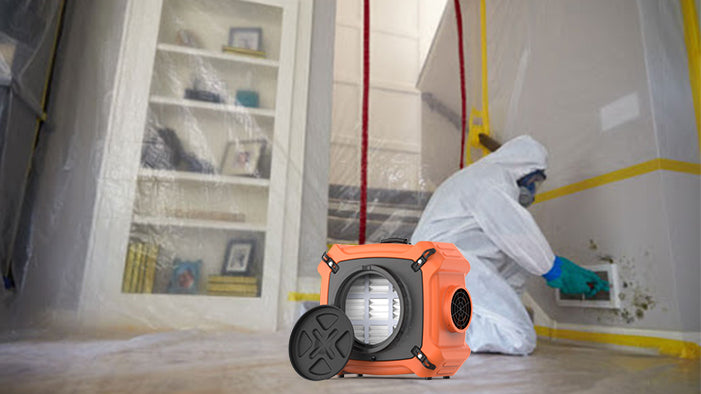
Professional mold remediation follows a structured process designed to remove mold safely while preventing contamination spread.
Step 1: Inspection and Moisture Detection
Professionals first identify moisture sources and determine how widespread contamination is.
Step 2: Containment Setup
Plastic barriers and filtration systems prevent mold spores from spreading to unaffected areas.
Step 3: Air Filtration
HEPA air scrubbers capture airborne spores during cleanup.
Step 4: Removal of Contaminated Materials
Wet or mold-damaged materials such as drywall, insulation, or flooring may require removal.
Step 5: Professional Cleaning
Remaining surfaces are cleaned using specialized equipment and methods.
Step 6: Moisture Correction
Leaks, drainage problems, or humidity issues are corrected.
Step 7: Final Inspection
Ensures mold conditions have been resolved.
The goal is restoring clean, dry indoor conditions.
Why Mold Often Returns Without Moisture Correction
Some homeowners experience mold returning after cleanup. This usually happens because moisture conditions were not fully corrected.
Common moisture sources include:
• Slow plumbing leaks
• Roof damage after storms
• Poor bathroom ventilation
• AC drain line problems
• Crawl space humidity
• High indoor humidity levels
If moisture continues, mold regrows even after removal.
Long-term solutions focus on moisture control.
How Mold Removal Affects Daily Life During Cleanup
Homeowners often worry about disruption during mold removal. In many cases, cleanup is limited to affected areas.
During remediation:
• Work areas are isolated with containment barriers
• Air filtration keeps spores from spreading
• Cleanup zones remain separate from living areas
• Work often finishes faster than homeowners expect
Smaller projects may be completed within a day or two, while larger jobs take longer depending on damage extent.
Most families remain in their homes during smaller remediation projects.
Why Early Mold Removal Saves Money
The longer mold grows, the more materials become affected.
When removal is delayed:
• Mold spreads behind walls
• Flooring damage increases
• Repairs become more extensive
• Indoor odors worsen
• Property value concerns grow
Across Brevard County, inspections often reveal mold growth that started from small leaks left unresolved for months.
Early action prevents costly repairs later.
Practical Ways to Prevent Mold After Removal
After remediation, prevention becomes the priority.
Helpful prevention steps include:
• Fixing leaks immediately
• Keeping indoor humidity below 55%
• Running bathroom and kitchen exhaust fans
• Maintaining HVAC systems regularly
• Inspecting roofs after storms
• Monitoring areas previously affected by water damage
• Checking crawl spaces and attics periodically
Homes near Cocoa Beach and Cape Canaveral benefit from extra humidity awareness due to coastal exposure.
Routine maintenance prevents mold from returning.
Why Local Experience Matters for Mold Removal
Florida mold problems differ from those in cooler climates.
Local professionals understand:
• Coastal humidity patterns
• Hurricane-related moisture intrusion
• Slab foundation moisture movement
• AC condensation challenges
• Construction styles common in Brevard County homes
Solutions must match local climate conditions.
Local expertise helps prevent recurring mold problems.
A Practical Next Step for Cocoa Homeowners
Discovering mold in your home can feel stressful, but most situations are manageable when addressed early. Many homeowners simply want reassurance their homes are safe and dry.
If your Cocoa home has persistent odors, recurring mold spots, or recent water damage, a professional inspection can help determine whether removal is necessary.
Brevard Mold Inspections & Removal assists homeowners throughout Cocoa and across Brevard County in identifying mold concerns and recommending practical solutions.
Addressing moisture early protects homes, prevents larger repairs, and keeps living spaces comfortable in Florida’s humid climate.
When mold appears, acting early often prevents bigger problems later.