
Mold Removal in Cocoa: What Homeowners in Brevard County Should Know
If you’ve discovered mold in your Cocoa home, your first thought is probably simple: How do I get rid of it — and how serious is this?
Living in Brevard County means living with humidity. Between afternoon thunderstorms, hurricane season, lagoon moisture, and year-round air conditioning, homes in Cocoa face constant exposure to damp conditions.
The good news is that most mold situations are manageable when addressed correctly. The key is understanding what proper mold removal really involves — and what it doesn’t.
Let’s walk through what homeowners in Cocoa, Rockledge, Merritt Island, Titusville, and surrounding communities should realistically expect.
First: Mold Removal Is Really Moisture Removal
Mold doesn’t appear randomly.
It grows when moisture is present long enough to feed it. That moisture may come from:
- Roof leaks after storms
- AC drain line backups
- Plumbing leaks
- Wind-driven rain intrusion
- High indoor humidity
- Poor attic ventilation
In Cocoa homes, especially older properties near the Indian River Lagoon, humidity alone can push indoor moisture levels high enough to support growth.
Removing mold without correcting moisture simply delays the problem.
Common Areas Where Mold Is Removed in Cocoa Homes
In Brevard County, mold removal most often involves:
Ceilings and Drywall
Roof leaks after storms affecting Cocoa, Satellite Beach, or Rockledge often lead to ceiling staining and attic contamination.
Under Sink Cabinets
Slow plumbing leaks are a frequent source of hidden mold growth.
Attics
Poor ventilation combined with high humidity creates condensation on roof decking.
Around HVAC Systems
Air handler closets and ducts can develop mold if condensate lines clog.
Under Flooring
Slab homes common in Cocoa and Palm Bay may trap water beneath laminate or tile after water intrusion.
Each situation requires a slightly different approach depending on location and severity.
Why DIY Mold Removal Often Falls Short
It’s understandable to want to clean visible mold quickly.
However, common DIY approaches can create problems:
- Bleach does not penetrate porous materials like drywall or wood.
- Scrubbing mold can release spores into the air.
- Painting over stained surfaces does not eliminate contamination.
- Removing materials without containment can spread growth to other rooms.
In Rockledge and Merritt Island homes, we’ve seen small bathroom mold situations expand after improper removal attempts.
Professional removal focuses on controlling spread while addressing the moisture source.
What Professional Mold Removal Actually Involves
Proper mold removal in Cocoa follows a structured process.
1. Identify and Correct the Moisture Source
This step is non-negotiable.
Roof leaks, plumbing issues, HVAC problems, or drainage concerns must be resolved first.
Without moisture correction, mold will return.
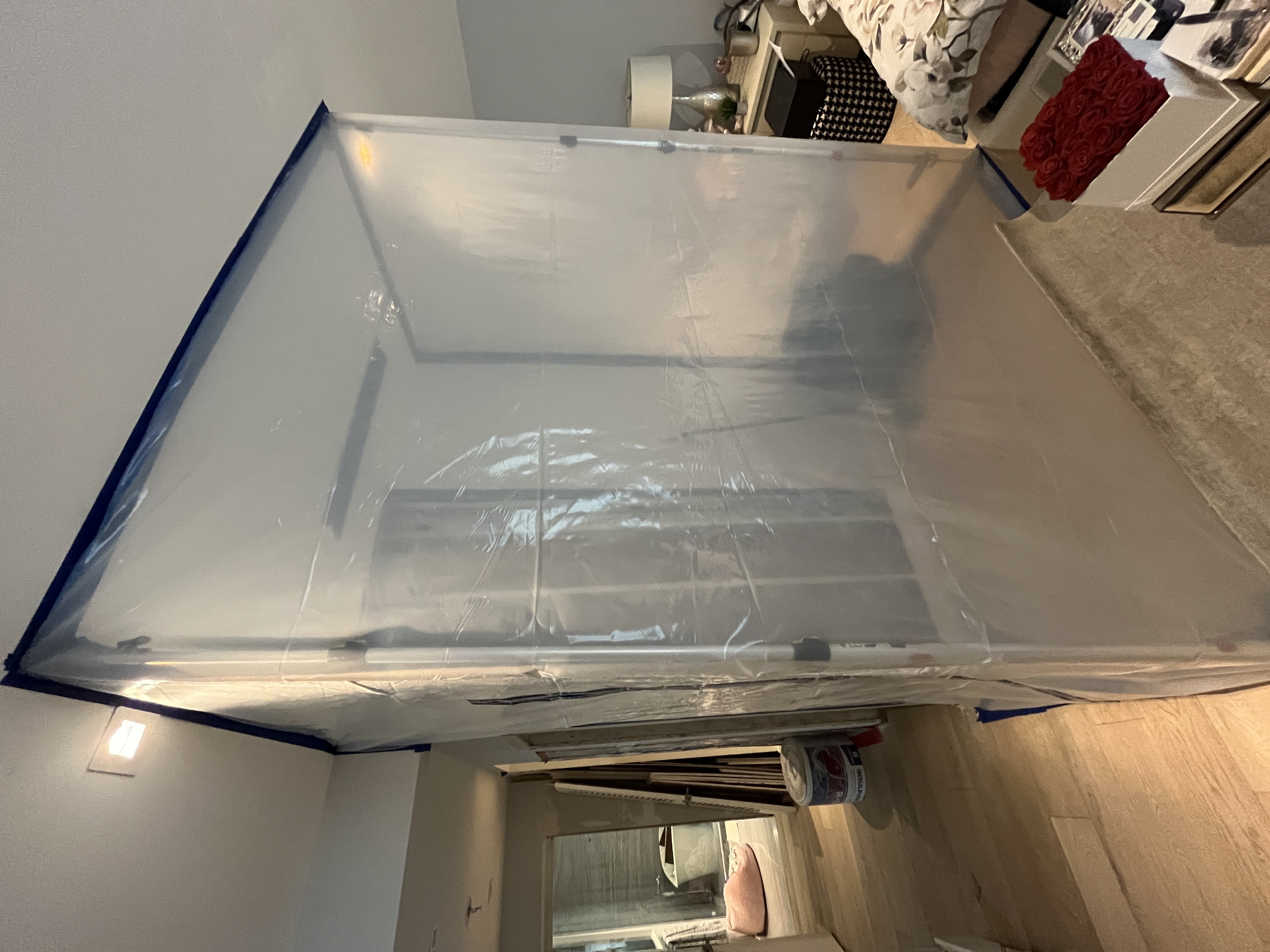
2. Containment
Affected areas are isolated using barriers to prevent cross-contamination.
Air filtration systems may be used to control airborne particles.
3. Safe Removal of Contaminated Materials
Depending on severity, this may include:
- Removing drywall
- Disposing of wet insulation
- Cleaning structural framing
- Replacing affected flooring
4. Cleaning and HEPA Filtration
Remaining surfaces are cleaned appropriately, and air scrubbers may be used to improve indoor air quality.
5. Thorough Drying
Drying equipment ensures moisture levels return to safe ranges before repairs begin.
In Brevard County’s humid climate, drying is critical.
How Long Does Mold Removal Take?
The timeline depends on:
- The size of the affected area
- The moisture source
- Whether structural materials must be removed
- Indoor humidity conditions
Small isolated areas may be resolved within a few days.
Larger attic or wall cavity contamination may take longer.
In Cocoa Beach and Satellite Beach homes after hurricanes, extended drying periods are often necessary due to high outdoor humidity.
Patience during drying prevents recurrence.
Do You Always Need Mold Testing?
Testing is not required in every situation.
When visible mold and an obvious moisture source are present, removal may proceed without laboratory confirmation.
Testing is often recommended when:
- The extent of contamination is unclear
- There are indoor air quality concerns
- A real estate transaction requires documentation
- The source of odor is unknown
Air sampling compares indoor spore levels to outdoor levels to determine whether growth is active.
Brevard Mold Inspections & Removal performs testing when it adds value and clarity — not automatically.
What Happens After Removal?
After mold removal, repairs typically follow.
This may include:
- Replacing drywall
- Reinstalling insulation
- Repainting
- Refinishing flooring
Before rebuilding, it’s important that moisture levels are stable.
In Titusville and Palm Bay homes, rushing reconstruction before drying is complete often leads to repeat problems.
Verification of dryness protects your investment.
Preventing Mold from Returning in Cocoa
Removal is only half the solution.
Prevention in Brevard County requires ongoing attention to humidity and maintenance.
Homeowners can:
- Keep indoor humidity below 55%
- Service HVAC systems annually
- Flush condensate drain lines regularly
- Inspect attics after heavy storms
- Repair roof damage promptly
- Seal window frames
- Monitor plumbing connections
After hurricanes affecting Merritt Island or Rockledge, inspecting ceilings and attic spaces within 48 hours is wise.
Early action limits long-term damage.
Why Local Experience Matters in Cocoa
Mold removal in Florida differs from removal in dry climates.
Cocoa homes face:
- Lagoon-influenced humidity
- Hurricane-driven rain intrusion
- Salt air affecting roofing materials
- Slab foundation moisture
- Constant AC operation
An inspector familiar with Brevard County understands these local environmental pressures.
Brevard Mold Inspections & Removal works throughout Cocoa, Rockledge, Melbourne, Palm Bay, Merritt Island, Titusville, and Satellite Beach. Local climate knowledge allows for accurate assessment and realistic removal plans tailored to Florida homes.
A Calm, Practical Next Step
Discovering mold in your Cocoa home doesn’t automatically mean major structural damage.
Most mold issues in Brevard County are manageable when addressed early and thoroughly.
The key is correcting moisture first, containing contamination properly, and ensuring complete drying before rebuilding.
If you’ve noticed musty odors, visible growth, or water damage, a professional evaluation provides clarity and direction.
In Florida’s humid climate, mold removal is less about fear — and more about steady, informed action.