
Mold Removal in Rockledge: What Homeowners in Brevard County Should Know
Mold problems are a reality for many homeowners in Rockledge. Located along the Indian River and surrounded by the same heat and humidity found throughout Brevard County, Rockledge homes face constant moisture pressure year-round. When mold shows up, the biggest concern for most homeowners is simple: How do I get rid of it properly without making things worse?
Mold removal isn’t about quick fixes or harsh chemicals. In Florida, especially in communities like Rockledge, effective mold removal depends on understanding where the moisture came from, how far the mold has spread, and how to prevent it from returning. Knowing what proper mold removal looks like helps homeowners avoid unnecessary damage, wasted money, and repeat problems.
What Mold Removal Really Means
Mold removal is not just cleaning visible spots. In many cases, what you see is only a small part of the problem. Mold often grows inside porous materials such as drywall, insulation, wood framing, and flooring.
True mold removal involves identifying affected materials, safely removing or treating them, and correcting the moisture conditions that allowed mold to grow in the first place. Without moisture control, mold removal is temporary at best.
In Rockledge homes, mold frequently develops quietly and spreads before it’s ever visible on walls or ceilings.
Why Mold Is So Common in Rockledge Homes
Rockledge’s location and construction styles contribute to frequent mold issues.
High humidity is constant, even during drier months. Moisture in the air slows drying and keeps building materials damp longer than homeowners realize.
Heavy rainfall and seasonal storms increase the risk of roof leaks, window intrusion, and exterior moisture seepage. Even minor leaks can introduce enough moisture to support mold growth.
Air conditioning systems are another major factor. AC units remove humidity but produce condensation. When drain lines clog or systems run inefficiently, moisture can leak into walls, ceilings, and closets.
Many Rockledge homes are built on slab foundations. Moisture can migrate upward through concrete and become trapped beneath flooring materials like laminate, vinyl plank, or carpet.
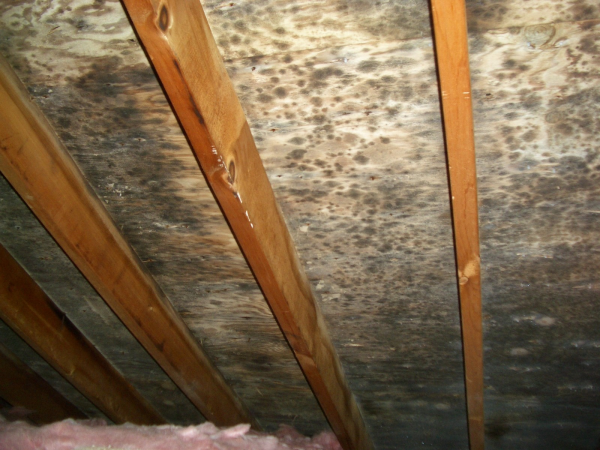
Attics are also vulnerable. Poor ventilation, roof damage, and humid air often lead to mold growth on roof decking and insulation.
Common Signs Mold Removal Is Needed
Mold doesn’t always announce itself clearly. Some of the most common warning signs are easy to overlook.
A persistent musty or damp odor is often the first indicator, especially when the air conditioning turns on.
Discoloration on walls, ceilings, baseboards, or around vents may appear as light staining rather than obvious mold growth.
Homeowners may notice bubbling paint, warped flooring, or soft drywall, all signs that moisture has been present for an extended period.
In many Rockledge homes, mold removal becomes necessary after water damage, plumbing leaks, AC failures, or storm-related moisture intrusion.
Hidden Areas Where Mold Often Grows
Mold in Rockledge homes is frequently hidden behind finished surfaces.
Behind walls is common after plumbing leaks or roof issues. Water can travel along framing and settle far from the original source.
Under flooring is another frequent problem in slab homes. Moisture trapped beneath flooring materials may go unnoticed for months.
Attics are a major concern. Mold often develops on roof decking and insulation after roof leaks or prolonged humidity.
HVAC systems can also harbor mold. Air handlers, drain pans, ductwork, and supply vents can spread mold spores throughout the home whenever the system runs.
Why DIY Mold Removal Often Backfires
Many homeowners attempt to handle mold removal themselves, especially when growth appears small. While understandable, DIY methods often make the problem worse.
Bleach and household cleaners may remove surface staining but usually don’t eliminate mold inside porous materials.
Scrubbing without containment can release mold spores into the air, spreading them to other areas of the home.
Most importantly, DIY cleanup rarely addresses the moisture source. Without fixing the underlying issue, mold almost always returns and often spreads further.
How Professional Mold Removal Is Done
Proper mold removal follows a controlled, step-by-step process.
The first step is containment. Plastic barriers and negative air pressure are used to prevent mold spores from spreading during removal.
Next, the moisture source is identified and corrected. This may involve plumbing repairs, AC system adjustments, improved ventilation, or roof repairs.
Affected materials are then safely removed or treated, depending on the extent of contamination. Porous materials that cannot be properly cleaned are typically removed.
After removal, the area is thoroughly cleaned and dried. The focus is on long-term moisture control to reduce the chance of recurrence.
Local professionals such as Brevard Mold Inspections & Removal approach mold removal with an emphasis on accuracy and prevention, not unnecessary demolition.
What Mold Removal Does Not Include
Mold removal is not cosmetic cleaning. Painting over mold or covering damaged materials does not solve the problem.
It is also not a one-size-fits-all process. Each home has different moisture sources, building materials, and airflow patterns that must be considered.
Proper mold removal should never feel rushed or overly aggressive. The goal is controlled removal and prevention, not disruption.
Preventing Mold After Removal
Once mold has been removed, prevention becomes the priority.
Maintaining indoor humidity below 60 percent is critical in Rockledge homes.
Regular air conditioning maintenance helps prevent condensation-related moisture issues.
Using exhaust fans in bathrooms and kitchens reduces humidity buildup.
Inspecting the home after storms allows small leaks to be addressed before mold develops.
Promptly addressing plumbing leaks, roof issues, and condensation problems helps prevent recurrence.
Why Local Brevard County Experience Matters
Mold behavior in Rockledge is influenced by coastal moisture, frequent storms, and local construction styles. Professionals familiar with Brevard County understand where mold is most likely to develop and how quickly conditions can change.
Local experience leads to more accurate assessments, targeted removal, and practical prevention strategies tailored to Rockledge homes.
A Practical Next Step for Rockledge Homeowners
If you’re dealing with mold in your home, the most important step is understanding the full scope of the issue. Mold removal done correctly protects your home and helps prevent repeat problems.
A professional evaluation provides clarity and helps determine the right level of response. Trusted local providers like Brevard Mold Inspections & Removal focus on careful assessment, proper removal, and long-term prevention rather than pressure or quick fixes.
Mold issues are common in Rockledge, but they don’t have to become overwhelming. With the right approach and local expertise, mold can be addressed safely and responsibly, protecting your home and your peace of mind.