
Mold Removal in Rockledge: What Homeowners in Brevard County Should Know
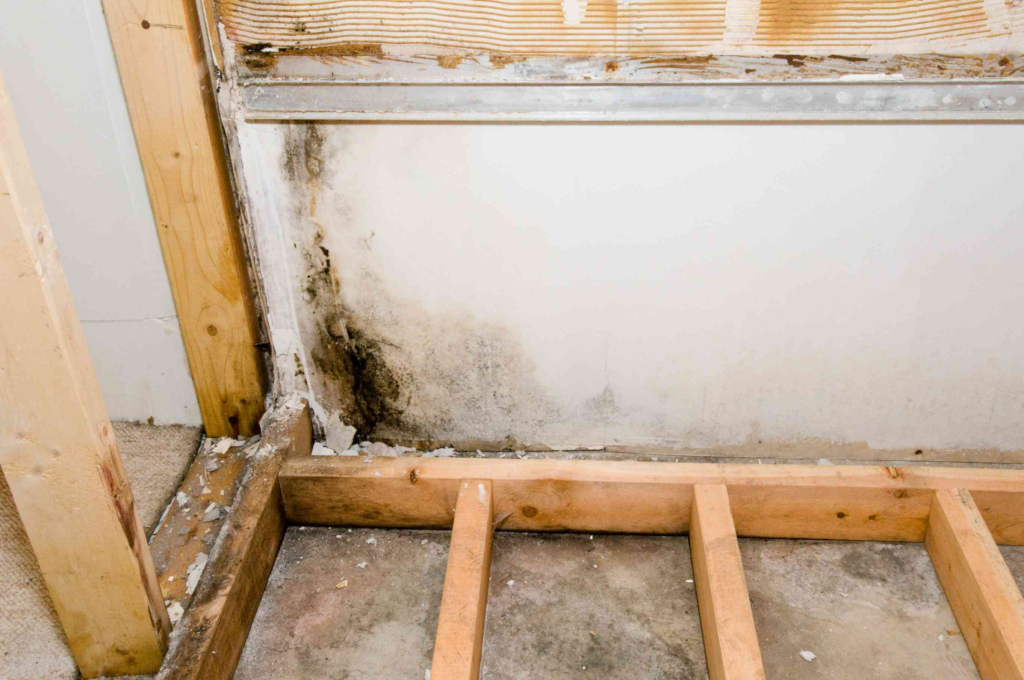
If you’ve discovered mold in your Rockledge home, your first reaction is probably concern — and that’s understandable. In Brevard County, mold is a common issue because moisture is simply part of life here.
Between high humidity, heavy summer rainfall, hurricane season, slab foundations, and air conditioning running nearly year-round, homes in Rockledge experience steady moisture pressure. When that moisture lingers, mold can develop.
The good news? Most mold problems are manageable when handled correctly. The key is understanding how proper mold removal works — and why addressing moisture is just as important as cleaning visible growth.
Let’s walk through what homeowners in Rockledge should know.
Why Mold Develops in Rockledge Homes
Rockledge sits along the Indian River Lagoon, where humidity levels stay elevated much of the year. Add in:
- Frequent thunderstorms
- Hurricane-related rainfall
- Warm attic temperatures
- Slab foundations
- Continuous AC use
And you have ideal conditions for condensation and moisture buildup.
Common mold triggers in Rockledge include:
- Roof leaks after storms
- AC condensate drain clogs
- Plumbing leaks inside walls
- Slab moisture under flooring
- Bathroom ventilation problems
- Duct condensation in hot attics
Mold doesn’t require major flooding. Even small, slow moisture issues can allow growth to develop over time.
Signs Mold Removal May Be Necessary
Homeowners often contact us after noticing:
- Musty odors
- Dark spots on drywall or ceilings
- Mold around air vents
- Warped or buckling flooring
- Recurring bathroom ceiling mold
- Peeling paint
- Damp feeling indoors
Sometimes the mold is visible. Other times, the odor is the first clue.
If the smell becomes stronger after rain or when the AC runs, moisture may still be present somewhere inside the home.
Step 1: Identify the Moisture Source
Before any mold removal begins, the moisture source must be found.
In Rockledge homes, inspections typically evaluate:
- Roof condition
- Attic ventilation
- Slab moisture levels
- HVAC systems
- Plumbing lines
- Window and door seals
Without correcting the underlying moisture, mold often returns.
At Brevard Mold Inspections & Removal, removal always begins with a clear understanding of why moisture is present.
Step 2: Containment (When Needed)
If the affected area is large or involves porous materials, containment helps prevent mold spores from spreading during removal.
Containment may involve:
- Plastic barriers
- Sealing vents
- Negative air pressure systems
This protects unaffected areas of the home.
Smaller isolated areas may not require full containment, but proper evaluation determines the safest approach.
Step 3: Removing Contaminated Materials
Porous materials with significant mold growth often require removal.
This may include:
- Drywall
- Insulation
- Carpet padding
- Ceiling tiles
- Wood trim
Structural framing can often be cleaned if damage is not extensive.
If slab moisture has affected subflooring, portions may need replacement before rebuilding.
Step 4: Cleaning and Filtration
After removing affected materials, remaining surfaces are professionally cleaned.
HEPA air filtration helps capture airborne spores during the process.
Cleaning is focused on stabilizing both surfaces and indoor air.
The goal is reducing contamination while correcting the moisture source.
Step 5: Thorough Drying
Drying is critical in Brevard County’s humid climate.
Industrial dehumidifiers and air movers are often used to ensure materials reach appropriate moisture levels.
Rebuilding before full drying traps moisture inside walls or flooring — increasing the risk of recurrence.
In Rockledge, patience during the drying phase often determines long-term success.
Why DIY Mold Removal Can Backfire
Some homeowners attempt:
- Scrubbing visible mold
- Painting over stains
- Replacing drywall without drying
- Using household bleach
Bleach does not penetrate drywall or wood deeply.
Surface cleaning does not fix slab moisture, roof leaks, or duct condensation.
In Florida’s humid climate, incomplete removal often leads to mold returning.
Professional evaluation ensures the moisture source is fully addressed.
Mold Removal After Storms
After hurricanes or severe storms in Rockledge, mold removal is often necessary due to:
- Wind-driven rain
- Roof damage
- Attic moisture
- Slab saturation
- AC strain
Even minor storm-related leaks can create hidden moisture pockets.
Early inspection and drying significantly reduce the extent of removal required.
Insurance Considerations
If mold results from a sudden, accidental event — such as a burst pipe or storm damage — removal may fall under homeowner insurance coverage.
Gradual humidity-related mold is often treated differently.
Documentation of the moisture cause helps clarify coverage.
Professional inspection reports support clear communication with insurance carriers.
Preventing Mold Recurrence in Rockledge
Once removal is complete, prevention is essential.
Homeowners can reduce risk by:
- Keeping indoor humidity below 60%
- Servicing AC systems annually
- Flushing condensate drain lines
- Ensuring bathroom fans vent outdoors
- Inspecting attic ventilation
- Addressing roof leaks promptly
- Monitoring slab moisture after heavy rain
- Using dehumidifiers during peak summer months
Preventive maintenance protects your home long-term.
Why Local Experience Matters
Mold removal in Rockledge differs from dry inland states.
Here, we manage:
- Coastal humidity
- Hurricane rainfall
- Slab foundations
- High water tables
- Continuous AC operation
- Extreme attic heat
Homes in Rockledge differ from waterfront properties in Merritt Island or oceanfront condos in Cape Canaveral.
Understanding Brevard County’s building styles ensures removal addresses realistic moisture pathways.
Local knowledge prevents unnecessary demolition and ensures accurate correction.
A Calm, Practical Perspective
Finding mold in your Rockledge home can feel stressful — but most situations are manageable when addressed properly.
The key steps are:
- Identify the moisture source.
- Remove contaminated materials safely.
- Dry thoroughly.
- Correct underlying issues.
There’s no need for alarm — just informed action.
If you’d like a professional evaluation of mold concerns in Rockledge or anywhere in Brevard County, Brevard Mold Inspections & Removal provides experienced, locally informed inspections and removal tailored to Florida’s coastal environment.
Managing moisture thoughtfully is part of protecting your home in Brevard County. With proper removal and prevention, your home can remain dry, stable, and comfortable year-round.