
Mold Removal in Rockledge: What Homeowners in Brevard County Should Know
Mold Removal in Rockledge: What Homeowners in Brevard County Should Know
In Rockledge, mold removal is a common concern for homeowners dealing with Florida’s persistent humidity, seasonal storms, and long cooling cycles. Mold rarely appears overnight. More often, it develops quietly after moisture lingers—sometimes from a small leak, condensation, or even everyday humidity that never fully dries.
Mold removal isn’t just about cleaning what you see. In Brevard County, effective mold removal means understanding why mold developed, where moisture is hiding, and how to prevent the problem from returning. Knowing what proper mold removal involves helps Rockledge homeowners avoid repeat issues and unnecessary repairs.
Why Mold Problems Are Common in Rockledge Homes
Rockledge sits inland from the coast but still experiences the same humid air and storm patterns that affect much of Brevard County. Even homes that appear dry can trap moisture inside walls, floors, and attics.
Local factors that increase mold risk include:
- High year-round humidity
- Heavy rain and tropical storms
- Slab foundations common in Rockledge neighborhoods
- Long air-conditioning seasons
- Homes kept closed and air-conditioned most of the year
- Slow drying after water intrusion
Because drying takes longer in this environment, moisture-related mold problems are common.
What Mold Removal Really Means
Mold removal is often misunderstood. It’s not just wiping down surfaces or spraying chemicals. Proper mold removal focuses on eliminating mold growth and correcting the conditions that allowed it to develop.
True mold removal involves:
- Identifying affected materials
- Removing contaminated porous surfaces when needed
- Cleaning remaining materials safely
- Correcting moisture sources
- Ensuring the area dries completely
Without addressing moisture, mold removal will only be temporary.
Common Causes of Mold That Require Removal
In Rockledge homes, mold removal is often needed after moisture-related events that seemed minor at first.
Common causes include:
- Roof leaks after storms
- Plumbing leaks inside walls
- AC condensate drain line problems
- Bathroom moisture without proper ventilation
- Water intrusion around windows and doors
These issues often allow mold to grow out of sight before it becomes visible.
Where Mold Is Commonly Found in Rockledge Homes
Mold doesn’t grow randomly. It appears where moisture lingers the longest.
High-risk areas include:
- Bathrooms and bathroom ceilings
- Behind drywall near plumbing lines
- Beneath laminate or vinyl flooring
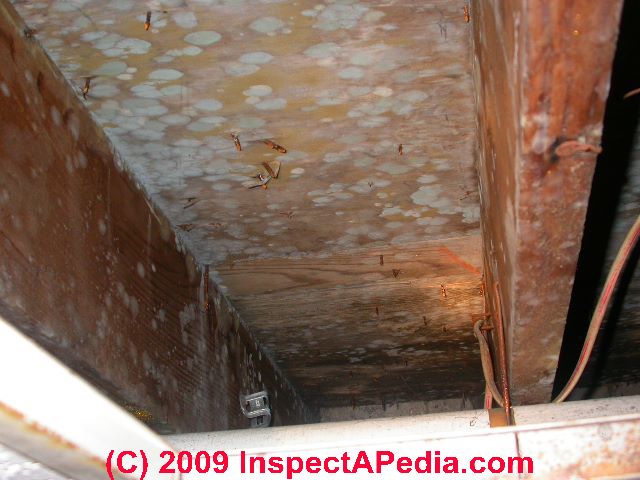
- Inside attics after roof leaks
- Around HVAC air handlers and ductwork
- Closets on exterior walls
Visible mold is often only a small part of what’s actually present.
Hidden Mold and Why It Matters
Hidden mold is one of the biggest challenges during mold removal. Mold doesn’t need light to grow and often spreads behind finished surfaces.
Hidden mold is commonly found:
- Inside wall cavities
- Under flooring on slab foundations
- Behind cabinets and vanities
- Inside attic insulation
- Within HVAC components
If hidden mold isn’t addressed, surface cleaning alone won’t solve the problem.
Why DIY Mold Removal Often Fails
DIY mold removal is tempting, especially when growth looks limited. Unfortunately, it often leads to repeat problems.
DIY efforts fail because:
- Bleach doesn’t penetrate porous materials
- Mold roots remain embedded
- Moisture sources aren’t corrected
- Scrubbing spreads mold spores
- Hidden mold is missed
In Rockledge’s humid climate, mold usually returns quickly after DIY cleanup.
The Role of Mold Inspections Before Removal
A mold inspection helps determine how much mold is present and what’s causing it before removal begins.
An inspection typically looks at:
- Visible mold and staining
- Moisture levels in walls and floors
- Attic and roof-related moisture
- HVAC systems and drainage
- Areas prone to hidden mold
This information prevents unnecessary demolition and ensures removal targets the real problem.
Brevard Mold Inspections & Removal works with Rockledge homeowners to assess mold conditions clearly before any removal plan is put in place.
Mold Removal vs Mold Remediation
These terms are often used interchangeably, but they’re slightly different in practice.
- Mold removal focuses on eliminating existing mold
- Mold remediation includes removal and prevention steps
In most Rockledge homes, remediation is the better approach because it reduces the chance of mold returning.
What Proper Mold Removal Looks Like
When mold removal is done correctly, it follows a controlled, methodical process.
A proper approach may include:
- Containment to prevent spore spread
- Removal of contaminated drywall, insulation, or flooring
- Cleaning and treating remaining surfaces
- Correcting moisture sources
- Drying and humidity control
Cosmetic fixes alone are not enough for long-term results.
Mold Removal After Storms or Water Damage
Storms are a common trigger for mold removal in Rockledge—even without flooding.
After storms:
- Wind-driven rain can enter small openings
- Attics and walls absorb moisture
- Power outages slow drying
- Mold may appear weeks later
Post-storm inspections often identify mold conditions early, before widespread growth develops.
HVAC Systems and Mold Removal
HVAC systems are frequently involved in mold removal cases.
Common HVAC-related mold issues include:
- Standing water in drain pans
- Clogged condensate drain lines
- Dirty evaporator coils
- Damp duct insulation
If HVAC-related mold isn’t addressed, spores and odors can circulate throughout the home.
Preventing Mold After Removal
Preventing mold is just as important as removing it.
Effective prevention steps include:
- Regular AC maintenance and drain line cleaning
- Using bathroom exhaust fans consistently
- Monitoring indoor humidity levels
- Fixing leaks promptly
- Inspecting attics after storms
- Allowing airflow in closets and storage areas
Prevention reduces the need for future removal.
Why Local Rockledge Experience Matters
Mold removal in Florida is different from removal in dry climates. Rockledge homes face challenges tied to humidity, storms, slab construction, and long cooling seasons.
Local professionals understand:
- Where moisture commonly hides in Brevard County homes
- How HVAC systems influence mold spread
- How quickly mold can develop in this climate
Local experience leads to better outcomes and fewer repeat issues.
A Calm, Practical Takeaway for Homeowners
Mold removal in Rockledge doesn’t have to be overwhelming. Most mold problems trace back to moisture that stayed too long—not neglect or extreme events.
If your home has visible mold, recurring odors, or a history of moisture issues, a professional evaluation can provide clarity. Proper mold removal focuses on eliminating growth and preventing its return, helping homeowners protect their property and stay comfortable in Brevard County’s humid environment.
Why Mold Problems Are Common in Rockledge Homes
Rockledge sits inland from the coast but still experiences the same humid air and storm patterns that affect much of Brevard County. Even homes that appear dry can trap moisture inside walls, floors, and attics.
Local factors that increase mold risk include:
- High year-round humidity
- Heavy rain and tropical storms
- Slab foundations common in Rockledge neighborhoods
- Long air-conditioning seasons
- Homes kept closed and air-conditioned most of the year
- Slow drying after water intrusion
Because drying takes longer in this environment, moisture-related mold problems are common.
What Mold Removal Really Means
Mold removal is often misunderstood. It’s not just wiping down surfaces or spraying chemicals. Proper mold removal focuses on eliminating mold growth and correcting the conditions that allowed it to develop.
True mold removal involves:
- Identifying affected materials
- Removing contaminated porous surfaces when needed
- Cleaning remaining materials safely
- Correcting moisture sources
- Ensuring the area dries completely
Without addressing moisture, mold removal will only be temporary.
Common Causes of Mold That Require Removal
In Rockledge homes, mold removal is often needed after moisture-related events that seemed minor at first.
Common causes include:
- Roof leaks after storms
- Plumbing leaks inside walls
- AC condensate drain line problems
- Bathroom moisture without proper ventilation
- Water intrusion around windows and doors
These issues often allow mold to grow out of sight before it becomes visible.
Where Mold Is Commonly Found in Rockledge Homes
Mold doesn’t grow randomly. It appears where moisture lingers the longest.
High-risk areas include:
- Bathrooms and bathroom ceilings
- Behind drywall near plumbing lines
- Beneath laminate or vinyl flooring
- Inside attics after roof leaks
- Around HVAC air handlers and ductwork
- Closets on exterior walls
Visible mold is often only a small part of what’s actually present.
Hidden Mold and Why It Matters
Hidden mold is one of the biggest challenges during mold removal. Mold doesn’t need light to grow and often spreads behind finished surfaces.
Hidden mold is commonly found:
- Inside wall cavities
- Under flooring on slab foundations
- Behind cabinets and vanities
- Inside attic insulation
- Within HVAC components
If hidden mold isn’t addressed, surface cleaning alone won’t solve the problem.
Why DIY Mold Removal Often Fails
DIY mold removal is tempting, especially when growth looks limited. Unfortunately, it often leads to repeat problems.
DIY efforts fail because:
- Bleach doesn’t penetrate porous materials
- Mold roots remain embedded
- Moisture sources aren’t corrected
- Scrubbing spreads mold spores
- Hidden mold is missed
In Rockledge’s humid climate, mold usually returns quickly after DIY cleanup.
The Role of Mold Inspections Before Removal
A mold inspection helps determine how much mold is present and what’s causing it before removal begins.
An inspection typically looks at:
- Visible mold and staining
- Moisture levels in walls and floors
- Attic and roof-related moisture
- HVAC systems and drainage
- Areas prone to hidden mold
This information prevents unnecessary demolition and ensures removal targets the real problem.
Brevard Mold Inspections & Removal works with Rockledge homeowners to assess mold conditions clearly before any removal plan is put in place.
Mold Removal vs Mold Remediation
These terms are often used interchangeably, but they’re slightly different in practice.
- Mold removal focuses on eliminating existing mold
- Mold remediation includes removal and prevention steps
In most Rockledge homes, remediation is the better approach because it reduces the chance of mold returning.
What Proper Mold Removal Looks Like
When mold removal is done correctly, it follows a controlled, methodical process.
A proper approach may include:
- Containment to prevent spore spread
- Removal of contaminated drywall, insulation, or flooring
- Cleaning and treating remaining surfaces
- Correcting moisture sources
- Drying and humidity control
Cosmetic fixes alone are not enough for long-term results.
Mold Removal After Storms or Water Damage
Storms are a common trigger for mold removal in Rockledge—even without flooding.
After storms:
- Wind-driven rain can enter small openings
- Attics and walls absorb moisture
- Power outages slow drying
- Mold may appear weeks later
Post-storm inspections often identify mold conditions early, before widespread growth develops.
HVAC Systems and Mold Removal
HVAC systems are frequently involved in mold removal cases.
Common HVAC-related mold issues include:
- Standing water in drain pans
- Clogged condensate drain lines
- Dirty evaporator coils
- Damp duct insulation
If HVAC-related mold isn’t addressed, spores and odors can circulate throughout the home.
Preventing Mold After Removal
Preventing mold is just as important as removing it.
Effective prevention steps include:
- Regular AC maintenance and drain line cleaning
- Using bathroom exhaust fans consistently
- Monitoring indoor humidity levels
- Fixing leaks promptly
- Inspecting attics after storms
- Allowing airflow in closets and storage areas
Prevention reduces the need for future removal.
Why Local Rockledge Experience Matters
Mold removal in Florida is different from removal in dry climates. Rockledge homes face challenges tied to humidity, storms, slab construction, and long cooling seasons.
Local professionals understand:
- Where moisture commonly hides in Brevard County homes
- How HVAC systems influence mold spread
- How quickly mold can develop in this climate
Local experience leads to better outcomes and fewer repeat issues.
A Calm, Practical Takeaway for Homeowners
Mold removal in Rockledge doesn’t have to be overwhelming. Most mold problems trace back to moisture that stayed too long—not neglect or extreme events.
If your home has visible mold, recurring odors, or a history of moisture issues, a professional evaluation can provide clarity. Proper mold removal focuses on eliminating growth and preventing its return, helping homeowners protect their property and stay comfortable in Brevard County’s humid environment.
Image Generation Prompts


In Rockledge, mold removal is a common concern for homeowners dealing with Florida’s persistent humidity, seasonal storms, and long cooling cycles. Mold rarely appears overnight. More often, it develops quietly after moisture lingers—sometimes from a small leak, condensation, or even everyday humidity that never fully dries.
Mold removal isn’t just about cleaning what you see. In Brevard County, effective mold removal means understanding why mold developed, where moisture is hiding, and how to prevent the problem from returning. Knowing what proper mold removal involves helps Rockledge homeowners avoid repeat issues and unnecessary repairs.
Why Mold Problems Are Common in Rockledge Homes
Rockledge sits inland from the coast but still experiences the same humid air and storm patterns that affect much of Brevard County. Even homes that appear dry can trap moisture inside walls, floors, and attics.
Local factors that increase mold risk include:
- High year-round humidity
- Heavy rain and tropical storms
- Slab foundations common in Rockledge neighborhoods
- Long air-conditioning seasons
- Homes kept closed and air-conditioned most of the year
- Slow drying after water intrusion
Because drying takes longer in this environment, moisture-related mold problems are common.
What Mold Removal Really Means
Mold removal is often misunderstood. It’s not just wiping down surfaces or spraying chemicals. Proper mold removal focuses on eliminating mold growth and correcting the conditions that allowed it to develop.
True mold removal involves:
- Identifying affected materials
- Removing contaminated porous surfaces when needed
- Cleaning remaining materials safely
- Correcting moisture sources
- Ensuring the area dries completely
Without addressing moisture, mold removal will only be temporary.
Common Causes of Mold That Require Removal
In Rockledge homes, mold removal is often needed after moisture-related events that seemed minor at first.
Common causes include:
- Roof leaks after storms
- Plumbing leaks inside walls
- AC condensate drain line problems
- Bathroom moisture without proper ventilation
- Water intrusion around windows and doors
These issues often allow mold to grow out of sight before it becomes visible.
Where Mold Is Commonly Found in Rockledge Homes
Mold doesn’t grow randomly. It appears where moisture lingers the longest.
High-risk areas include:
- Bathrooms and bathroom ceilings
- Behind drywall near plumbing lines
- Beneath laminate or vinyl flooring
- Inside attics after roof leaks
- Around HVAC air handlers and ductwork
- Closets on exterior walls
Visible mold is often only a small part of what’s actually present.
Hidden Mold and Why It Matters
Hidden mold is one of the biggest challenges during mold removal. Mold doesn’t need light to grow and often spreads behind finished surfaces.
Hidden mold is commonly found:
- Inside wall cavities
- Under flooring on slab foundations
- Behind cabinets and vanities
- Inside attic insulation
- Within HVAC components
If hidden mold isn’t addressed, surface cleaning alone won’t solve the problem.
Why DIY Mold Removal Often Fails
DIY mold removal is tempting, especially when growth looks limited. Unfortunately, it often leads to repeat problems.
DIY efforts fail because:
- Bleach doesn’t penetrate porous materials
- Mold roots remain embedded
- Moisture sources aren’t corrected
- Scrubbing spreads mold spores
- Hidden mold is missed
In Rockledge’s humid climate, mold usually returns quickly after DIY cleanup.
The Role of Mold Inspections Before Removal
A mold inspection helps determine how much mold is present and what’s causing it before removal begins.
An inspection typically looks at:
- Visible mold and staining
- Moisture levels in walls and floors
- Attic and roof-related moisture
- HVAC systems and drainage
- Areas prone to hidden mold
This information prevents unnecessary demolition and ensures removal targets the real problem.
Brevard Mold Inspections & Removal works with Rockledge homeowners to assess mold conditions clearly before any removal plan is put in place.
Mold Removal vs Mold Remediation
These terms are often used interchangeably, but they’re slightly different in practice.
- Mold removal focuses on eliminating existing mold
- Mold remediation includes removal and prevention steps
In most Rockledge homes, remediation is the better approach because it reduces the chance of mold returning.
What Proper Mold Removal Looks Like
When mold removal is done correctly, it follows a controlled, methodical process.
A proper approach may include:
- Containment to prevent spore spread
- Removal of contaminated drywall, insulation, or flooring
- Cleaning and treating remaining surfaces
- Correcting moisture sources
- Drying and humidity control
Cosmetic fixes alone are not enough for long-term results.
Mold Removal After Storms or Water Damage
Storms are a common trigger for mold removal in Rockledge—even without flooding.
After storms:
- Wind-driven rain can enter small openings
- Attics and walls absorb moisture
- Power outages slow drying
- Mold may appear weeks later
Post-storm inspections often identify mold conditions early, before widespread growth develops.
HVAC Systems and Mold Removal
HVAC systems are frequently involved in mold removal cases.
Common HVAC-related mold issues include:
- Standing water in drain pans
- Clogged condensate drain lines
- Dirty evaporator coils
- Damp duct insulation
If HVAC-related mold isn’t addressed, spores and odors can circulate throughout the home.
Preventing Mold After Removal
Preventing mold is just as important as removing it.
Effective prevention steps include:
- Regular AC maintenance and drain line cleaning
- Using bathroom exhaust fans consistently
- Monitoring indoor humidity levels
- Fixing leaks promptly
- Inspecting attics after storms
- Allowing airflow in closets and storage areas
Prevention reduces the need for future removal.
Why Local Rockledge Experience Matters
Mold removal in Florida is different from removal in dry climates. Rockledge homes face challenges tied to humidity, storms, slab construction, and long cooling seasons.
Local professionals understand:
- Where moisture commonly hides in Brevard County homes
- How HVAC systems influence mold spread
- How quickly mold can develop in this climate
Local experience leads to better outcomes and fewer repeat issues.
A Calm, Practical Takeaway for Homeowners
Mold removal in Rockledge doesn’t have to be overwhelming. Most mold problems trace back to moisture that stayed too long—not neglect or extreme events.
If your home has visible mold, recurring odors, or a history of moisture issues, a professional evaluation can provide clarity. Proper mold removal focuses on eliminating growth and preventing its return, helping homeowners protect their property and stay comfortable in Brevard County’s humid environment.
Image Generation Prompts
In Rockledge, mold removal is a common concern for homeowners dealing with Florida’s persistent humidity, seasonal storms, and long cooling cycles. Mold rarely appears overnight. More often, it develops quietly after moisture lingers—sometimes from a small leak, condensation, or even everyday humidity that never fully dries.
Mold removal isn’t just about cleaning what you see. In Brevard County, effective mold removal means understanding why mold developed, where moisture is hiding, and how to prevent the problem from returning. Knowing what proper mold removal involves helps Rockledge homeowners avoid repeat issues and unnecessary repairs.
Why Mold Problems Are Common in Rockledge Homes
Rockledge sits inland from the coast but still experiences the same humid air and storm patterns that affect much of Brevard County. Even homes that appear dry can trap moisture inside walls, floors, and attics.
Local factors that increase mold risk include:
- High year-round humidity
- Heavy rain and tropical storms
- Slab foundations common in Rockledge neighborhoods
- Long air-conditioning seasons
- Homes kept closed and air-conditioned most of the year
- Slow drying after water intrusion
Because drying takes longer in this environment, moisture-related mold problems are common.
What Mold Removal Really Means
Mold removal is often misunderstood. It’s not just wiping down surfaces or spraying chemicals. Proper mold removal focuses on eliminating mold growth and correcting the conditions that allowed it to develop.
True mold removal involves:
- Identifying affected materials
- Removing contaminated porous surfaces when needed
- Cleaning remaining materials safely
- Correcting moisture sources
- Ensuring the area dries completely
Without addressing moisture, mold removal will only be temporary.
Common Causes of Mold That Require Removal
In Rockledge homes, mold removal is often needed after moisture-related events that seemed minor at first.
Common causes include:
- Roof leaks after storms
- Plumbing leaks inside walls
- AC condensate drain line problems
- Bathroom moisture without proper ventilation
- Water intrusion around windows and doors
These issues often allow mold to grow out of sight before it becomes visible.
Where Mold Is Commonly Found in Rockledge Homes
Mold doesn’t grow randomly. It appears where moisture lingers the longest.
High-risk areas include:
- Bathrooms and bathroom ceilings
- Behind drywall near plumbing lines
- Beneath laminate or vinyl flooring
- Inside attics after roof leaks
- Around HVAC air handlers and ductwork
- Closets on exterior walls
Visible mold is often only a small part of what’s actually present.
Hidden Mold and Why It Matters
Hidden mold is one of the biggest challenges during mold removal. Mold doesn’t need light to grow and often spreads behind finished surfaces.
Hidden mold is commonly found:
- Inside wall cavities
- Under flooring on slab foundations
- Behind cabinets and vanities
- Inside attic insulation
- Within HVAC components
If hidden mold isn’t addressed, surface cleaning alone won’t solve the problem.
Why DIY Mold Removal Often Fails
DIY mold removal is tempting, especially when growth looks limited. Unfortunately, it often leads to repeat problems.
DIY efforts fail because:
- Bleach doesn’t penetrate porous materials
- Mold roots remain embedded
- Moisture sources aren’t corrected
- Scrubbing spreads mold spores
- Hidden mold is missed
In Rockledge’s humid climate, mold usually returns quickly after DIY cleanup.
The Role of Mold Inspections Before Removal
A mold inspection helps determine how much mold is present and what’s causing it before removal begins.
An inspection typically looks at:
- Visible mold and staining
- Moisture levels in walls and floors
- Attic and roof-related moisture
- HVAC systems and drainage
- Areas prone to hidden mold
This information prevents unnecessary demolition and ensures removal targets the real problem.
Brevard Mold Inspections & Removal works with Rockledge homeowners to assess mold conditions clearly before any removal plan is put in place.
Mold Removal vs Mold Remediation
These terms are often used interchangeably, but they’re slightly different in practice.
- Mold removal focuses on eliminating existing mold
- Mold remediation includes removal and prevention steps
In most Rockledge homes, remediation is the better approach because it reduces the chance of mold returning.
What Proper Mold Removal Looks Like
When mold removal is done correctly, it follows a controlled, methodical process.
A proper approach may include:
- Containment to prevent spore spread
- Removal of contaminated drywall, insulation, or flooring
- Cleaning and treating remaining surfaces
- Correcting moisture sources
- Drying and humidity control
Cosmetic fixes alone are not enough for long-term results.
Mold Removal After Storms or Water Damage
Storms are a common trigger for mold removal in Rockledge—even without flooding.
After storms:
- Wind-driven rain can enter small openings
- Attics and walls absorb moisture
- Power outages slow drying
- Mold may appear weeks later
Post-storm inspections often identify mold conditions early, before widespread growth develops.
HVAC Systems and Mold Removal
HVAC systems are frequently involved in mold removal cases.
Common HVAC-related mold issues include:
- Standing water in drain pans
- Clogged condensate drain lines
- Dirty evaporator coils
- Damp duct insulation
If HVAC-related mold isn’t addressed, spores and odors can circulate throughout the home.
Preventing Mold After Removal
Preventing mold is just as important as removing it.
Effective prevention steps include:
- Regular AC maintenance and drain line cleaning
- Using bathroom exhaust fans consistently
- Monitoring indoor humidity levels
- Fixing leaks promptly
- Inspecting attics after storms
- Allowing airflow in closets and storage areas
Prevention reduces the need for future removal.
Why Local Rockledge Experience Matters
Mold removal in Florida is different from removal in dry climates. Rockledge homes face challenges tied to humidity, storms, slab construction, and long cooling seasons.
Local professionals understand:
- Where moisture commonly hides in Brevard County homes
- How HVAC systems influence mold spread
- How quickly mold can develop in this climate
Local experience leads to better outcomes and fewer repeat issues.
A Calm, Practical Takeaway for Homeowners
Mold removal in Rockledge doesn’t have to be overwhelming. Most mold problems trace back to moisture that stayed too long—not neglect or extreme events.
If your home has visible mold, recurring odors, or a history of moisture issues, a professional evaluation can provide clarity. Proper mold removal focuses on eliminating growth and preventing its return, helping homeowners protect their property and stay comfortable in Brevard County’s humid environment.
Image Generation Prompts
In Rockledge, mold removal is a common concern for homeowners dealing with Florida’s persistent humidity, seasonal storms, and long cooling cycles. Mold rarely appears overnight. More often, it develops quietly after moisture lingers—sometimes from a small leak, condensation, or even everyday humidity that never fully dries.
Mold removal isn’t just about cleaning what you see. In Brevard County, effective mold removal means understanding why mold developed, where moisture is hiding, and how to prevent the problem from returning. Knowing what proper mold removal involves helps Rockledge homeowners avoid repeat issues and unnecessary repairs.
Why Mold Problems Are Common in Rockledge Homes
Rockledge sits inland from the coast but still experiences the same humid air and storm patterns that affect much of Brevard County. Even homes that appear dry can trap moisture inside walls, floors, and attics.
Local factors that increase mold risk include:
- High year-round humidity
- Heavy rain and tropical storms
- Slab foundations common in Rockledge neighborhoods
- Long air-conditioning seasons
- Homes kept closed and air-conditioned most of the year
- Slow drying after water intrusion
Because drying takes longer in this environment, moisture-related mold problems are common.
What Mold Removal Really Means
Mold removal is often misunderstood. It’s not just wiping down surfaces or spraying chemicals. Proper mold removal focuses on eliminating mold growth and correcting the conditions that allowed it to develop.
True mold removal involves:
- Identifying affected materials
- Removing contaminated porous surfaces when needed
- Cleaning remaining materials safely
- Correcting moisture sources
- Ensuring the area dries completely
Without addressing moisture, mold removal will only be temporary.
Common Causes of Mold That Require Removal
In Rockledge homes, mold removal is often needed after moisture-related events that seemed minor at first.
Common causes include:
- Roof leaks after storms
- Plumbing leaks inside walls
- AC condensate drain line problems
- Bathroom moisture without proper ventilation
- Water intrusion around windows and doors
These issues often allow mold to grow out of sight before it becomes visible.
Where Mold Is Commonly Found in Rockledge Homes
Mold doesn’t grow randomly. It appears where moisture lingers the longest.
High-risk areas include:
- Bathrooms and bathroom ceilings
- Behind drywall near plumbing lines
- Beneath laminate or vinyl flooring
- Inside attics after roof leaks
- Around HVAC air handlers and ductwork
- Closets on exterior walls
Visible mold is often only a small part of what’s actually present.
Hidden Mold and Why It Matters
Hidden mold is one of the biggest challenges during mold removal. Mold doesn’t need light to grow and often spreads behind finished surfaces.
Hidden mold is commonly found:
- Inside wall cavities
- Under flooring on slab foundations
- Behind cabinets and vanities
- Inside attic insulation
- Within HVAC components
If hidden mold isn’t addressed, surface cleaning alone won’t solve the problem.
Why DIY Mold Removal Often Fails
DIY mold removal is tempting, especially when growth looks limited. Unfortunately, it often leads to repeat problems.
DIY efforts fail because:
- Bleach doesn’t penetrate porous materials
- Mold roots remain embedded
- Moisture sources aren’t corrected
- Scrubbing spreads mold spores
- Hidden mold is missed
In Rockledge’s humid climate, mold usually returns quickly after DIY cleanup.
The Role of Mold Inspections Before Removal
A mold inspection helps determine how much mold is present and what’s causing it before removal begins.
An inspection typically looks at:
- Visible mold and staining
- Moisture levels in walls and floors
- Attic and roof-related moisture
- HVAC systems and drainage
- Areas prone to hidden mold
This information prevents unnecessary demolition and ensures removal targets the real problem.
Brevard Mold Inspections & Removal works with Rockledge homeowners to assess mold conditions clearly before any removal plan is put in place.
Mold Removal vs Mold Remediation
These terms are often used interchangeably, but they’re slightly different in practice.
- Mold removal focuses on eliminating existing mold
- Mold remediation includes removal and prevention steps
In most Rockledge homes, remediation is the better approach because it reduces the chance of mold returning.
What Proper Mold Removal Looks Like
When mold removal is done correctly, it follows a controlled, methodical process.
A proper approach may include:
- Containment to prevent spore spread
- Removal of contaminated drywall, insulation, or flooring
- Cleaning and treating remaining surfaces
- Correcting moisture sources
- Drying and humidity control
Cosmetic fixes alone are not enough for long-term results.
Mold Removal After Storms or Water Damage
Storms are a common trigger for mold removal in Rockledge—even without flooding.
After storms:
- Wind-driven rain can enter small openings
- Attics and walls absorb moisture
- Power outages slow drying
- Mold may appear weeks later
Post-storm inspections often identify mold conditions early, before widespread growth develops.
HVAC Systems and Mold Removal
HVAC systems are frequently involved in mold removal cases.
Common HVAC-related mold issues include:
- Standing water in drain pans
- Clogged condensate drain lines
- Dirty evaporator coils
- Damp duct insulation
If HVAC-related mold isn’t addressed, spores and odors can circulate throughout the home.
Preventing Mold After Removal
Preventing mold is just as important as removing it.
Effective prevention steps include:
- Regular AC maintenance and drain line cleaning
- Using bathroom exhaust fans consistently
- Monitoring indoor humidity levels
- Fixing leaks promptly
- Inspecting attics after storms
- Allowing airflow in closets and storage areas
Prevention reduces the need for future removal.
Why Local Rockledge Experience Matters
Mold removal in Florida is different from removal in dry climates. Rockledge homes face challenges tied to humidity, storms, slab construction, and long cooling seasons.
Local professionals understand:
- Where moisture commonly hides in Brevard County homes
- How HVAC systems influence mold spread
- How quickly mold can develop in this climate
Local experience leads to better outcomes and fewer repeat issues.
A Calm, Practical Takeaway for Homeowners
Mold removal in Rockledge doesn’t have to be overwhelming. Most mold problems trace back to moisture that stayed too long—not neglect or extreme events.
If your home has visible mold, recurring odors, or a history of moisture issues, a professional evaluation can provide clarity. Proper mold removal focuses on eliminating growth and preventing its return, helping homeowners protect their property and stay comfortable in Brevard County’s humid environment.