
Mold Risks During Extended AC Use in Merritt Island
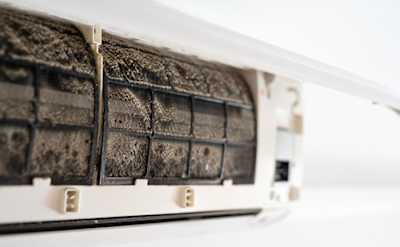
Air conditioning is a necessity for Merritt Island homeowners. With intense summer heat, heavy humidity from the Banana River and Indian River, and long warm seasons, many homes run their AC systems almost nonstop for much of the year.
But what many homeowners don’t realize is that extended AC use can actually create mold risks inside homes if moisture and airflow aren’t properly controlled.
Across neighborhoods in North Merritt Island, South Merritt Island, Sykes Creek, and canal-front communities, mold problems often appear not because the AC is failing, but because temperature and moisture conditions inside the home allow mold to thrive.
What Mold Problems Related to AC Use Really Are
Mold needs moisture, organic material, and time to grow. Extended AC use can unintentionally create moisture in hidden places, especially when cooling systems run constantly.
When cool air moves through warm, humid areas of the home, condensation forms. That moisture may build up inside walls, around vents, or within ductwork, creating perfect mold conditions.
In many Merritt Island homes, mold linked to AC use shows up in:
• Ceilings near vents
• Air ducts and air handlers
• Closets or closed rooms
• Attics and crawl spaces
• Around windows and exterior walls
Often, homeowners don’t notice anything until odors or visible spots appear.
Why This Happens So Often in Merritt Island
Merritt Island’s environment makes homes especially vulnerable to moisture problems during long AC operation.
Constant Coastal Humidity
The island’s location between major waterways keeps humidity levels high most of the year. Even when indoor air feels comfortable, moisture still exists in walls, attics, and structural spaces.
When the AC cools the home, temperature differences between inside and outside surfaces lead to condensation.
Homes Near Waterways
Properties along Sykes Creek, Banana River, and Indian River often deal with higher ambient moisture levels. Moisture can move into homes through foundations and walls, adding to indoor humidity.
AC Running All Day
During summer and storm seasons, AC systems may run nearly nonstop. Continuous cooling lowers indoor temperatures, but hidden spaces like attics or wall cavities remain warm.
The temperature difference leads to moisture formation in unseen areas.
Storm and Rainy Season Effects
After heavy rains or hurricanes, homes stay sealed while AC systems try to dry interior spaces. However, insulation, ducts, or building materials may stay damp long enough for mold to begin growing.
Common Signs Homeowners Notice
Mold related to AC operation often develops slowly and quietly.
Typical warning signs include:
• Musty odors when AC turns on
• Mold spots near vents or ceilings
• Damp or sticky indoor air
• Increased allergy-like symptoms indoors
• Condensation around windows or vents
• Dark staining near air registers
Some homeowners notice that problems worsen after extended AC use during hot weather.
Hidden or Overlooked Mold Sources
Many AC-related mold problems remain hidden until they become serious.
Air Ducts and Air Handlers
Condensation inside ductwork or air handling units allows mold to grow and spread spores throughout the home.
Dirty or poorly insulated ducts increase this risk.
Attics
Cool air leaking into hot attics causes condensation on roof decking and insulation. Mold growth in attics is extremely common in coastal homes.
Behind Walls
Exterior walls may remain warm while interior air stays cool, creating condensation inside wall cavities.
Closets and Closed Rooms
Rooms with poor airflow cool unevenly, allowing moisture to build in corners and behind furniture.
Past Moisture Damage
Old leaks or storm damage can leave hidden moisture pockets that become active again when temperatures fluctuate.
Why DIY Mold Removal Usually Fails
When mold appears, homeowners often try cleaning it themselves. Unfortunately, mold caused by AC-related moisture often returns quickly.
Common DIY mistakes include:
• Cleaning visible mold but ignoring moisture sources
• Using bleach on porous materials
• Painting over stains
• Running AC colder to try to dry air
Bleach may lighten stains but rarely removes mold embedded in drywall or wood.
Without correcting airflow or humidity issues, mold growth continues behind surfaces.
Disturbing mold without containment can also spread spores through the home.
Professional Mold Inspection & Testing Explained
A professional mold inspection focuses on identifying moisture conditions that allow mold to grow.
Inspection steps often include:
Visual Inspection
Inspectors check vents, ceilings, ducts, attics, and hidden moisture areas.
Moisture Detection Tools
Meters measure moisture behind walls or ceilings where condensation may be occurring.
Thermal Imaging
Thermal cameras reveal temperature differences causing condensation.
Air or Surface Testing
When necessary, testing confirms mold presence or evaluates indoor air quality.
Results are explained in practical, understandable terms so homeowners know exactly what is happening.
Proper Mold Removal & Remediation Process
Professional remediation addresses both mold and moisture causes.
Typical steps include:
• Containment of affected areas
• Safe removal of mold-damaged materials
• Cleaning and sanitizing remaining surfaces
• Drying and dehumidification
• Correction of condensation or airflow problems
• Preventive improvements to reduce future risk
The goal is long-term prevention, not just cleanup.
How to Prevent Mold During Extended AC Use
Merritt Island homeowners can reduce mold risks by managing moisture and airflow.
Helpful prevention tips include:
• Keep indoor humidity between 45–55%
• Avoid setting AC temperatures extremely low
• Service AC systems yearly
• Insulate ducts properly
• Ensure attic ventilation is working
• Use dehumidifiers when needed
• Keep interior doors open for airflow
• Check vents and ceilings for condensation
• Inspect homes after storms or heavy rains
Waterfront properties benefit especially from humidity monitoring devices.
Why Local Merritt Island Experience Matters
Homes across Merritt Island share environmental challenges that require local expertise.
Professionals familiar with local construction understand:
• Moisture behavior in coastal homes
• Common duct and insulation issues
• Waterfront humidity challenges
• Storm-related moisture patterns
Local companies like Mold Removal Merritt Island know how to quickly diagnose AC-related mold problems common in island homes.
A Calm Next Step for Homeowners
If your home smells musty when the AC runs or mold appears around vents or ceilings, a professional evaluation can help identify the cause before the problem spreads.
Most AC-related mold problems begin quietly and worsen over time. Early inspection prevents larger repairs and protects indoor air quality.
A professional assessment simply helps determine whether moisture or airflow adjustments are needed, giving homeowners peace of mind.
Keeping homes dry and healthy across Merritt Island starts with understanding how cooling systems interact with coastal humidity — and addressing issues before mold takes hold.