
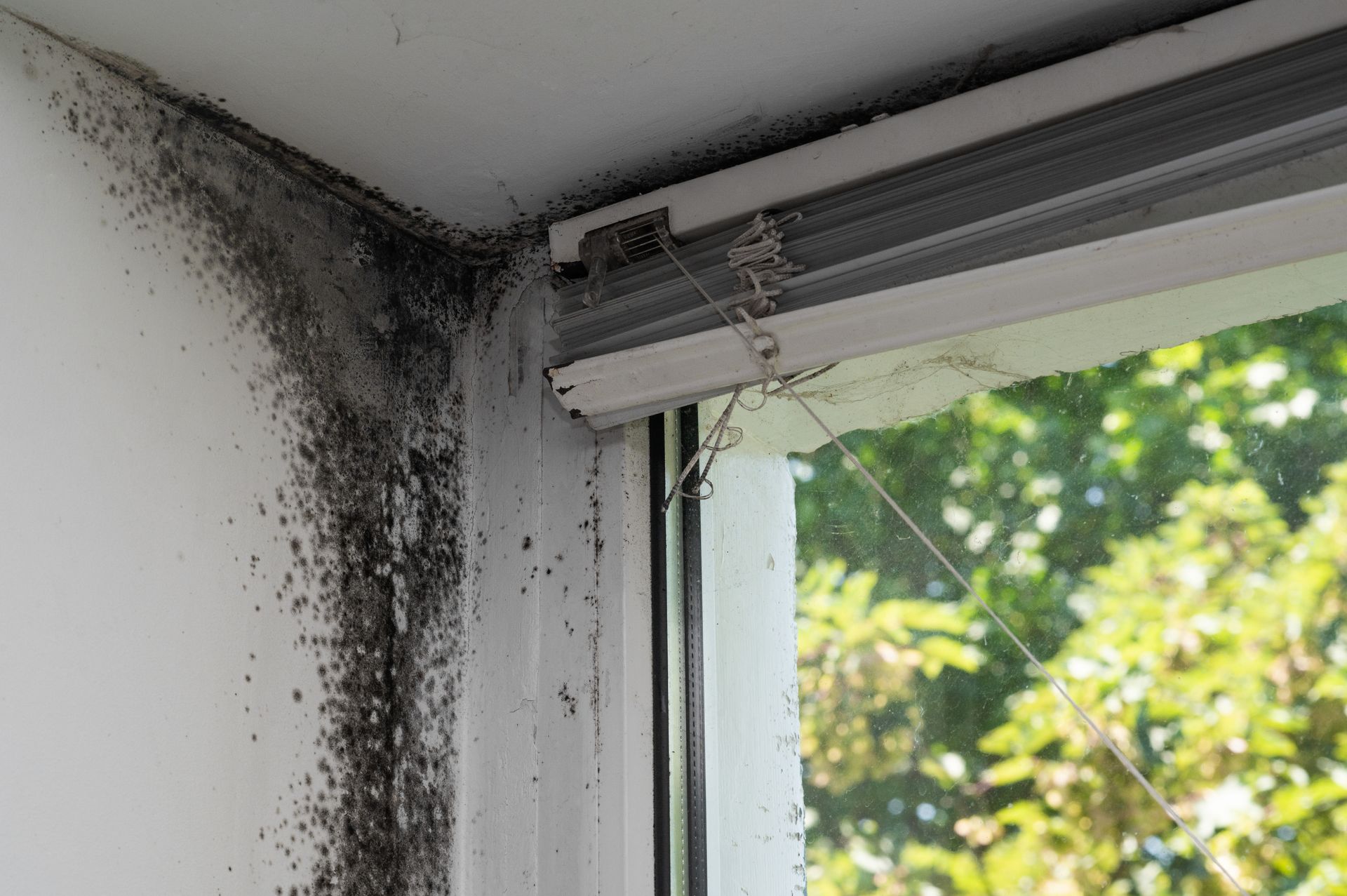
Mold Risks in Duplexes and Multi-Family Homes in Merritt Island
Duplexes, apartments, and multi-family homes are common across Merritt Island, from neighborhoods near Sykes Creek to rental communities along Banana River and throughout North and South Merritt Island. These property types provide affordable housing and investment opportunities, but they also come with unique mold risks many owners and tenants don’t fully understand.
Unlike single-family homes, multi-family buildings share walls, plumbing systems, ventilation spaces, and sometimes HVAC systems. When moisture problems develop in one unit, mold can quietly spread into neighboring units without immediate warning.
In Merritt Island’s humid coastal climate, this shared environment increases mold risks, especially when properties experience heavy AC use, storm exposure, or inconsistent maintenance between units.
Understanding how mold spreads in duplexes and multi-family buildings helps property owners and tenants protect their living spaces before minor moisture issues become building-wide problems.
What Mold Issues in Multi-Family Homes Look Like
Mold problems in duplexes and apartment buildings often begin the same way as in single-family homes — moisture builds up somewhere, and mold begins growing.
But in shared buildings, moisture doesn’t always stay confined to one space.
Common sources include:
• Plumbing leaks between units
• AC condensation issues
• Roof leaks affecting multiple apartments
• Shared attic or crawl space moisture
• Poor ventilation in bathrooms or kitchens
• Flooding or storm intrusion
Because these buildings share structural components, mold may grow inside walls or ceilings without being visible in every unit.
One tenant might see mold in a bathroom, while the neighboring tenant only notices a musty odor, unaware mold is spreading behind shared walls.
Why Mold Happens So Often in Merritt Island Multi-Family Housing
Several local factors make mold particularly common in multi-family properties here.
Coastal Humidity
Merritt Island’s location between waterways means humidity remains high much of the year. Even well-maintained buildings struggle to fully control indoor moisture levels.
When buildings cool interior air with air conditioning, moisture often condenses in hidden areas.
Older Construction in Some Areas
Some duplexes and apartment buildings across Brevard County were built decades ago and may lack modern moisture barriers, insulation standards, or ventilation improvements.
Older plumbing systems also increase leak risks.
High Occupancy and Usage
Multi-family properties often experience higher usage of plumbing, appliances, and HVAC systems compared to single-family homes.
More showers, cooking, and laundry create more indoor moisture.
Storm and Hurricane Exposure
Heavy storms and hurricanes regularly impact Merritt Island. Roof damage, siding leaks, or flooding in lower units can introduce moisture into multiple apartments simultaneously.
Sometimes damage isn’t fully dried before repairs are made, allowing mold to grow inside walls.
Common Signs Tenants or Owners Notice
Mold problems in multi-family buildings often appear in subtle ways.
Common warning signs include:
• Musty smells in hallways or units
• Mold spots in bathrooms or kitchens
• Ceiling staining from upstairs leaks
• Damp walls or peeling paint
• Increased indoor humidity
• Recurring respiratory irritation indoors
Tenants may notice symptoms even if mold is hidden inside walls or shared spaces.
Hidden Mold Sources in Duplexes and Multi-Family Buildings
Many mold problems in these buildings occur out of sight.
Shared Plumbing Walls
Bathrooms and kitchens often share plumbing walls between units. A small leak in one apartment can spread moisture into another.
Shared Attics
Roof leaks or condensation in shared attics can allow mold to spread above multiple apartments before anyone realizes there is a problem.
HVAC Systems
Some buildings use shared or closely connected HVAC systems. Mold inside ducts can distribute spores throughout multiple units.
Crawl Spaces
Ground moisture in crawl spaces often affects entire building sections rather than single units.
Laundry Rooms and Utility Spaces
Shared laundry or storage rooms often experience high humidity and poor ventilation, making them common mold hotspots.
Why DIY Mold Removal Usually Fors Multi-Family Homes
In multi-family buildings, DIY mold cleaning often treats only visible symptoms, not the real problem.
Common mistakes include:
• Cleaning mold without fixing moisture sources
• Painting over mold stains
• Using bleach on porous materials
• Ignoring leaks from neighboring units
If the moisture source remains inside shared walls or structural spaces, mold simply returns.
DIY cleaning may also disturb mold and spread spores into neighboring apartments.
Professional Mold Inspection & Testing Explained
Professional inspections in multi-family properties involve evaluating the building as a whole, not just individual apartments.
Typical inspection steps include:
Unit Inspection
Inspectors examine affected units and nearby spaces for moisture signs.
Moisture Detection
Meters and thermal imaging tools help locate hidden leaks or condensation.
Attic and Crawl Space Evaluation
Inspectors check shared spaces where moisture spreads between units.
Air or Surface Sampling
Testing may be conducted to confirm mold presence or measure airborne spore levels.
Results are explained clearly to owners or property managers so proper corrective action can be taken.
Proper Mold Removal & Remediation Process
Mold remediation in duplexes and multi-family buildings requires careful planning.
Steps often include:
• Containing affected areas
• Removing contaminated materials safely
• Cleaning remaining surfaces
• Drying structural components
• Correcting moisture or plumbing issues
• Improving ventilation or insulation
The goal is preventing mold from spreading between units.
How Property Owners and Tenants Can Prevent Mold
Prevention requires cooperation between property managers and residents.
Helpful prevention practices include:
• Reporting leaks immediately
• Running bathroom exhaust fans
• Avoiding indoor moisture buildup
• Keeping AC systems maintained
• Inspecting roofs and plumbing regularly
• Monitoring humidity levels
• Checking buildings after storms
Property managers should schedule routine inspections, especially in older buildings.
Why Local Merritt Island Experience Matters
Multi-family mold problems differ in coastal areas compared to inland regions.
Local professionals understand:
• Humidity challenges unique to island living
• Common building layouts in Merritt Island
• Waterfront moisture influences
• Storm-related building vulnerabilities
Companies such as Mold Removal Merritt Island are familiar with local construction patterns and moisture conditions, allowing quicker diagnosis and effective solutions.
A Practical Next Step for Owners and Tenants
If mold odors or visible growth appear in a duplex or apartment, early inspection helps prevent wider building damage.
Mold problems in shared buildings often spread quietly. Addressing issues early protects property value and resident comfort.
A professional inspection can identify moisture sources and help guide corrective actions, ensuring safe living conditions across all units.
Across Merritt Island, proactive attention to mold risks in multi-family housing helps both owners and tenants maintain healthier living environments.