
Mold Testing in Indian Harbour Beach: What Homeowners in Brevard County Should Know
Mold testing is one of the most misunderstood services homeowners ask about in Indian Harbour Beach. Some people believe testing is the first step any time mold is suspected. Others think it will automatically tell them whether a home is “safe” or “unsafe.” In reality, mold testing is a tool — useful in the right situations, unnecessary in others, and most effective when paired with a proper inspection.
Living along the coast means dealing with constant humidity, salt air, storms, and year-round air conditioning. These conditions make moisture problems common, and where moisture goes, mold often follows. Understanding what mold testing actually does, when it makes sense, and when it doesn’t helps homeowners avoid wasted time, money, and confusion.
What Mold Testing Actually Is
Mold testing is the process of collecting samples to identify mold presence or spore levels in a home. These samples are typically sent to a laboratory for analysis.
Testing does not fix mold. It does not stop mold growth. It does not identify the moisture source by itself. What it does is provide data that supports what’s already suspected or observed.
In Indian Harbour Beach homes, mold testing works best as part of a broader evaluation rather than a standalone solution.
Why Mold Testing Is Commonly Requested
Homeowners often request mold testing because something feels wrong, but nothing obvious is visible.
Musty odors that won’t go away, allergy-like reactions without a clear source, or concerns after water damage are common reasons. Real estate transactions are another major driver, especially when buyers want documentation before closing.
Testing is also requested when mold is suspected inside walls, attics, or HVAC systems where visual confirmation is difficult.
Mold Testing vs Mold Inspection
This distinction matters.
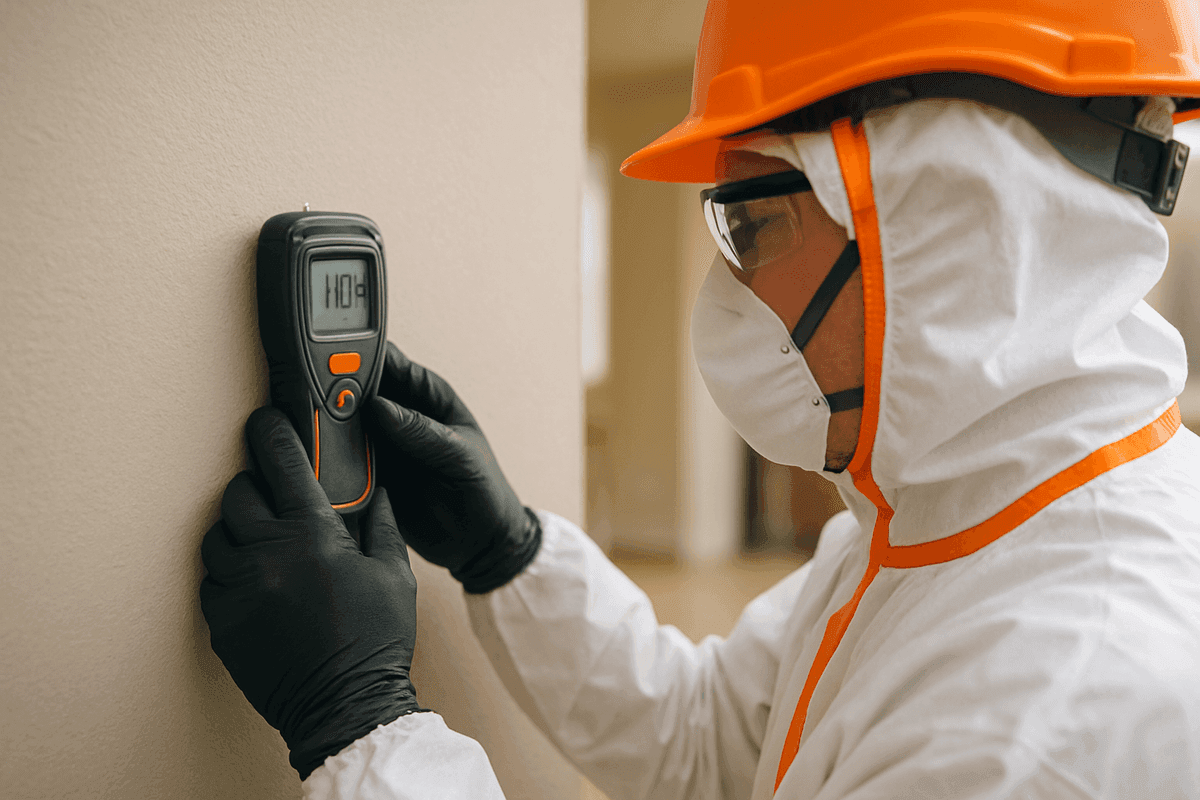
A mold inspection focuses on moisture — where it’s coming from, where it’s going, and how it’s affecting the home. Inspectors look at HVAC systems, attics, bathrooms, walls, ceilings, and areas with past water damage.
Mold testing collects samples. Without an inspection, testing often raises more questions than it answers.
In coastal Brevard County homes, moisture behavior tells the real story. Testing only makes sense once moisture conditions are understood.
Types of Mold Testing Commonly Used
Air sampling is one of the most common methods. Air samples are collected inside and sometimes outside the home to compare spore levels. This can help identify whether indoor conditions differ from normal outdoor levels.
Surface sampling involves swabs or tape lifts from visible mold or suspected areas. This helps confirm that a substance is mold and identifies general categories.
Bulk samples may be taken from materials like drywall or insulation in certain situations, usually during remediation planning or documentation.
Each method serves a different purpose. No single test answers everything.
When Mold Testing Makes Sense
Mold testing is useful when mold is suspected but not visible. For example, when odors persist or moisture is known to be present behind walls or above ceilings.
It’s also helpful when documentation is needed, such as during real estate transactions or insurance-related situations.
Testing can support decision-making when homeowners want confirmation before moving forward with remediation or repairs.
In Indian Harbour Beach homes, testing is most valuable when paired with moisture detection and professional evaluation.
When Mold Testing Is Often Unnecessary
If mold is clearly visible and the moisture source is obvious, testing usually adds little value. Mold is present — the priority is fixing moisture and addressing the affected materials.
Testing is also unnecessary if the results won’t change the next step. For example, if mold-damaged drywall must be removed regardless of species, testing won’t alter that plan.
In many Florida homes, focusing on moisture control is far more productive than focusing on lab results.
Why Test Results Can Be Misleading Without Context
Mold spores are everywhere, especially in coastal Florida. Outdoor air often contains high spore levels, which can influence indoor readings.
A lab report without interpretation can cause unnecessary concern. Numbers alone don’t explain where mold is growing, why it’s there, or what should be done next.
This is why testing should never be done in isolation. Results need context to be meaningful.
HVAC Systems and Mold Testing
HVAC systems are a common concern in Indian Harbour Beach homes. Condensation inside air handlers, drain pans, ductwork, and insulation can support mold growth.
Air sampling near vents or inside systems can help support findings when HVAC-related mold is suspected. Surface sampling may also be used on internal components.
However, even here, identifying condensation and drainage issues matters more than the test itself.
Mold Testing After Water Damage
After leaks or storms, homeowners often ask whether mold testing is needed immediately.
In most cases, the priority is drying and moisture verification. Testing before drying is complete can produce confusing results because spores may be temporarily elevated.
Once drying is complete, testing may be helpful if odors persist or hidden moisture is suspected.
Timing matters when it comes to meaningful results.
The Role of Mold Testing in Real Estate
Real estate transactions are one of the most common reasons for mold testing requests in Indian Harbour Beach.
Buyers want reassurance. Sellers want documentation. Agents want clarity.
In these cases, testing is often used to support inspection findings rather than replace them. A clear explanation of results is critical to prevent misunderstandings that could delay or derail a sale.
Why DIY Mold Test Kits Often Cause Confusion
Store-bought mold test kits are widely available, but they rarely provide useful answers.
Most simply show that mold exists — which is already known in Florida air. They don’t identify moisture sources, scope, or next steps.
Without professional interpretation, these kits often create unnecessary worry rather than clarity.
How Professionals Use Mold Testing Properly
Professional mold inspectors use testing strategically. Samples are collected based on building conditions, moisture findings, and specific concerns.
Results are interpreted alongside visual observations and moisture data. This approach helps ensure that test results support real-world decisions.
Brevard Mold Inspections & Removal uses mold testing when it adds value, not as a default step.
What Mold Testing Does Not Do
Mold testing does not determine health effects. It does not predict future mold growth. It does not replace moisture control.
It also does not mean a home is “unsafe” simply because mold is detected. Mold presence is common in Brevard County — understanding why it’s present is what matters.
Preventing Mold Beyond Testing
Long-term prevention focuses on moisture management.
Regular HVAC maintenance, proper ventilation, prompt leak repairs, and indoor humidity control reduce mold risk far more than repeated testing.
After storms, checking attics, ceilings, and HVAC systems helps catch moisture early.
Testing can confirm a concern, but prevention keeps it from returning.
Why Local Experience in Brevard County Matters
Mold testing in Indian Harbour Beach is shaped by coastal humidity, salt air, slab foundations, and constant AC use. Generic advice often doesn’t apply here.
Local experience helps interpret results realistically and recommend practical next steps that work in this climate.
A Clear, Practical Takeaway
Mold testing is a useful tool — when used correctly. It works best when paired with a professional inspection and a focus on moisture conditions.
If you’re unsure whether testing is needed, that uncertainty alone is a good reason to seek professional guidance. Clear information prevents unnecessary worry and helps homeowners move forward confidently.
Homeowners across Brevard County benefit from understanding when mold testing helps and when it doesn’t. Brevard Mold Inspections & Removal helps homeowners evaluate mold concerns, interpret results clearly, and focus on solutions that protect their homes long-term.
In coastal Florida, the goal isn’t chasing test numbers. It’s understanding moisture — and controlling it effectively.