
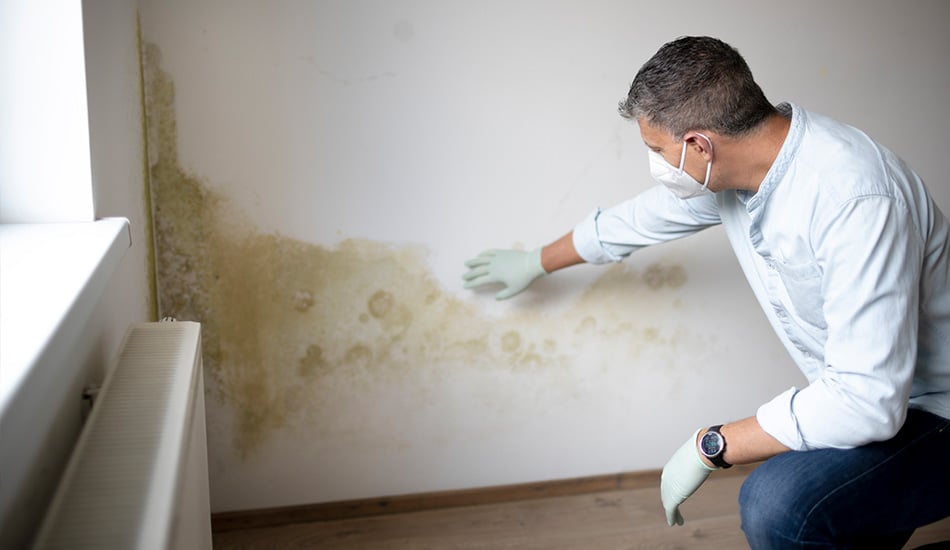
Mold Testing in Palm Bay: What Homeowners in Brevard County Should Know
In Palm Bay and throughout Brevard County, mold concerns are something many homeowners eventually encounter. High humidity, heavy summer rains, hurricanes, plumbing leaks, and air-conditioning issues all create conditions where mold can grow inside homes.
Often, homeowners start asking about mold testing after noticing musty smells, ceiling stains, or lingering dampness indoors. Others request testing when buying or selling a home, or after water damage repairs to confirm everything dried properly.
But mold testing can be confusing. Some people assume testing automatically means there is a serious problem, while others wonder if it’s even necessary. Understanding how mold testing works and when it helps can give homeowners clarity and peace of mind.
What Mold Testing Actually Does
Mold testing is used to determine whether mold spores are present indoors at higher-than-normal levels and, in some cases, identify the types of mold present.
Testing is often recommended when:
• Musty smells are present but mold isn’t visible
• There has been water damage or flooding
• Indoor air quality concerns arise
• Homebuyers want reassurance before purchase
• Mold remediation has been completed and needs confirmation
• Homeowners suspect hidden mold growth
It’s important to understand that mold testing does not remove mold. Instead, it helps determine whether mold may be present and whether further investigation or remediation is needed.
In many Florida homes, mold grows in hidden spaces where it cannot be seen, making testing a helpful diagnostic tool.
Why Mold Testing Is Common in Palm Bay Homes
Palm Bay homes face environmental conditions that naturally increase mold risks.
High Humidity Levels
Florida’s humidity remains high most of the year, allowing moisture to accumulate indoors if ventilation or AC systems struggle.
Frequent Storms and Hurricanes
Storm systems often impact Palm Bay, allowing wind-driven rain to enter homes through roofs or windows.
Air Conditioning Dependence
AC systems remove moisture, but clogged condensate lines or equipment failures often lead to hidden leaks.
Slab Foundation Construction
Many homes sit on slab foundations, trapping moisture beneath flooring after leaks or flooding.
Rapid Community Growth
Palm Bay has grown quickly, and newer homes sometimes experience ventilation or drainage adjustments after construction.
Even homes without visible leaks may develop mold when humidity remains elevated.
Signs Homeowners Notice Before Requesting Testing
Homeowners often request testing after noticing changes in their home environment.
Common warning signs include:
• Persistent musty odors
• Rooms feeling damp or humid
• Ceiling or wall staining
• Peeling paint or bubbling drywall
• Warped flooring or baseboards
• Mold spots appearing repeatedly
• Allergy-like irritation indoors
Sometimes testing is requested simply for reassurance after storm damage or repairs.
Testing helps clarify whether mold is likely present.
Where Mold Often Hides in Florida Homes
Mold frequently grows in concealed areas, making testing helpful when problems are suspected.
Behind Walls
Plumbing leaks or storm intrusion soak insulation and drywall inside wall cavities.
Under Flooring
Flooding or appliance leaks allow moisture to remain trapped beneath flooring materials.
Attics
Roof leaks or ventilation problems often allow mold growth above ceilings.
HVAC Systems
Moisture inside air handlers or ducts may circulate mold spores throughout the home.
Kitchens and Bathrooms
Leaks behind cabinets or under sinks may remain unnoticed.
Professional inspections throughout Brevard County often uncover mold beyond visible areas.
Why DIY Mold Test Kits Often Cause Confusion
Many homeowners purchase DIY mold test kits online hoping for simple answers, but results often create confusion.
Common problems with DIY kits include:
• Mold spores naturally exist everywhere
• Petri dish tests often grow mold even in clean homes
• Results lack professional interpretation
• Moisture sources remain unidentified
• Hidden mold remains undetected
Professional testing compares indoor air samples with outdoor air to determine whether indoor levels are elevated.
Without comparison data, results are often misleading.
How Professional Mold Testing Works
Professional mold testing is usually part of a broader inspection process.
A professional inspection may include:
Visual Assessment
Inspectors examine moisture-prone areas and look for visible signs of mold or water intrusion.
Moisture Detection
Specialized equipment identifies moisture trapped behind walls or floors.
Air Sampling
Air samples are collected indoors and outdoors for comparison.
Surface Sampling
If visible mold is present, surface samples may be taken.
Laboratory Analysis
Samples are analyzed by labs to identify mold types and concentration levels.
Results help determine whether indoor mold levels are abnormal.
What Happens If Mold Levels Are Elevated
If testing indicates elevated mold levels, the next step is identifying the moisture source allowing mold to grow.
Proper remediation focuses on:
• Correcting water or humidity problems
• Removing contaminated materials when necessary
• Cleaning structural areas
• Filtering indoor air
• Preventing future moisture buildup
Mold removal succeeds only when moisture issues are corrected.
Many Palm Bay homes require only targeted repairs when problems are discovered early.
How Homeowners Can Reduce Mold Risks
Florida’s climate cannot be changed, but homeowners can reduce mold risks with consistent maintenance.
Helpful steps include:
• Maintain AC systems regularly
• Keep condensate drain lines clear
• Repair plumbing leaks quickly
• Inspect roofs after storms
• Use dehumidifiers when needed
• Vent bathrooms and kitchens properly
• Inspect homes after hurricanes or heavy rain
• Monitor indoor humidity levels
Small preventive steps help avoid larger mold problems.
Why Local Experience Matters in Mold Testing
Mold behavior in Florida homes differs from that in drier climates. Local inspectors understand how moisture moves through Brevard County construction.
Homes in Palm Bay, Melbourne, Rockledge, Merritt Island, Cocoa, Titusville, Satellite Beach, Viera, and Cape Canaveral commonly face:
• Coastal humidity exposure
• Hurricane intrusion risks
• Slab foundation moisture retention
• Attic heat and condensation issues
• Heavy AC usage
Local experience helps professionals identify mold risks quickly.
Brevard Mold Inspections & Removal works throughout Brevard County helping homeowners identify hidden moisture problems before they become major repairs.
A Calm Next Step for Palm Bay Homeowners
If your home smells musty, recently experienced water intrusion, or simply feels more humid than usual, professional mold testing can help provide answers.
Most mold concerns remain manageable when addressed early. Testing helps homeowners understand whether further action is needed and what steps may follow.
If concerns arise, professional guidance helps homeowners protect their home and indoor comfort moving forward.
Addressing moisture issues early helps keep homes healthier and easier to maintain in Brevard County’s humid climate.