
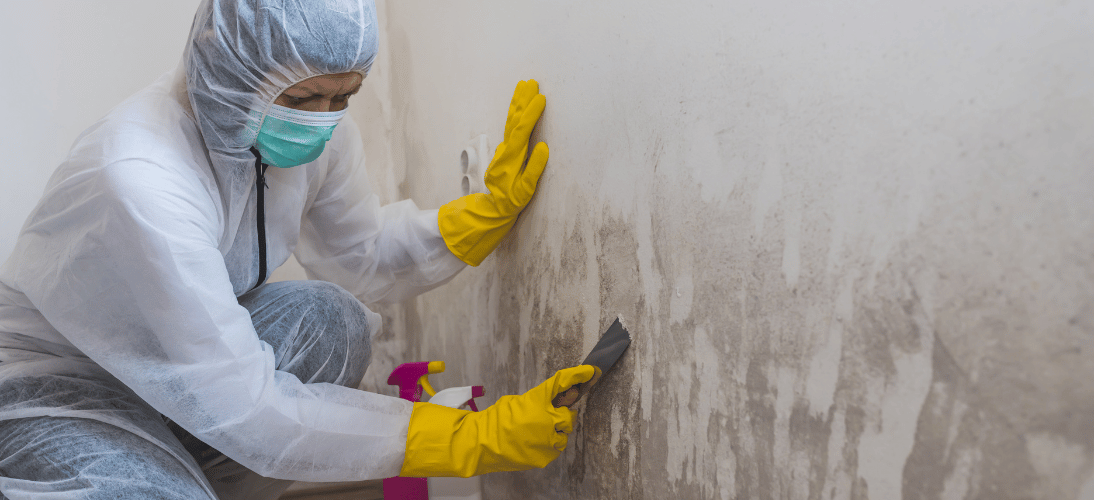
Mold Testing in Palm Bay: What Homeowners in Brevard County Should Know
In Palm Bay and across Brevard County, many homeowners first start worrying about mold when they notice a musty smell, recurring stains, or persistent humidity inside their homes. After discovering possible mold, one of the most common questions becomes: Should I get mold testing done?
Mold testing can be helpful in certain situations, but many homeowners are unsure when it’s necessary or what it actually reveals. Florida’s warm and humid environment makes mold concerns common, and understanding how mold testing works helps homeowners make informed decisions without unnecessary stress.
Across Palm Bay, Melbourne, Cocoa, and surrounding communities, mold inspections and testing often reveal that moisture problems started quietly long before mold became visible. Knowing when testing is useful — and when it may not be needed — helps homeowners address mold concerns effectively.
Here’s what homeowners in Palm Bay and throughout Brevard County should know about mold testing.
What Mold Testing Actually Measures
Mold testing does not remove mold or fix moisture problems. Instead, testing helps determine whether mold spores are present at elevated levels indoors compared to normal outdoor conditions.
Testing typically measures:
• Mold spores in indoor air
• Mold spores outdoors for comparison
• Mold spores on surfaces
• Areas where mold may be hidden
Because mold spores exist everywhere naturally, testing helps determine whether indoor conditions show unusual mold levels.
In many Palm Bay homes, testing confirms mold presence after moisture problems, helping homeowners understand the extent of contamination.
Why Mold Testing Is Often Requested
Homeowners usually request mold testing when they suspect mold but cannot find visible growth.
Common reasons homeowners request testing include:
• Musty odors with no visible mold
• Recent water damage concerns
• Mold returning after cleanup
• Buying or selling a home
• Tenant complaints in rental properties
• Wanting reassurance indoor air is normal
In inspections across Rockledge and Merritt Island, testing often provides clarity when moisture problems aren’t obvious.
Testing helps confirm or rule out concerns.
Why Mold Is Common in Palm Bay Homes
Palm Bay homes face environmental conditions that support mold growth throughout the year.
High Humidity Levels
Humidity often stays above levels where mold thrives.
Frequent Rain and Storms
Heavy rainfall and storms sometimes introduce moisture into homes.
AC System Condensation
Air conditioning systems remove humidity but sometimes leak or cause moisture buildup.
Slab Foundation Construction
Moisture sometimes moves upward into flooring materials.
Older Roofs or Windows
Small leaks allow moisture to enter unnoticed.
Because moisture problems are common, mold testing often follows water intrusion events.
Signs Mold Testing May Be Helpful
Not every mold situation requires testing, but it can help when uncertainty exists.
Testing may be useful when:
• Persistent odors exist without visible mold
• Mold keeps returning after cleaning
• Water damage recently occurred
• Homebuyers want inspection reassurance
• Tenants report mold concerns
• Health sensitivity concerns are raised
In homes across Cocoa and Titusville, testing often confirms mold presence when homeowners suspect hidden problems.
Testing provides information, but moisture correction remains the real solution.
Areas Mold Testing Often Investigates
Testing often focuses on areas where mold is suspected but not visible.
Common locations include:
Bedrooms or Living Areas with Odors
Air samples help determine if mold spores are present.
HVAC Systems
Airflow sometimes spreads mold spores.
Attics
Roof leaks may lead to hidden mold above ceilings.
Crawl Spaces
Moisture beneath homes sometimes affects indoor air.
Walls After Plumbing Leaks
Moisture inside walls sometimes leads to mold growth.
Homes across Brevard County often show hidden mold growth discovered after testing points inspectors toward moisture sources.
Types of Mold Testing Used in Homes
Professional mold testing typically involves one or more methods.
Air Sampling
Air samples are collected indoors and outdoors to compare mold spore levels.
Surface Sampling
Swabs or tape samples collect mold from surfaces for lab identification.
Bulk Sampling
Small pieces of contaminated materials are analyzed in laboratories.
Laboratory analysis helps determine mold types present and whether levels are elevated compared to outdoor air.
Limitations of Mold Testing Homeowners Should Know
Testing can be useful, but it has limitations.
Important considerations include:
• Mold spores are always present in air
• Results vary depending on timing and airflow
• Testing does not identify moisture sources
• Mold may exist even if tests are normal
• Cleanup decisions usually depend on visible conditions
Many professional inspectors rely more heavily on moisture detection than testing alone.
Testing supports inspections but does not replace them.
Why Moisture Detection Matters More Than Testing
Mold testing identifies spores, but mold growth only happens where moisture exists.
Professional inspections focus heavily on finding moisture using:
• Moisture meters
• Thermal imaging cameras
• HVAC inspections
• Attic and crawl space checks
If moisture is corrected, mold usually stops growing.
Homes in Melbourne and Palm Bay often show moisture problems that testing alone would not fully explain.
What Happens After Mold Testing
After testing, homeowners receive lab results showing mold spore types and concentrations.
Possible outcomes include:
Normal Mold Levels
Indoor levels similar to outdoor air.
Elevated Indoor Mold Levels
Indicating possible indoor mold growth.
Specific Mold Identified
Helping inspectors locate likely sources.
If elevated levels are found, inspections typically follow to locate moisture sources and recommend solutions.
Companies like Brevard Mold Inspections & Removal often help homeowners interpret results and decide next steps.
Many testing results lead to manageable solutions.
How Mold Remediation May Follow Testing
When testing confirms mold growth, remediation may be recommended depending on severity.
Remediation may include:
Containment Setup
Preventing mold spores from spreading.
Removal of Damaged Materials
Wet drywall or insulation may need replacement.
Professional Cleaning
Remaining materials are cleaned safely.
Moisture Correction
Leaks or humidity problems are repaired.
Final Verification
Ensures mold levels return to normal.
The goal is eliminating conditions that allow mold to grow.
Preventing Mold Growth After Testing
Regardless of testing results, prevention focuses on moisture control.
Helpful prevention steps include:
• Keeping indoor humidity below 55%
• Maintaining HVAC systems regularly
• Repairing leaks quickly
• Inspecting homes after storms
• Monitoring previously wet areas
• Checking attics and crawl spaces periodically
Homes near coastal areas benefit from extra humidity monitoring.
Prevention reduces future mold concerns.
Why Local Experience Matters in Mold Testing
Florida homes experience mold challenges differently than homes in cooler climates.
Local professionals understand:
• Coastal humidity patterns
• Hurricane-related moisture intrusion
• Slab foundation moisture movement
• AC condensation challenges
• Construction styles common in Brevard County homes
Solutions must match Florida’s environment to prevent recurring mold problems.
Local expertise helps homeowners receive accurate guidance.
A Practical Next Step for Palm Bay Homeowners
Mold concerns can feel overwhelming, especially when odors or moisture problems appear unexpectedly. Fortunately, most mold issues are manageable when addressed early.
If your Palm Bay home has persistent odors, recent water damage, or unexplained moisture concerns, professional inspection and testing can help determine whether mold is present and what steps are needed.
Many homeowners simply want reassurance their homes are dry and safe.
Brevard Mold Inspections & Removal assists homeowners across Palm Bay and throughout Brevard County in identifying mold concerns and recommending practical next steps.
Addressing moisture early protects homes, prevents costly repairs, and keeps living spaces comfortable in Florida’s humid climate.
When mold concerns arise, checking conditions early often prevents bigger problems later.