
Mold Testing in Palm Bay: What Homeowners in Brevard County Should Know
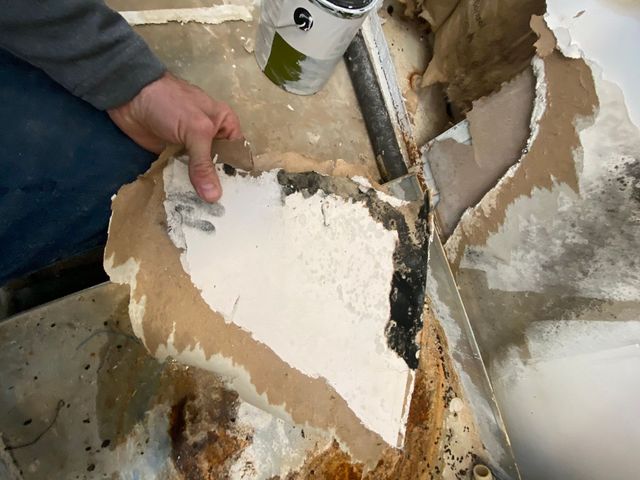
Mold testing answers a question that many homeowners struggle with: Is there actually a mold problem here, or is it just humidity or a smell? In Palm Bay homes, testing often provides clarity when visual inspections alone don’t tell the full story. Mold can exist in the air long before it appears on walls or ceilings, which is why testing plays such an important role in identifying hidden issues.
I’ve walked into homes where everything looked perfectly clean, yet air sampling revealed elevated mold levels linked to hidden moisture. Ever notice how some rooms smell musty even though you can’t see mold anywhere? Testing often explains those situations.
Let’s take a clear look at how mold testing works, when it helps most, and what homeowners in Brevard County should know.
What Mold Testing Actually Measures
Many homeowners assume mold testing looks for visible mold, but that’s not the main purpose. Mold testing focuses on the air people breathe every day.
Professional mold testing commonly evaluates:
- Airborne mold spore levels
- Indoor versus outdoor comparisons
- Possible signs of hidden mold growth
This information helps determine whether mold levels inside the home exceed normal background levels found outdoors.
Rhetorical question time: if mold spores exist naturally in the environment, how do you know when levels are too high? Testing provides that answer.
Why Mold Isn’t Always Visible
One of the biggest reasons mold testing matters is that mold often grows in hidden areas.
In Palm Bay homes, mold frequently develops:
- Behind drywall after minor leaks
- Inside HVAC systems and ductwork
- Under flooring affected by moisture
- In attics or crawl spaces
These areas can release spores into the air without showing visible signs in living spaces.
IMO, hidden mold affects indoor air quality far more often than visible mold does.
When Mold Testing Is Most Helpful
Testing isn’t necessary in every situation, but it becomes useful when certain conditions appear.
Homeowners often consider testing when:
- Musty odors persist
- Mold returns after cleaning
- Allergy-like symptoms occur indoors
- A home experienced past water damage
Testing helps confirm whether mold levels are elevated and whether further inspection or remediation may be needed.
FYI, odors are one of the most common reasons homeowners schedule testing.
The Difference Between Mold Testing and Mold Inspection
Mold inspection and mold testing work together but serve different purposes.
Mold inspection identifies:
- Moisture sources
- Visible mold growth
- Areas at risk
Mold testing determines:
- Airborne mold levels
- Whether indoor levels exceed normal conditions
Inspection finds the source. Testing measures exposure.
Together, they provide the clearest understanding of what’s happening inside a home.
How Mold Testing Works
Professional mold testing usually involves collecting air samples from inside the home and comparing them to samples taken outdoors. The samples are then analyzed to determine spore types and concentrations.
Testing may also include:
- Surface sampling in specific areas
- Moisture measurements
- Humidity readings
These steps help determine whether mold growth exists and how widespread it may be.
Ever notice how two rooms in the same home can smell completely different? Testing often helps explain those differences.
The Role of HVAC Systems in Mold Testing
HVAC systems play a major role in indoor air quality. When mold develops inside air handlers or ducts, spores can circulate throughout the home.
Testing often helps identify:
- Elevated airborne mold levels
- Patterns suggesting HVAC involvement
- Possible hidden growth inside systems
This is why some homeowners notice odors strongest when the air conditioner starts.
HVAC systems move air constantly, and mold spores move with it.
Why Humidity Matters in Palm Bay Homes
Palm Bay’s warm, humid climate creates conditions where mold can develop more easily than in cooler or drier regions.
Humidity contributes to:
- Condensation on vents and windows
- Damp materials inside walls
- Slow drying after minor leaks
Even without visible water damage, humidity alone can allow mold to grow.
Ever notice how closets or storage areas sometimes feel damp? That’s humidity creating ideal conditions for mold.
What Mold Testing Results Mean
Mold testing results typically compare indoor air to outdoor air. Since mold spores exist naturally outdoors, the goal is to determine whether indoor levels are significantly higher.
Results may indicate:
- Normal background levels
- Elevated levels suggesting hidden growth
- Specific mold types present
These findings help guide decisions about inspection, removal, or remediation.
Testing doesn’t diagnose structural damage—it provides data to support informed decisions.
Mold Removal and Remediation After Testing
If testing shows elevated mold levels, the next step usually involves inspection and remediation.
Typical remediation steps may include:
- Removing mold-damaged materials
- Cleaning affected surfaces
- Correcting moisture sources
- Improving ventilation or airflow
Containment and air filtration may also be used to prevent spores from spreading during removal.
The goal is to restore indoor air quality and prevent mold from returning.
Preventing Mold Problems After Testing
Testing often reveals conditions that can be corrected before mold becomes severe.
Homeowners in Palm Bay can reduce mold risk by:
- Maintaining HVAC systems regularly
- Monitoring indoor humidity
- Repairing leaks promptly
- Ensuring proper ventilation
These steps help control moisture, which is the key factor behind mold growth.
Ever notice how homes with balanced humidity rarely develop musty smells? Moisture control makes the biggest difference.
Why Early Testing Saves Time and Money
One consistent lesson from inspections is that early testing helps identify problems before they spread.
When mold issues are caught early:
- Remediation remains limited
- Air quality improves faster
- Repairs stay smaller
Waiting allows mold to spread into hidden materials, increasing both cost and repair time.
Maintenance and early detection almost always cost less than restoration.
Final Thoughts
Mold testing in Palm Bay homes provides valuable information about indoor air quality and hidden mold conditions. Because mold often develops out of sight, testing helps homeowners understand what’s really happening and take action before problems become extensive.
When testing, inspection, and moisture control work together, homeowners gain clarity, protect indoor air quality, and prevent mold from becoming a long-term issue.