
Mold Testing in Palm Bay: What Homeowners in Brevard County Should Know
For homeowners in Palm Bay, mold testing is often less about panic and more about clarity. Florida’s climate makes moisture a constant companion, and where moisture lingers, mold can follow. Many Palm Bay homeowners seek mold testing not because they see obvious growth, but because something feels off—a lingering odor, a past leak, or uncertainty after a storm.
Mold testing, when used appropriately, helps answer important questions. Is mold present? How widespread might it be? And does the situation require professional remediation or simply better moisture control? Understanding how mold testing fits into the bigger picture can help homeowners make confident, informed decisions.
Understanding Mold in Palm Bay Homes
Mold is a naturally occurring organism found everywhere in the environment. Outdoors, it’s normal and expected. Indoors, mold becomes an issue when excess moisture allows it to grow on building materials.
In Palm Bay homes, mold commonly affects drywall, wood framing, insulation, flooring, and HVAC components. Flooding is not required. High humidity, condensation, or small, slow leaks are often enough.
Because mold frequently develops behind walls, above ceilings, or inside air systems, homeowners may not see it right away. Mold testing is often used to confirm concerns when visible signs are limited or unclear.
Why Mold Concerns Are Common in Palm Bay and Brevard County
Palm Bay’s location within Brevard County places it squarely in Florida’s high-humidity zone.
Outdoor humidity remains elevated most of the year, even during winter. When humid air enters a home and becomes trapped, moisture builds up in materials that don’t dry easily.
Palm Bay also experiences heavy rainfall, seasonal storms, and hurricane impacts. Roof leaks, window intrusion, and wind-driven rain can introduce moisture that may go unnoticed at first. Many homes in the area are built on slab foundations, which can trap moisture beneath flooring after leaks or water intrusion.
Air conditioning systems add another layer of complexity. While AC units remove humidity from indoor air, condensation lines, drain pans, and ductwork can malfunction. In newer, tightly sealed homes, reduced natural airflow can allow humidity to linger if ventilation is not properly balanced.
Situations Where Mold Testing Is Commonly Requested
Mold testing in Palm Bay is often requested in specific scenarios rather than as a routine step.
Homebuyers and sellers frequently request testing during real estate transactions, especially when a property has a history of water damage or musty odors.
Homeowners may seek testing after a roof leak, plumbing issue, or storm-related water intrusion, even if repairs were made. Testing helps confirm whether moisture led to mold growth behind the scenes.
Persistent odors with no visible source are another common reason. Mold testing can help determine whether hidden growth may be contributing to the smell.
Some homeowners simply want peace of mind when they know their home has experienced high humidity or past moisture issues.
Visible and Subtle Signs That Lead to Testing
Sometimes mold testing follows visible clues.
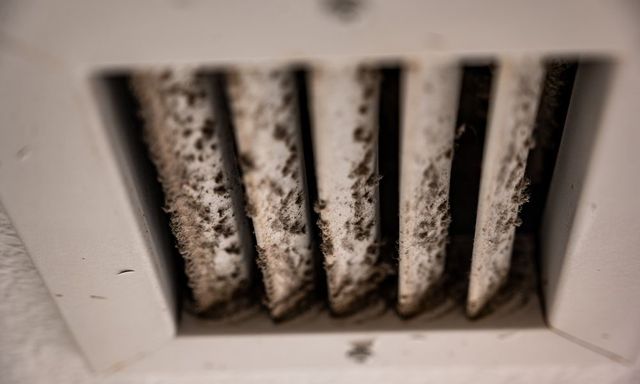
Discoloration on ceilings, walls, baseboards, or near air vents can raise concerns, even if the area looks dry. Bathrooms, laundry rooms, and kitchens are common areas due to frequent moisture use.
More often, homeowners notice indirect signs. A musty or earthy odor that comes and goes with the air conditioning is one of the most common reasons Palm Bay homeowners request testing.
Physical changes such as bubbling paint, warped flooring, or soft drywall can also suggest prolonged moisture exposure, prompting further investigation.
Hidden Mold Sources Often Identified Through Testing
Mold testing is frequently used when growth is suspected but not visible.
Behind walls, small plumbing leaks or roof penetrations can allow moisture to saturate drywall and insulation without surface damage. Under flooring, trapped moisture from appliance leaks or minor flooding can create conditions for mold growth.
Attics are another common concern. Heat buildup, roof leaks, and ventilation issues can create mold-friendly conditions even when living areas appear unaffected.
HVAC systems can also be a hidden source. Condensation problems inside air handlers or ductwork can allow mold to develop and circulate throughout the home.
What Mold Testing Actually Involves
Mold testing is not a one-size-fits-all process. It typically begins with a professional assessment of whether testing is appropriate for the situation.
When testing is performed, it may include air sampling, surface sampling, or both. Air samples help compare indoor mold levels to outdoor conditions, while surface samples help identify visible or suspected growth.
Samples are sent to an independent laboratory for analysis. The lab identifies mold types and concentrations, providing objective data rather than assumptions.
It’s important to understand that mold testing does not fix a problem on its own. Its purpose is to provide information that guides next steps.
Companies like Brevard Mold Inspections & Removal use testing as part of a broader evaluation, helping homeowners understand what the results actually mean for their specific home.
Common Misunderstandings About Mold Testing
One common misconception is that mold testing is always required. In some cases, visible mold and clear moisture sources make testing unnecessary.
Another misunderstanding is that testing alone solves a mold problem. Testing provides information, but moisture correction and proper remediation are what address the issue.
Homeowners sometimes expect lab results to indicate whether mold is “dangerous.” In reality, results help identify conditions and guide appropriate responses rather than serve as a health diagnosis.
How Mold Testing Fits Into Proper Remediation
When mold testing indicates a problem, the focus shifts to addressing both the mold and the moisture source.
Remediation plans may involve containment, removal of affected materials, and cleaning of impacted areas. Just as important is correcting the underlying moisture issue, whether it involves plumbing repairs, roof work, HVAC adjustments, or ventilation improvements.
Testing may also be used after remediation to confirm that conditions have returned to normal, depending on the situation.
Preventing Mold Issues in Palm Bay Homes
Preventing mold in Palm Bay starts with managing moisture.
Regular air conditioning maintenance helps prevent condensation problems. Drain lines should be kept clear, filters replaced, and indoor humidity monitored.
Bathrooms and laundry rooms should have working exhaust fans that vent outdoors. After storms, homeowners should inspect ceilings, windows, and flooring for early signs of leaks.
Attics benefit from proper ventilation and insulation to reduce heat and moisture buildup.
Addressing moisture early is far easier and less costly than dealing with advanced mold growth.
Why Local Experience Matters for Mold Testing
Mold testing is most effective when performed by professionals who understand local conditions.
Palm Bay homes face unique challenges related to humidity, storm exposure, slab foundations, and Florida-specific HVAC systems. Local experience helps ensure testing is used appropriately and interpreted correctly.
Professionals familiar with Brevard County know where mold is most likely to develop and how to evaluate results in context.
A Practical Next Step for Palm Bay Homeowners
If you’re concerned about mold or want clarity after a leak, storm, or unexplained odor, mold testing can provide valuable insight when used correctly.
A professional evaluation helps determine whether testing is needed and how results should be interpreted. With accurate information and local knowledge, homeowners can make informed decisions about their property with confidence.