
Mold Testing in Titusville: What Homeowners in Brevard County Should Know
Homeowners in Titusville often ask the same question when mold concerns come up: Do I need mold testing, or can I just clean what I see? In Brevard County’s humid climate, that question matters more than many people realize. Mold testing isn’t always necessary—but when it is, it can provide valuable clarity that visual inspections alone can’t.
Titusville homes face a mix of inland humidity, seasonal storms, aging construction, and year-round air conditioning. These conditions make it easy for mold to develop quietly, especially in hidden areas. Understanding what mold testing actually does, when it’s useful, and how results should be interpreted helps homeowners make informed decisions instead of guessing.
What Mold Testing Really Means
Mold testing is not about finding “good” or “bad” mold.
It’s a method used to measure and document mold conditions inside a home. Testing helps determine whether mold is present, where it may be coming from, and whether indoor levels appear elevated compared to normal outdoor conditions.
In Titusville homes, mold testing is most useful when mold is suspected but not clearly visible, or when homeowners need documentation for specific reasons such as real estate transactions or insurance discussions.
Testing should support an inspection—not replace it.
Why Mold Testing Is Common in Titusville
Brevard County experiences high humidity most of the year, and Titusville is no exception. Even without coastal exposure, warm air and frequent rainfall create moisture conditions that support mold growth.
Many homes in Titusville are older and may have:
- Aging plumbing
- Older HVAC systems
- Less effective ventilation
- Previous storm or water damage
Mold testing is often requested when musty odors persist, humidity feels excessive, or past water issues raise concerns about hidden growth.
Situations Where Mold Testing Makes Sense
Mold testing is most helpful in specific scenarios.
If you smell mold but can’t see it, testing may help confirm whether mold is present in the air. This is common when growth is hidden behind walls, under flooring, or inside HVAC systems.
During home buying or selling, testing provides objective documentation that helps avoid disputes or uncertainty.
After water damage or storms, testing can help determine whether mold developed during the drying process—especially if drying was delayed due to power outages or humidity.
In rental properties or shared buildings, testing can help clarify conditions when multiple units are involved.
When Mold Testing Is Often Not Necessary
Testing is not required in every situation.
If mold is clearly visible and the moisture source is obvious, testing may not add meaningful information. Visible mold on drywall caused by a known leak usually points to the same next step: moisture correction and proper removal.
Testing should never delay addressing active water intrusion. Moisture control always comes first.
A professional inspection helps determine whether testing will be useful or unnecessary.
Types of Mold Testing Commonly Used
Mold testing typically falls into two categories.
Air sampling measures mold particles in the air. Samples are usually collected indoors and outdoors for comparison. Elevated indoor levels may suggest active growth somewhere in the home.
Surface sampling collects samples directly from visible or suspected mold growth. This helps document what’s present on specific materials.
In Titusville homes, air sampling is often used when mold is suspected but hidden, while surface sampling is more common when documentation of visible growth is needed.
How Mold Samples Are Analyzed
Samples are sent to an independent laboratory for analysis.
The lab identifies mold types and reports concentrations or spore counts. Results are compared to outdoor samples and typical background levels.
It’s important to understand that lab results do not diagnose health issues or determine toxicity. They provide data that helps inspectors understand whether indoor mold levels appear elevated and consistent with moisture problems.
Results should always be interpreted in context with the inspection findings.
Common Misunderstandings About Mold Testing
One common misconception is that testing can determine whether a home is “safe” or “unsafe.” Mold testing doesn’t work that way.
Another misunderstanding is that certain mold types automatically mean serious danger. In reality, moisture conditions and extent of growth matter far more than mold names.
Some homeowners also assume testing is required for insurance or remediation. In many cases, it isn’t. Testing is a tool—not a rule.
Why DIY Mold Test Kits Are Often Misleading
DIY mold test kits are widely available, but they often cause confusion.
Most kits simply show that mold exists—which is already known, because mold spores are everywhere. They rarely identify moisture sources, extent of growth, or whether indoor levels are abnormal.
Without professional interpretation, results can lead to unnecessary worry or false reassurance.
DIY kits do not replace a proper inspection or professional testing when accuracy matters.
The Role of Moisture Detection Alongside Testing
Moisture detection is often more important than testing itself.
Professional inspections use moisture meters and sometimes thermal imaging to locate damp materials behind walls, under floors, or above ceilings. These tools identify why mold may be present.
In Titusville homes, moisture from HVAC systems, slow plumbing leaks, or attic condensation is a frequent underlying cause.
Testing without moisture evaluation rarely leads to effective solutions.
How Mold Testing Helps Guide Next Steps
When used appropriately, mold testing helps clarify decisions.
Results can support targeted remediation instead of broad, unnecessary work. They can help confirm whether odors are mold-related or caused by something else.
Testing can also provide documentation that supports insurance discussions or real estate negotiations by offering objective data rather than opinions.
Local professionals such as Brevard Mold Inspections & Removal focus on using testing only when it adds value—then explaining results in clear, practical terms.
Mold Testing and HVAC Systems in Titusville
HVAC-related mold concerns are common in Titusville.
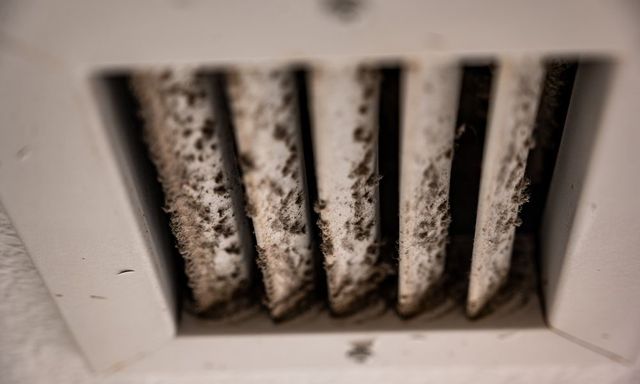
Air handlers, ductwork, and drain pans can harbor mold when condensation isn’t draining properly. Air testing is often used to evaluate whether the HVAC system may be contributing to elevated indoor mold levels.
In these cases, inspection of the system itself is just as important as test results.
What Happens After Testing
Testing alone does not solve mold problems.
If results suggest elevated mold levels or confirm growth, the next step is addressing moisture sources and determining whether professional remediation is appropriate.
Sometimes testing confirms that conditions are normal, providing reassurance and preventing unnecessary work.
A good process always includes explanation, not just numbers.
Preventing Mold So Testing Isn’t Needed Again
The best outcome is not needing repeat testing.
Maintaining HVAC systems helps control humidity and prevent condensation issues. Drain lines should be kept clear, filters replaced regularly, and duct insulation maintained.
Bathroom and kitchen exhaust fans should vent outdoors and be used consistently.
After storms or leaks, drying should begin immediately and continue until materials are fully dry—not just on the surface.
These steps reduce the likelihood of mold developing in the first place.
Why Local Experience Matters With Mold Testing
Mold testing must be interpreted in context.
Titusville homes face humidity, storm exposure, slab foundations, and Florida-specific HVAC designs. Local experience helps professionals understand what “normal” looks like in Brevard County and when results truly indicate a problem.
What appears concerning on paper may be typical for the region—or vice versa.
A Practical Takeaway for Titusville Homeowners
Mold testing is not always necessary, but when used correctly, it can provide valuable clarity.
If you’re dealing with unexplained odors, past water damage, real estate concerns, or suspected hidden mold, professional testing combined with a thorough inspection can help you make informed decisions.
In Titusville’s humid environment, understanding moisture conditions matters more than guessing. With accurate testing, clear explanations, and local expertise, homeowners can address mold concerns confidently and avoid unnecessary stress.