Mold Testing in Titusville: What Homeowners in Brevard County Should Know
Mold testing is a common question for homeowners in Titusville, especially when musty odors linger, humidity feels hard to control, or past water damage raises concerns. In Brevard County’s warm, humid climate, mold can develop quickly—and often out of sight—making it difficult to know what’s actually happening inside a home.
Mold testing isn’t about fear or assumptions. It’s a tool used to better understand indoor conditions, confirm concerns when mold isn’t visible, and support informed decisions about next steps.
What Mold Testing Really Means
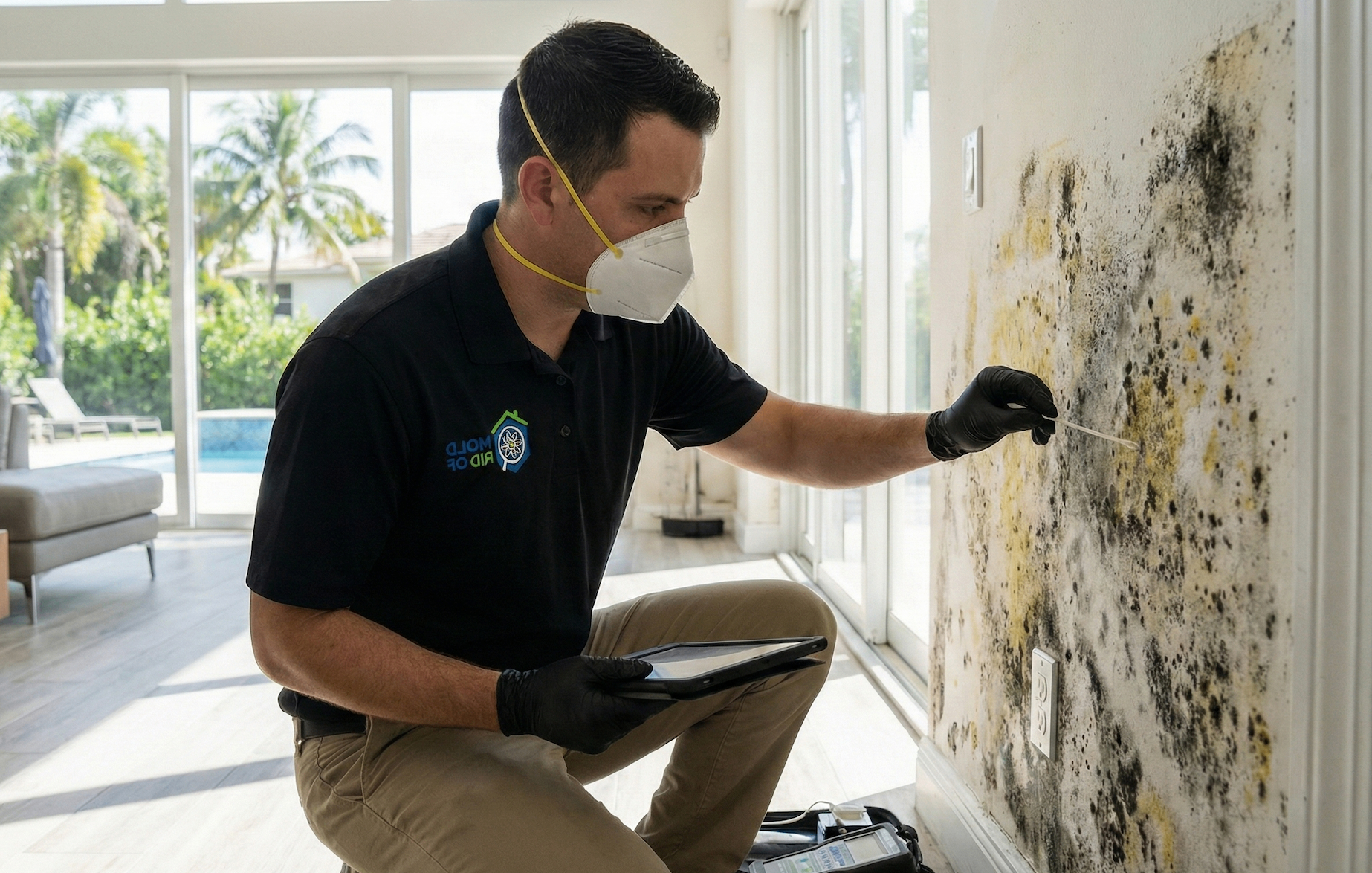
Mold testing is the process of collecting samples from the air or surfaces to evaluate mold presence and indoor conditions. These samples are analyzed by a laboratory to identify general mold categories and relative levels.
In Titusville homes, testing is most useful when mold isn’t clearly visible but moisture conditions suggest it may be present. It can also help confirm whether mold spores are circulating through HVAC systems or hidden areas.
Testing supports an overall assessment—it doesn’t replace a proper inspection or moisture evaluation.
Why Mold Testing Is Common in Titusville Homes
Titusville’s environment creates ideal conditions for moisture problems. Proximity to the Indian River Lagoon, frequent rain, and long cooling seasons all contribute to elevated humidity levels.
Common local factors that lead homeowners to consider mold testing include:
- Persistent musty odors
- High indoor humidity despite AC use
- Past roof leaks or plumbing issues
- AC condensation or drainage problems
- Storm or hurricane exposure
- Homes with attics or HVAC systems in humid spaces
Even homes that look clean can have hidden moisture issues that justify further evaluation.
When Mold Testing May Be Helpful
Mold testing is not always necessary, but it can be useful in specific situations.
Homeowners in Titusville often consider testing when:
- There are odors but no visible mold
- Mold keeps returning after cleaning
- HVAC systems may be involved
- Indoor comfort feels worse without explanation
- A home is being bought or sold
- Water damage occurred but mold isn’t obvious
Testing provides data that helps clarify whether further action is needed.
Common Types of Mold Testing
There are two main types of mold testing commonly used in residential settings.
Air sampling measures the concentration of mold spores in indoor air compared to outdoor levels. This helps assess whether indoor conditions are elevated.
Surface sampling collects material from visible growth or suspected areas to help identify what’s present.
In Titusville homes, air sampling is often used when mold is suspected in HVAC systems, attics, or wall cavities where growth isn’t visible.
What Mold Testing Does—and Doesn’t—Tell You
Mold testing can help confirm whether mold spores are present at elevated levels indoors. It can support findings from an inspection and help guide decisions.
However, testing alone does not explain why mold is present. Moisture sources, ventilation issues, and building conditions still need to be identified to solve the problem.
Testing should always be interpreted alongside a full inspection and moisture assessment.
Why Moisture Matters More Than Mold Counts
In Brevard County, mold follows moisture. Elevated humidity, leaks, or condensation are the real drivers behind mold growth.
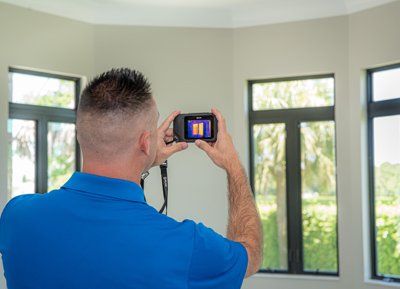
A test may show mold spores are present, but without identifying the moisture source, results don’t lead to lasting solutions. This is why professional mold testing is usually paired with moisture detection tools and visual inspections.
Finding and correcting moisture is the most important step.
Common Misunderstandings About Mold Testing
One common myth is that mold testing is required for every mold concern. In reality, visible mold with an obvious moisture source often doesn’t need testing to move forward.
Another misconception is that mold testing alone confirms health risk. Mold testing evaluates environmental conditions—not health outcomes.
The purpose of testing is clarity, not alarm.
Why DIY Mold Test Kits Are Often Misleading
DIY mold test kits are widely available, but they often cause confusion. These kits typically detect mold spores that are already present in most indoor and outdoor environments.
Without proper context, results may seem alarming even when conditions are normal. DIY kits also don’t identify moisture sources or hidden growth.
Professional testing uses controlled sampling methods and is interpreted with local environmental knowledge.
Professional Mold Testing and Inspection Explained
Professional mold testing is part of a broader evaluation. Inspectors assess moisture conditions, airflow, HVAC systems, and building materials before deciding whether testing is appropriate.
Samples are collected carefully and sent to certified labs. Results are then explained in plain language, with guidance on what they mean for the home.
Local experience matters. Brevard Mold Inspections & Removal understands Titusville construction styles, climate patterns, and common moisture issues found throughout Brevard County homes.
What Happens After Mold Testing
After results are reviewed, homeowners receive clear recommendations. In some cases, no further action is needed beyond moisture control or ventilation improvements.
If mold remediation is recommended, testing helps define the scope and confirm whether conditions have returned to normal after work is completed.
Testing supports informed decisions—it doesn’t automatically mean major repairs.
Preventing Mold Issues After Testing
Testing is most effective when paired with prevention. Titusville homeowners can reduce future mold risk by:
- Maintaining HVAC systems and drain lines
- Monitoring indoor humidity levels
- Ventilating bathrooms and kitchens
- Inspecting attics and ductwork periodically
- Addressing leaks immediately
- Checking for moisture after storms
Preventive maintenance often eliminates the need for repeated testing.
Why Local Brevard County Experience Matters
Mold testing in Florida is different from testing in drier regions. High humidity, slab foundations, and constant AC use influence results.
Homes in Titusville face different moisture patterns than coastal areas like Cocoa Beach or inland communities like Viera. Local experience ensures testing results are interpreted accurately and realistically.
A Calm, Informed Takeaway for Homeowners
Mold testing can be a valuable tool when used appropriately. For Titusville homeowners, it provides clarity when mold concerns aren’t obvious and supports smarter decisions about next steps.
When combined with a thorough inspection and moisture assessment, mold testing helps homeowners understand their home’s conditions without guesswork—allowing issues to be addressed calmly, accurately, and effectively.
Images for This Article