
Mold Under Flooring in Brevard County: What Merritt Island Property Owners Should Know
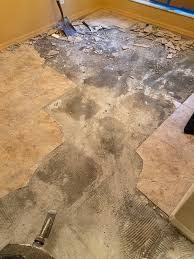
For many Merritt Island homeowners, mold problems are associated with bathrooms, kitchens, or hurricane flooding. But one of the most expensive and disruptive mold issues in Brevard County homes often develops where homeowners never look — under the flooring.
Whether a home is located near Banana River, Sykes Creek, Indian River, or elsewhere on Merritt Island, moisture problems beneath floors are common. Unfortunately, flooring hides early warning signs, allowing mold to spread unnoticed until damage becomes severe.
By the time property owners notice odors, warped floors, or visible mold, contamination may already have spread across large areas of subflooring.
Understanding how mold develops under flooring helps homeowners catch problems early and avoid costly repairs.
What Mold Under Flooring Really Is
Mold spores naturally exist in indoor air and become active when they land on damp materials.
Floor systems in Merritt Island homes often include:
- Tile or laminate flooring
- Wood or engineered wood flooring
- Carpet and padding
- Concrete slabs
- Wood subfloor materials
- Underlayment layers
When moisture gets trapped beneath flooring, mold begins growing on subfloors, adhesives, or padding materials.
Unlike visible mold, contamination under floors often spreads silently. Because floors are rarely lifted or inspected, problems remain hidden for long periods.
Mold growth doesn’t always require major flooding. Even small leaks or humidity buildup can cause moisture accumulation beneath flooring.
Why Mold Under Flooring Is Common in Brevard County Homes
Several local environmental factors increase under-floor mold risks across Merritt Island.
Coastal Humidity
High humidity slows drying and allows moisture to remain trapped beneath floors.
Storm and Hurricane Exposure
Flooding or storm-driven rain allows water intrusion into homes.
Plumbing Leaks
Slow leaks under sinks or appliances seep into flooring materials.
AC Condensation
Air conditioning creates temperature differences that sometimes cause condensation beneath floors.
Slab Construction
Many Merritt Island homes sit on concrete slabs, where moisture can migrate upward into flooring materials.
High Water Tables
Ground moisture levels remain elevated in many coastal neighborhoods.
These factors make hidden floor mold a recurring problem in Brevard County.
Signs Mold May Be Developing Under Floors
Because mold grows beneath surfaces, warning signs often appear gradually.
Homeowners commonly notice:
- Musty odors indoors
- Warped or buckling flooring
- Soft or spongy floor areas
- Dark stains along floor edges
- Loose tiles or lifting laminate
- Persistent damp smells
- Mold returning after surface cleaning
Sometimes odors seem strongest when air conditioning runs or humidity rises.
If flooring damage continues to worsen, hidden mold may be present.
Hidden Moisture Sources Beneath Flooring
Moisture often enters beneath flooring in ways homeowners overlook.
Appliance Leaks
Dishwashers, refrigerators, or washing machines may leak slowly.
Plumbing Failures
Pipe leaks beneath sinks or inside walls soak flooring.
Storm Intrusion
Heavy rains or minor flooding events allow water into homes.
Ground Moisture
Moisture migrates upward through concrete slabs.
Window or Door Leaks
Water intrusion near walls spreads beneath floors.
Because flooring hides these issues, mold spreads before homeowners realize there’s a problem.
Why DIY Cleanup Rarely Works
Homeowners sometimes try to clean mold themselves, but under-floor contamination requires more than surface cleaning.
Common DIY mistakes include:
Cleaning Surface Areas Only
Hidden mold remains under flooring.
Using Bleach on Floors
Bleach doesn’t reach subfloor materials.
Covering Damage with New Flooring
This traps mold beneath new surfaces.
Ignoring Moisture Sources
Leaks or condensation problems remain unresolved.
Removing Flooring Without Containment
Spores spread into living spaces.
Without moisture correction and proper removal, mold problems often return.
Professional Mold Inspection Explained
A professional inspection helps identify hidden moisture and mold beneath flooring.
Inspection steps typically include:
Visual Assessment
Examining flooring damage and surrounding areas.
Moisture Detection
Tools locate moisture beneath surfaces.
Leak Investigation
Checking plumbing and appliances.
Flooring Evaluation
Determining how far contamination has spread.
Testing When Needed
Air or surface sampling confirms contamination levels.
Inspection findings guide remediation plans.
Proper Mold Remediation Under Flooring
Professional remediation focuses on safe removal and long-term prevention.
Typical remediation steps include:
Containment Measures
Preventing spores from spreading during removal.
Flooring Removal
Affected flooring materials are safely removed.
Cleaning and Treatment
Subfloors and structural materials are cleaned.
Drying and Dehumidification
Moisture is removed completely.
Correcting Moisture Sources
Leaks or condensation issues are fixed.
Prevention Recommendations
Homeowners receive guidance to avoid recurrence.
The goal is eliminating mold and preventing future moisture problems.
Preventing Mold Under Flooring in Merritt Island Homes
Property owners can reduce risks through preventive maintenance.
Helpful prevention steps include:
- Repairing leaks immediately
- Monitoring appliances for moisture
- Checking floors after storms or flooding
- Maintaining AC systems
- Monitoring indoor humidity
- Inspecting slab areas periodically
- Using dehumidifiers when necessary
Routine inspections help prevent hidden damage.
Why Local Experience Matters
Floor moisture issues vary depending on climate and construction style.
Professionals familiar with Merritt Island understand:
- Coastal humidity impacts
- Common slab construction patterns
- Storm-related moisture behavior
- Typical plumbing leak patterns
- Moisture movement in waterfront communities
Local expertise allows faster identification and effective solutions.
Companies like Mold Removal Merritt Island regularly inspect homes across Brevard County and understand recurring flooring moisture issues affecting Merritt Island properties.
Local knowledge helps prevent repeated problems.
A Smart Next Step for Property Owners
Mold beneath flooring often develops unnoticed until repairs become expensive and disruptive.
If your home has musty odors, warped flooring, or past water damage, a professional inspection can help identify hidden mold before it spreads further.
For Merritt Island property owners, early evaluation protects home structures and prevents costly restoration work later.
Taking action early keeps homes safe, comfortable, and protected long-term.