
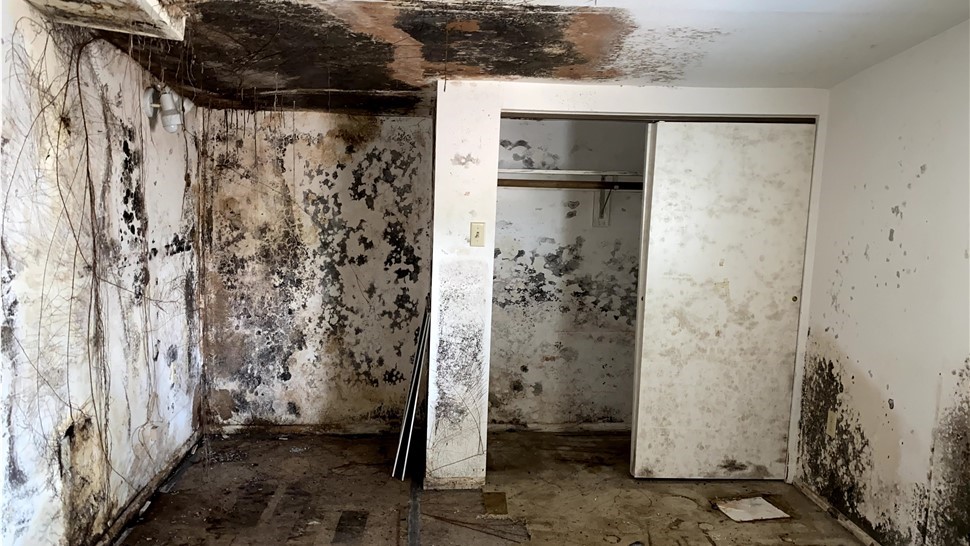
Mold After Water Damage in Satellite Beach: What Homeowners in Brevard County Should Know
Water damage is stressful on its own. When mold shows up afterward, it often catches homeowners off guard. In Satellite Beach, mold after water damage is extremely common—not because homes are neglected, but because coastal Florida conditions make drying slow and moisture hard to control.
Many homeowners believe mold only follows major flooding. In reality, mold in Brevard County often develops after minor leaks, storm intrusion, or AC-related water issues that didn’t seem serious at the time. Understanding why mold forms after water damage, where it hides, and how to handle it properly helps Satellite Beach homeowners avoid ongoing problems.
Why Water Damage Leads to Mold So Quickly in Satellite Beach
Mold needs moisture and time. Satellite Beach provides both.
Coastal humidity stays high most of the year, and after water damage—whether from storms, plumbing, or HVAC issues—materials dry much more slowly than homeowners expect.
Brevard County homes rely heavily on air conditioning. When water damage occurs, temperature differences between cooled indoor air and warm, humid outdoor air can trap moisture inside walls, floors, and ceilings.
In many cases, surfaces feel dry within days, but moisture remains inside materials long enough for mold to begin growing—often within 24 to 72 hours.
Common Types of Water Damage That Lead to Mold
In Satellite Beach homes, mold often follows everyday water events rather than disasters.
Plumbing leaks are one of the most common causes. Slow leaks under sinks, behind toilets, or inside walls may go unnoticed while materials remain damp.
Roof leaks and wind-driven rain during storms are another frequent source. Even small roof or flashing issues can allow water into attics and walls.
HVAC-related water damage is especially common. Clogged condensate drain lines, cracked drain pans, or overflowing air handlers can leak water into ceilings, walls, and floors.
Appliance leaks—from washing machines, water heaters, or dishwashers—can also introduce moisture that becomes trapped under flooring or behind cabinets.
Why Mold Often Appears Weeks Later
One of the most confusing aspects of post-water-damage mold is the delay.
Homeowners often clean up visible water quickly and assume the problem is resolved. Weeks later, musty odors, staining, or peeling paint appear.
This delay happens because:
- Moisture remains trapped inside materials
- Florida humidity slows evaporation
- Flooring, paint, and drywall seal moisture in
By the time mold becomes visible, it’s often been growing out of sight for some time.
Where Mold Hides After Water Damage
Mold following water damage is rarely limited to obvious areas.
Behind drywall, insulation can stay damp long after leaks stop. Mold may grow without any surface staining at first.
Under flooring—especially on slab foundations—water can become trapped between the slab and finished flooring. Mold may grow beneath tile, laminate, or vinyl without visible signs.
In attics, water intrusion from storms or roof leaks can soak insulation and roof decking, leading to widespread mold growth.
Inside HVAC systems, moisture from leaks or condensation can while the system circulates air through the home, spreading odors.
Cabinets and closets near plumbing often hide moisture and mold until damage becomes obvious.
Signs Mold May Be Developing After Water Damage
Mold doesn’t always announce itself clearly.
Common warning signs include:
- Persistent musty or earthy odors
- Mold that appears days or weeks after a leak
- Bubbling or peeling paint
- Warped or soft drywall
- Flooring that feels uneven or smells damp
- Odors that intensify when the AC runs
These signs usually mean moisture wasn’t fully dried and mold has begun to grow.
Why Drying Alone Isn’t Always Enough
Drying is critical after water damage—but it must be thorough.
Fans and dehumidifiers help remove surface moisture, but they don’t always dry materials inside walls, under floors, or above ceilings. Without moisture detection tools, it’s difficult to know when materials are truly dry.
In Satellite Beach’s humid climate, drying often slows once indoor air becomes saturated. Materials may feel dry while remaining damp internally.
This is why mold can develop even when cleanup seemed quick.
Why DIY Cleanup Often Makes Mold Worse
DIY cleanup is a common response after water damage, but it has limits.
Cleaning visible mold without containment can release mold particles into the air. In homes with central air conditioning, those particles can spread to other rooms.
Household cleaners and bleach do not penetrate porous materials like drywall or wood. They may improve appearance but don’t stop mold growth beneath the surface.
DIY efforts often focus on what’s visible while hidden moisture remains untouched.
How Professional Inspections Help After Water Damage
A professional mold inspection focuses on moisture first.
Inspectors evaluate areas affected by water damage and nearby spaces where moisture may have traveled. Moisture meters and thermal imaging are used to locate damp materials behind walls, under floors, or in attics.
HVAC systems are also assessed, since water damage here can affect the entire home.
When appropriate, air or surface samples may be collected and sent to an independent laboratory to document mold presence.
Local professionals such as Brevard Mold Inspections & Removal focus on identifying moisture patterns specific to Satellite Beach homes rather than just visible mold.
What Proper Mold Remediation Looks Like After Water Damage
Effective remediation addresses both mold and moisture.
The process typically includes containment to prevent spread, removal or treatment of affected materials, and correction of moisture sources. Porous materials with significant mold growth—such as drywall or insulation—often need to be removed and replaced.
Equally important is correcting what allowed moisture to remain. This may involve plumbing repairs, HVAC drainage corrections, improved ventilation, or building envelope repairs.
Without moisture correction, mold is likely to return.
Insurance Considerations After Water Damage
Insurance coverage often focuses on the water damage itself rather than mold.
Mold may be considered part of a claim if it clearly results from a sudden, covered water event and was addressed promptly. Mold caused by long-term moisture or delayed drying is often excluded.
Documentation matters. Photos, inspection reports, and repair records help establish timelines and causes if insurance questions arise.
Early evaluation after water damage provides clarity and reduces disputes.
Preventing Mold After Future Water Damage
Quick, informed action makes a significant difference.
After any water event, even minor ones, homeowners should:
- Dry affected areas thoroughly
- Check behind walls and under flooring when possible
- Monitor for odors or changes over time
- Maintain HVAC systems to control humidity
After storms, attics, ceilings, and areas near exterior walls should be inspected—even if no damage is immediately visible.
Moisture that’s caught early rarely turns into mold.
Why Local Experience Matters in Satellite Beach
Water damage behaves differently in coastal environments.
Satellite Beach homes face wind-driven rain, salt air, slab foundations, and prolonged humidity after storms. Local experience helps professionals understand where moisture enters and how it moves through these homes.
What works inland may not work here.
A Practical Takeaway for Satellite Beach Homeowners
Mold after water damage in Satellite Beach is common—but it’s not inevitable.
Most problems occur when moisture isn’t fully dried or detected early. By understanding where mold hides, recognizing early warning signs, and seeking professional evaluation when needed, homeowners can prevent small water issues from becoming major mold problems.
If your home has experienced water damage—no matter how minor—a professional moisture and mold assessment can provide peace of mind. With timely action and local expertise, Satellite Beach homeowners can recover from water damage without mold becoming a lasting issue.