
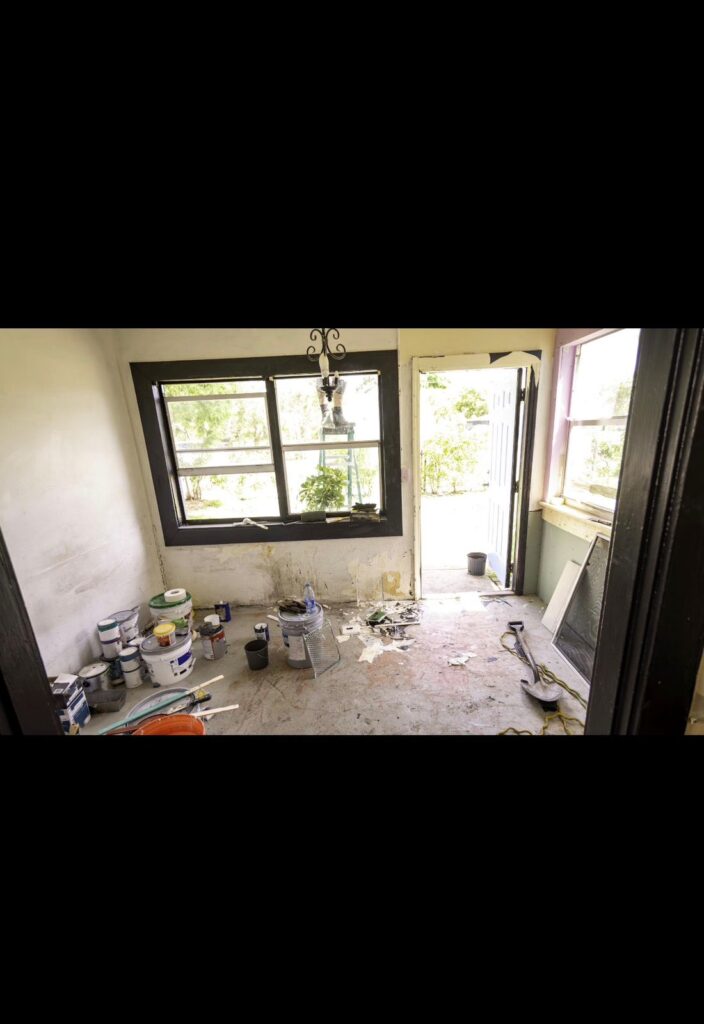
Toxic Mold in Indian Harbour Beach: What Homeowners in Brevard County Should KnowWhere this applies • Homes in Indian Harbour Beach • Coastal humidity, salt air, stormsWhat “toxic mold” means • Certain molds can produce mycotoxins • Not all black mold is toxic • Testing confirms type and riskWhy it develops • High humidity • Water leaks or flooding • Poor ventilation • AC condensation • Storm intrusionCommon locations • Bathrooms • Attics • Crawl spaces • Behind drywall • HVAC systems • Closets on exterior wallsWarning signs • Persistent musty odors • Dark or spreading growth • Allergy or asthma symptoms • Headaches or fatigue • Symptoms improve when away from homeHealth concerns • Respiratory irritation • Asthma flare-ups • Sinus issues • Increased risk for children and seniorsTesting importance • Confirms mold type • Measures airborne spores • Guides safe remediation • Provides documentationDIY risks • Bleach ineffective on porous materials • Spore spread during cleaning • Hidden mold remains • Mold returnsWhen to call professionals • Suspected toxic mold • Area over 10 sq ft • Water damage involved • Health symptoms presentPrevention • Fix leaks immediately • Control indoor humidity • Use exhaust fans • Maintain HVAC • Regular inspectionsFinal noteToxic mold requires testing and professional remediation to protect health and prevent recurrence.