
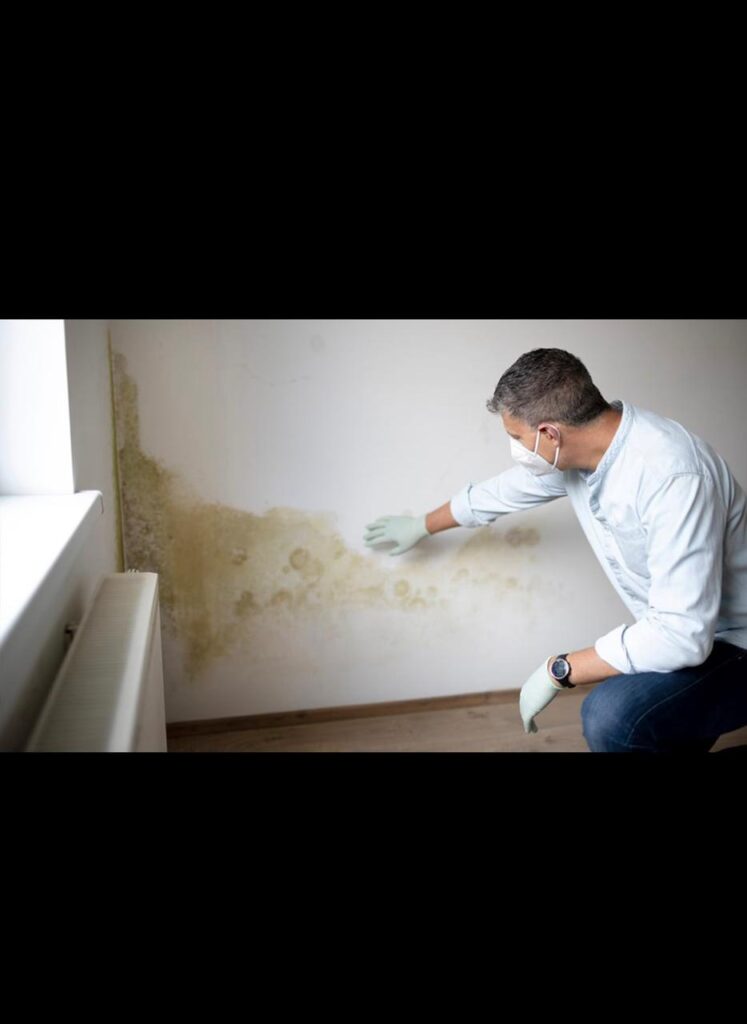
T“Toxic mold” is one of the most alarming phrases a homeowner can hear.
In Palm Bay and across Brevard County, we get this question often: Is the mold in my home toxic? The concern is understandable. Online information can make every dark spot on drywall feel like an emergency.
The reality is more measured.
Mold in Palm Bay homes is almost always a moisture problem first. The key is understanding what mold actually is, what “toxic” means, and when it’s time to take action.
Let’s walk through it clearly.
What Does “Toxic Mold” Really Mean?
The term “toxic mold” isn’t a technical inspection term. It’s a common phrase used to describe certain mold species that can produce mycotoxins under specific conditions.
One of the molds people often associate with this label is Stachybotrys, sometimes called black mold.
But here’s what matters for Palm Bay homeowners:
- Mold types vary.
- Not all dark mold is “toxic.”
- Color alone does not identify mold species.
- Testing is the only way to identify specific types.
More importantly, mold growth of any kind indicates a moisture issue. The type of mold matters less than the conditions allowing it to grow.
Why Mold Develops So Easily in Palm Bay
Palm Bay homes face heavy environmental pressure.
High Humidity
Brevard County experiences elevated humidity most of the year. When indoor humidity consistently rises above 60%, mold conditions become favorable.
Frequent Storms
Summer thunderstorms and hurricane season bring intense rain. Wind-driven rain can enter roof seams, soffits, or window frames — sometimes without immediate visible damage.
Slab Foundations
Many Palm Bay homes sit on slab foundations. During prolonged rainy periods, moisture can migrate upward through concrete, especially if vapor barriers are compromised.
Year-Round AC Use
Air conditioning systems remove moisture — but only if functioning properly. Oversized or poorly maintained systems may cool quickly without adequately dehumidifying.
All of these factors create an environment where mold can develop quickly after water intrusion.
Common Places Mold Hides in Palm Bay Homes
In Brevard County inspections, we frequently find mold in:
- Attics with limited ventilation
- Behind drywall after roof leaks
- Around AC air handlers
- Under laminate flooring
- Behind bathroom tile
- In closets along exterior walls
Palm Bay homes built in different decades may have different ventilation designs, but moisture mismanagement can affect any structure.
Often, homeowners notice odor before they see visible growth.
What Health Concerns Do Homeowners Have?
When people say “toxic mold,” they’re usually worried about health.
Homeowners in Palm Bay sometimes report:
- Musty smells
- Throat irritation indoors
- Allergy-like symptoms
- Headaches in certain rooms
- Worsening asthma symptoms
Mold affects people differently. Some individuals are more sensitive than others.
Generally, damp indoor environments may contribute to:
- Respiratory irritation
- Allergy-type reactions
- Aggravation of existing conditions
That doesn’t mean every mold situation causes severe health problems. But persistent moisture and poor indoor air quality should always be addressed.
If symptoms seem worse indoors and improve outside the home, that’s often a signal to investigate further.
Is Black Mold Always Dangerous?
Not necessarily.
Many molds appear dark or black. Color alone doesn’t determine risk.
Even molds commonly labeled as “toxic” require:
- Specific moisture conditions
- Significant growth
- Prolonged exposure
The more important issue isn’t the label. It’s the presence of uncontrolled moisture.
Any mold growth inside a home indicates water intrusion or humidity imbalance.
That’s what needs correction.
Why You Shouldn’t Rely on Visual Identification
Home test kits and online images can be misleading.
Two molds can look identical but be entirely different species.
The only reliable way to identify mold type is through laboratory analysis of air or surface samples collected properly.
In many cases, testing isn’t required if visible growth and moisture sources are clear. The focus shifts to removal and correction.
At Brevard Mold Inspections & Removal, testing is used when it adds meaningful clarity — not automatically.
What a Professional Mold Inspection Involves
If you’re concerned about “toxic mold” in your Palm Bay home, a professional inspection typically includes:
- Visual examination of affected areas
- Moisture meter readings inside walls and floors
- Attic evaluation
- AC system review
- Thermal imaging if needed
If necessary, air or surface samples can be collected and analyzed by a certified laboratory.
The goal is to determine:
- Whether mold is present
- How extensive it is
- Why it developed
Moisture is always the root cause.
Why DIY Cleaning Isn’t Enough
Bleach is commonly used by homeowners trying to remove mold.
But bleach:
- Does not penetrate porous materials like drywall or wood effectively
- Does not address hidden moisture
- Does not correct ventilation issues
Disturbing mold without proper containment can also spread spores to other areas.
If mold covers more than a very small area or involves structural materials, professional evaluation is strongly recommended.
We’ve inspected Palm Bay homes where small bathroom mold spread into attic spaces because ventilation issues were ignored.
What Proper Mold Remediation Looks Like
When mold is confirmed, remediation focuses on safe removal and moisture correction.
That process may include:
- Containment of affected areas
- Removal of contaminated drywall or insulation
- Cleaning structural framing
- HEPA air filtration
- Addressing the moisture source
In Palm Bay slab homes, that may involve evaluating foundation moisture. In attic cases, ventilation adjustments are often necessary.
Without correcting the source, mold can return.
Preventing Mold in Palm Bay
Prevention centers on moisture control.
Practical steps include:
- Keeping indoor humidity between 45–55%
- Servicing AC systems annually
- Flushing condensate drain lines
- Inspecting roofs after storms
- Using bathroom exhaust fans consistently
- Monitoring attic ventilation
Homes in nearby Melbourne, Rockledge, and Viera face similar climate pressures, so consistent maintenance is critical throughout Brevard County.
Small routine checks prevent larger problems later.
Why Local Experience in Brevard County Matters
Florida mold issues are different from dry climates.
Palm Bay homes deal with:
- Heavy seasonal rainfall
- Hurricane-force winds
- Slab moisture migration
- Year-round cooling systems
Local professionals understand how these factors interact.
An inspector unfamiliar with Brevard County construction styles may miss subtle moisture patterns common here.
That’s why working with experienced local professionals makes a difference.
When to Schedule an Inspection
If your Palm Bay home has:
- Persistent musty odors
- Visible mold growth
- Recent water damage
- Elevated indoor humidity
- Ongoing indoor air concerns
It’s reasonable to schedule an evaluation.
You don’t need to wait for widespread growth. Early detection prevents larger structural damage and improves indoor conditions.
Brevard Mold Inspections & Removal provides professional inspections and remediation throughout Palm Bay, Melbourne, Cocoa, Merritt Island, Titusville, Rockledge, Viera, Satellite Beach, and Cape Canaveral.
If you’re concerned about “toxic mold,” the most important step is understanding your home’s moisture conditions.
Clear answers. Careful inspection. Practical solutions.
In Brevard County, managing moisture is the key to preventing mold — regardless of the label.