
Toxic Mold in Palm Bay: What Homeowners in Brevard County Should Know
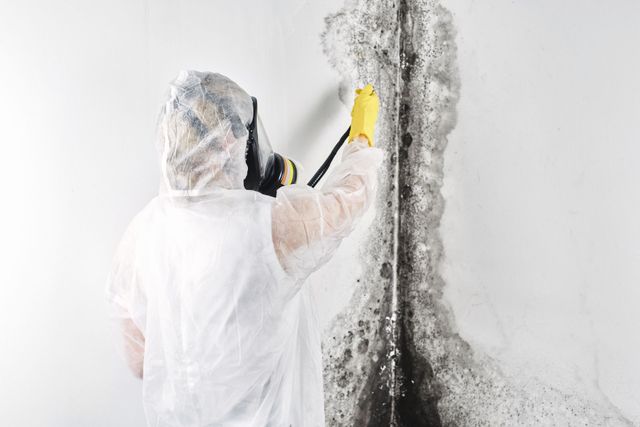
Toxic mold is one of the most serious concerns homeowners face in Palm Bay and throughout Brevard County. Florida’s warm temperatures, high humidity, heavy rainfall, and frequent storms create ideal conditions for mold growth — and in some cases, mold that may produce toxins when moisture problems persist.
While not all mold is toxic, the presence of toxic mold can significantly impact indoor air quality, health, and the structural integrity of a home. Understanding what toxic mold is, how it develops, and what steps to take can help Palm Bay homeowners protect their families and their investment.
What Is Toxic Mold?
“Toxic mold” is a term commonly used to describe certain mold species that may produce mycotoxins under specific conditions. These toxins are not released by all mold, nor are they produced all the time — but when conditions are right, prolonged exposure can be concerning.
Important points homeowners should know:
- Mold color alone does not determine toxicity
- Toxic mold is usually linked to long-term moisture problems
- The real risk depends on exposure level, location, and duration
In Palm Bay homes, toxic mold is most often associated with hidden moisture and ongoing water intrusion.
Why Toxic Mold Is a Risk in Palm Bay Homes
Palm Bay’s environment creates conditions that allow mold to thrive:
- High year-round humidity
- Frequent storms and heavy rain
- Roof and plumbing leaks
- Condensation from air-conditioning systems
- Slab foundations that trap moisture
- Poor ventilation in attics and bathrooms
When moisture remains trapped for extended periods, mold colonies can grow larger and more established — increasing the chance of toxin production.
Where Toxic Mold Is Commonly Found
Toxic mold is often discovered in areas with limited airflow and persistent moisture, including:
- Behind drywall and insulation
- Under tile, laminate, or carpet
- Attics and roof decking
- Bathrooms and showers
- Closets on exterior walls
- Around windows and sliding doors
- HVAC systems and ductwork
Visible mold is often only a small part of the overall problem.
Health Risks Associated With Toxic Mold
Prolonged exposure to toxic mold may affect indoor air quality and health. Symptoms vary depending on sensitivity and exposure levels, but may include:
- Chronic coughing or sneezing
- Nasal congestion or sinus issues
- Eye and throat irritation
- Headaches
- Fatigue
- Dizziness
- Worsening asthma or allergy symptoms
Children, seniors, and individuals with respiratory conditions or weakened immune systems are often more vulnerable.
Is All Mold Toxic?
No. Most indoor mold is not considered toxic. However, any mold growth indoors should be taken seriously because:
- Mold spreads quickly in humid environments
- Hidden mold can affect air quality
- Long-term exposure increases health risks
- Mold damages building materials
Because it’s impossible to determine toxicity by sight alone, professional evaluation is recommended whenever mold is suspected.
Why DIY Toxic Mold Cleanup Is Dangerous
Attempting to remove suspected toxic mold without professional training can increase health risks.
DIY cleanup risks include:
- Releasing large amounts of airborne spores
- Spreading contamination to unaffected areas
- Failing to remove mold roots in porous materials
- Ignoring hidden mold growth
- Worsening indoor air quality
Household cleaners and bleach may remove surface stains but do not eliminate toxic mold at its source.
How Professionals Address Toxic Mold
Professional mold remediation focuses on safety, containment, and long-term prevention. The process typically includes:
- Identifying and correcting moisture sources
- Containing affected areas
- Using HEPA air filtration
- Removing contaminated materials safely
- Cleaning and treating remaining surfaces
- Preventing future moisture buildup
- Verifying safe conditions after remediation
This structured approach protects occupants and prevents cross-contamination.
Does Homeowners Insurance Cover Toxic Mold in Palm Bay?
Insurance coverage depends on what caused the mold.
Toxic mold remediation may be covered if it resulted from a sudden, accidental event such as:
- A burst pipe
- Storm-related roof damage
- Sudden AC overflow
Coverage is usually denied when mold results from:
- Long-term leaks
- High humidity alone
- Poor maintenance
- Gradual moisture intrusion
Prompt documentation and professional inspection are critical when insurance is involved.
How Fast Toxic Mold Can Develop
Mold can begin growing within 24 to 48 hours after moisture exposure. In Palm Bay’s warm climate, mold colonies can grow aggressively if moisture is not addressed quickly.
The longer mold remains untreated, the greater the potential health and structural risks.
Preventing Toxic Mold in Palm Bay Homes
Homeowners can reduce the risk of toxic mold by:
- Keeping indoor humidity below 55%
- Running dehumidifiers year-round
- Maintaining HVAC systems regularly
- Fixing leaks immediately
- Improving ventilation in bathrooms and attics
- Keeping air conditioning running consistently
Moisture control is the most effective prevention strategy in Brevard County.
When to Call a Professional Immediately
Professional help is strongly recommended if:
- Mold is widespread or dark-colored
- You smell mold but can’t locate it
- Health symptoms worsen indoors
- Mold follows water or storm damage
- Mold is found in HVAC systems
- Mold returns after cleaning
Early professional intervention reduces health risks and remediation costs.
Conclusion
Toxic mold is a serious concern for homeowners in Palm Bay and Brevard County, particularly because it often develops from hidden moisture problems and long-term exposure. While not all mold is toxic, any indoor mold growth should be addressed promptly and carefully.
By understanding the risks, avoiding DIY cleanup, and addressing moisture issues early, homeowners can protect their indoor air quality, health, and property value. When toxic mold is suspected, professional evaluation and remediation are always the safest path forward.