
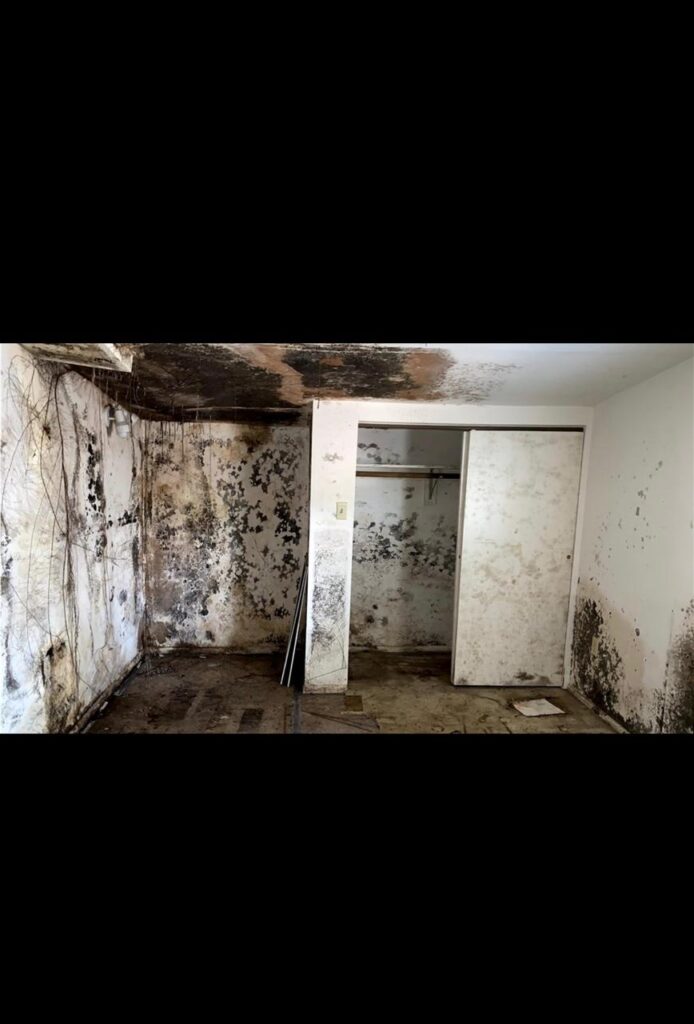
Toxic Mold in Palm Bay: What Homeowners in Brevard County Should KnowThe phrase “toxic mold” instantly raises alarms for homeowners — and in Palm Bay, those concerns are common. Our warm temperatures, high humidity, frequent storms, and nonstop air-conditioning create ideal conditions for mold growth. What makes “toxic mold” especially stressful is that it’s often misunderstood: some people panic over harmless discoloration, while others miss serious mold problems growing quietly behind walls or inside HVAC systems.This guide explains what toxic mold really is, why it shows up in Palm Bay homes, the warning signs to watch for, and what homeowners should do if they suspect a problem.⸻What Does “Toxic Mold” Actually Mean?“Toxic mold” isn’t a single species. It’s a catch-all term used for molds that can produce mycotoxins under certain conditions. The species most often mentioned is Stachybotrys chartarum (often called black mold), but many molds can look dark and not all dark molds are toxic.Key points to know: • Color does not determine toxicity • Not all molds produce mycotoxins • Health risk depends on moisture, exposure time, and sensitivity • The real issue is why the mold is growing, not just what it’s called⸻Why Toxic Mold Is a Concern in Palm Bay HomesPalm Bay’s environment makes long-term moisture problems common — and toxic mold tends to develop where moisture persists, not just after a quick leak.Local risk factors include: • High humidity much of the year • Heavy rain and tropical systems • Hurricanes and wind-driven rain • Slab foundations that trap moisture • Constant AC use causing condensation • Power outages that raise indoor humidity • Older homes mixed with newer, tightly sealed constructionWhen materials stay damp for 48 hours or more, mold growth can begin — and prolonged dampness increases the chance of problematic species.⸻Common Places Toxic Mold Is Found in Palm Bay HomesBehind DrywallSlow plumbing leaks, roof issues, or condensation can soak drywall from the inside. Mold may grow for months before stains or odors appear.HVAC SystemsAir handlers, drip pans, and ductwork collect condensation. Mold here can spread spores throughout the home every time the AC runs.BathroomsPoor ventilation allows steam to linger, leading to mold on ceilings, grout, and behind shower walls.AtticsWarm attic air meets cooler roof decking, causing condensation and mold growth on wood and insulation.Under FlooringMoisture trapped beneath laminate, vinyl, or carpet padding creates ideal conditions for hidden mold.ClosetsExterior-wall closets trap humid air, allowing mold to grow on drywall, shelving, and stored items.⸻How Fast Toxic Mold Can GrowIn Palm Bay’s climate, mold growth can begin within 24–48 hours after materials become wet. Growth accelerates when: • Indoor humidity stays above 60% • Wet materials aren’t dried quickly • AC systems are off or short-cycling • Moisture is hidden behind walls or under floorsThat’s why toxic mold is often discovered weeks or months after the original moisture problem.⸻Warning Signs of Toxic MoldToxic mold doesn’t always announce itself visually. Watch for these red flags: • Persistent musty or earthy odors • Dark staining on walls or ceilings • Bubbling or peeling paint • Warped baseboards or flooring • Mold smells when the AC turns on • Worsening allergies or asthma indoors • Headaches, fatigue, or brain fog at home • Symptoms improving when you leave the houseOdors and health changes are often the earliest indicators.⸻Is Toxic Mold Dangerous?Not everyone reacts the same way, but exposure may contribute to: • Chronic coughing or congestion • Asthma flare-ups • Eye, skin, or throat irritation • Headaches and fatigue • Increased sensitivity in children, elderly adults, pets, and those with respiratory conditionsThe greatest risk comes from long-term exposure to hidden mold, where occupants don’t realize the problem exists.⸻Toxic Mold Myths That Mislead Homeowners❌ “Bleach kills toxic mold”Bleach may lighten stains on non-porous surfaces, but it doesn’t penetrate porous materials like drywall or wood. Mold often returns.❌ “If it’s black, it’s toxic”Many harmless molds are dark. Toxicity depends on conditions — not color alone.❌ “Painting over mold fixes it”Paint hides stains temporarily, but mold continues growing if moisture remains.❌ “New homes don’t get toxic mold”Newer homes can trap moisture more easily due to tight construction and AC use.⸻Mold Inspection vs. Mold TestingMold Inspection • Finds moisture sources • Locates visible and hidden mold • Explains why mold is growing • Guides remediation and preventionMold Testing • Identifies spore levels or mold types • Useful for documentation or confirmation • Does not fix the problemIn many cases, fixing moisture is more important than testing.⸻Can You Remove Toxic Mold Yourself?DIY cleaning has limits — and risks.DIY May Be OK If: • Mold area is under 10 sq ft • Mold is on non-porous surfaces • Moisture source is fully fixed • Mold hasn’t returned beforeProfessional Help Is Needed If: • Mold is behind walls or under floors • HVAC systems are affected • Mold keeps coming back • Multiple rooms are involved • Storm or plumbing damage occurred • Health symptoms are presentImproper DIY work can spread spores and worsen exposure.⸻What Professional Toxic Mold Remediation InvolvesA proper remediation process typically includes: • Moisture detection and inspection • Containment to prevent spore spread • Removal of contaminated materials (drywall, insulation, flooring) • HEPA vacuuming and air filtration • Thorough drying and dehumidification • Repairs to stop future moisture issuesThe goal is safe removal plus prevention, not just cleanup.⸻Toxic Mold After Storms in Palm BayStorms often introduce hidden moisture through: • Roof damage • Wind-driven rain • Flooded slab edges • Power outages increasing indoor humidityToxic mold may appear weeks later, especially if drying was incomplete. Post-storm inspections can catch problems early.⸻Insurance and Toxic Mold in Florida HomesCoverage depends on the cause: • ✔ Mold may be covered if caused by a sudden, documented event • ✖ Mold is usually excluded if caused by long-term humidity or maintenance issuesDocument everything: photos, drying efforts, repairs, and inspection reports.⸻Preventing Toxic Mold in Palm Bay HomesControl Humidity • Keep indoor humidity 45–55% • Use dehumidifiers where needed • Monitor with digital hygrometersMaintain HVAC Systems • Replace filters regularly • Clean drain lines • Insulate ductwork • Schedule routine inspectionsImprove Ventilation • Use bathroom and kitchen exhaust fans • Allow airflow in closets • Avoid blocking ventsInspect Regularly • Check under sinks and appliances • Inspect attics annually • Address leaks immediately⸻Final Thoughts for Palm Bay Homeowners“Toxic mold” sounds scary — but knowledge and early action make the difference.Takeaways: • Toxic mold isn’t defined by color alone • Moisture is always the root cause • Hidden mold poses the greatest risk • DIY cleaning has strict limits • Professional remediation focuses on preventionIf you suspect toxic mold in your Palm Bay home, don’t panic — but don’t ignore it. Addressing moisture early and handling mold correctly protects your home, your health, and your peace of mind.