
Toxic Mold in Palm Bay: What Homeowners in Brevard County Should Know
The phrase “toxic mold” often causes immediate concern for homeowners in Palm Bay. Many people hear the term and assume the worst, imagining extreme scenarios or immediate danger. In reality, mold issues in Brevard County are far more common — and far more manageable — than the term suggests.
Palm Bay’s warm temperatures, high humidity, frequent rain, and year-round air conditioning create ideal conditions for mold growth. What matters most is not the label used to describe the mold, but why it’s present, where it’s growing, and whether moisture is still feeding it. Understanding these factors helps homeowners respond calmly and effectively instead of reacting out of fear.
What People Mean When They Say “Toxic Mold”
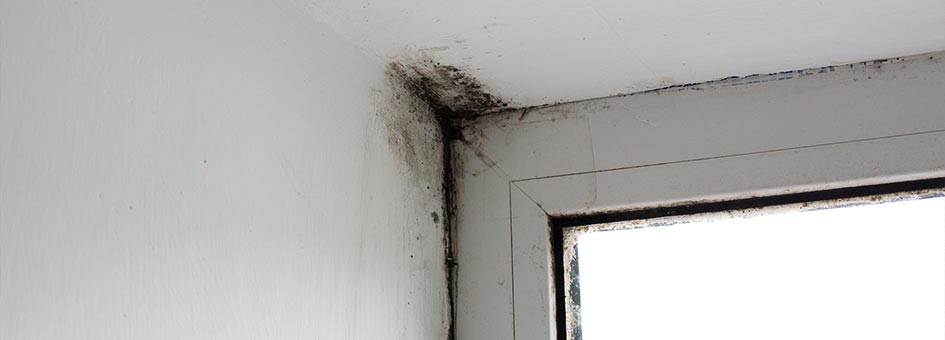
“Toxic mold” is not a scientific category used in homes. It’s a general term people use to describe certain molds they’ve heard about or dark-colored mold growth they find in their house.
Many different mold types can appear black or dark green. Some molds can produce byproducts under certain conditions, but color or name alone does not determine how serious a mold problem is in a home.
From a building standpoint, any mold growth means moisture is present where it shouldn’t be. That moisture issue — not the label — is what needs to be addressed.
Why Mold Concerns Are Common in Palm Bay
Palm Bay homes are under constant moisture pressure. Outdoor humidity remains high for much of the year, even during dry weather. Moist air enters homes through doors, windows, vents, and small gaps in the building envelope.
Heavy rain and seasonal storms increase moisture further. Wind-driven rain can enter through roofs, windows, and exterior penetrations without causing obvious flooding.
Air conditioning runs most of the year, and while it removes humidity, problems like clogged drain lines, dirty coils, poor airflow, or duct condensation can introduce moisture into walls, ceilings, and HVAC systems.
Slab foundations, common in Palm Bay, can also allow ground moisture to migrate upward after prolonged rain.
Where Mold Commonly Grows in Palm Bay Homes
Bathrooms are one of the most frequent locations. Steam from showers raises humidity quickly, and if ventilation is weak or fans vent incorrectly, moisture settles on ceilings and behind walls.
HVAC systems are another major area. Mold can develop inside air handlers, drain pans, ductwork, and insulation when condensation isn’t draining properly. Dark mold near vents is often a sign of deeper system moisture issues.
Behind drywall is a common hidden location. Small plumbing leaks, roof leaks, or window intrusion can allow moisture into wall cavities where mold grows unnoticed.
Attics frequently develop mold after roof leaks, poor ventilation, or bathroom fans venting into attic spaces.
Under flooring, especially carpet, laminate, or wood, moisture can remain trapped long enough for mold to grow after leaks or high humidity.
Mold Does Not Require Flooding to Develop
One of the biggest misconceptions is that mold only follows flooding. In Palm Bay, mold often develops without any dramatic water event.
High indoor humidity alone can be enough. When humid air contacts cooler surfaces inside walls, ceilings, or HVAC systems, condensation forms. Over time, materials absorb that moisture and stay damp.
Slow plumbing leaks, AC condensation, or minor roof leaks can quietly support mold growth without obvious stains or puddles.
Early Signs Mold May Be Present
Musty or damp odors are often the first sign homeowners notice. These smells may be stronger when the AC turns on or after rainy weather.
Homeowners may see dark discoloration on ceilings, around vents, or near baseboards. Paint may peel or bubble, and drywall may feel soft in certain areas.
Some rooms may feel more humid or uncomfortable than others, even when the thermostat is set low.
These signs often appear before mold becomes widespread or clearly visible.
Why Cleaning Mold Doesn’t Solve the Problem
Many homeowners attempt to clean mold themselves using bleach or store-bought products. While this may improve appearance temporarily, it rarely fixes the issue long-term.
Bleach does not penetrate porous materials like drywall, wood, insulation, or grout backing. Mold can remain active beneath the surface and return once moisture conditions stay the same.
Bleach also contains water, which can soak into porous materials and feed mold growth below the surface. This is why mold often comes back after cleaning.
Cleaning addresses symptoms, not causes.
The Risks of DIY Mold Removal
DIY mold removal can make problems worse. Scrubbing or spraying mold without containment releases spores into the air.
In Palm Bay homes with central air, those spores can be pulled into the HVAC system and distributed throughout the house. A small problem can become widespread.
DIY efforts also rarely identify hidden mold or moisture sources, allowing the underlying issue to continue.
Professional Mold Inspection for Mold Concerns
A professional mold inspection focuses on moisture first. Inspectors evaluate bathrooms, kitchens, HVAC systems, attics, walls, ceilings, and areas with known water exposure.
Moisture meters and thermal imaging tools help locate damp materials behind surfaces that appear dry. These tools are especially important in slab-foundation homes.
When appropriate, air or surface sampling may be used to support findings or provide documentation. Testing helps clarify conditions but does not replace identifying moisture sources.
An inspection provides clear information instead of guesswork.
Proper Mold Remediation for Serious Mold Issues
Effective remediation addresses both mold growth and the moisture that caused it.
Containment is used to prevent spores from spreading during removal. Mold-affected materials are evaluated carefully. Some can be cleaned and saved, while others must be removed when contamination is deep.
Correcting moisture sources is critical. This may involve plumbing repairs, roof repairs, HVAC servicing, ventilation improvements, or humidity control.
Brevard Mold Inspections & Removal approaches mold concerns with a prevention-focused mindset rather than surface-level treatment.
HVAC Systems and Mold Concerns
HVAC-related mold is common in Palm Bay due to constant system use. Condensation inside air handlers, drain pans, coils, and ductwork provides ongoing moisture.
When mold develops inside the system, odors and moisture can be distributed throughout the home. This often explains why mold appears in multiple areas at once.
Addressing HVAC moisture issues is often essential for long-term resolution.
Preventing Mold From Returning
Prevention focuses on moisture control.
Bathroom exhaust fans should be used consistently and vented outdoors. HVAC systems should be maintained to ensure proper drainage and airflow.
Indoor humidity should be monitored, especially during humid months and after storms. Any leaks or water intrusion should be addressed immediately and dried thoroughly.
Regular inspections help catch moisture problems early.
Why Local Experience in Brevard County Matters
Mold behaves differently in Florida than in dry climates. Palm Bay homes face high humidity, storms, slab foundations, and year-round AC use.
Local experience means understanding where mold typically develops here and how moisture moves through homes in this environment.
Generic advice often fails in Brevard County. Solutions must be tailored to local conditions to last.
A Calm, Practical Takeaway
“Toxic mold” in Palm Bay is best understood as a moisture problem, not a label to fear. Mold growth is common in this climate, and most situations are manageable when addressed correctly.
The key is identifying why mold is present and correcting moisture conditions before growth spreads further. Early assessment makes a significant difference.
Homeowners across Brevard County benefit from clear information and practical guidance. Brevard Mold Inspections & Removal helps homeowners understand mold conditions, identify moisture issues, and take effective steps to protect their homes.
When mold is handled with the right approach, it becomes a solvable building issue — not a source of ongoing stress or confusion.