Here’s the fully rewritten, publish-ready article — clean, local, calm, human, and built exactly to your saved rules, followed by 3 highly relevant image groups (real images, no people, no text, no logos, no fluff).
Living in Satellite Beach comes with obvious perks — ocean views, steady breezes, and a relaxed coastal lifestyle. But for homeowners, that same coastal environment brings a constant challenge that often goes unnoticed: moisture. In Brevard County, especially in beachside communities like Satellite Beach, mold inspections are not just for older homes or obvious water damage. They are a practical step in protecting a home that’s exposed to year-round humidity, salt air, and frequent storms.
Many homeowners are surprised to learn that mold can exist even when a home looks clean and well cared for. Understanding how mold inspections work, why mold is so common in this area, and what inspectors actually look for can help homeowners make informed, calm decisions without panic or guesswork.
What Mold Inspection Means for Coastal Homes
A mold inspection is not simply a search for visible mold. In Satellite Beach homes, inspections focus on identifying moisture conditions that allow mold to grow — even when mold itself is hidden.
Inspectors evaluate areas where humidity builds up, air circulation is limited, or water intrusion may have occurred in the past. The goal is to understand what’s happening inside the home, not to assume the worst. In many cases, inspections uncover moisture issues early, before mold becomes widespread or damaging.
Why Mold Is Common in Satellite Beach and Brevard County
Satellite Beach sits directly along Florida’s Atlantic coastline, which means homes are constantly exposed to moist, salt-heavy air. Even with windows closed, humidity finds its way indoors. Over time, that moisture settles into building materials, especially when air conditioning systems run almost nonstop.
Storms and tropical weather add another layer of risk. Wind-driven rain can enter through small roof openings, aging seals, or poorly flashed windows. These leaks don’t always leave obvious water stains, but they can saturate insulation or wall cavities quietly.
Air conditioning systems, while essential, also contribute to moisture when drain lines clog or condensation forms around air handlers and ductwork. In slab-built homes common throughout Brevard County, moisture beneath flooring can linger long after a leak or spill is repaired.
Common Reasons Homeowners Schedule a Mold Inspection
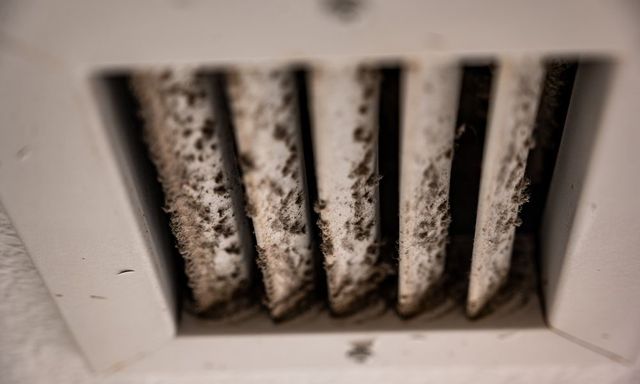
Homeowners in Satellite Beach often request inspections after noticing subtle changes. A musty smell that doesn’t go away is one of the most frequent triggers. This odor often appears near AC vents, closets, or bedrooms that feel damp.
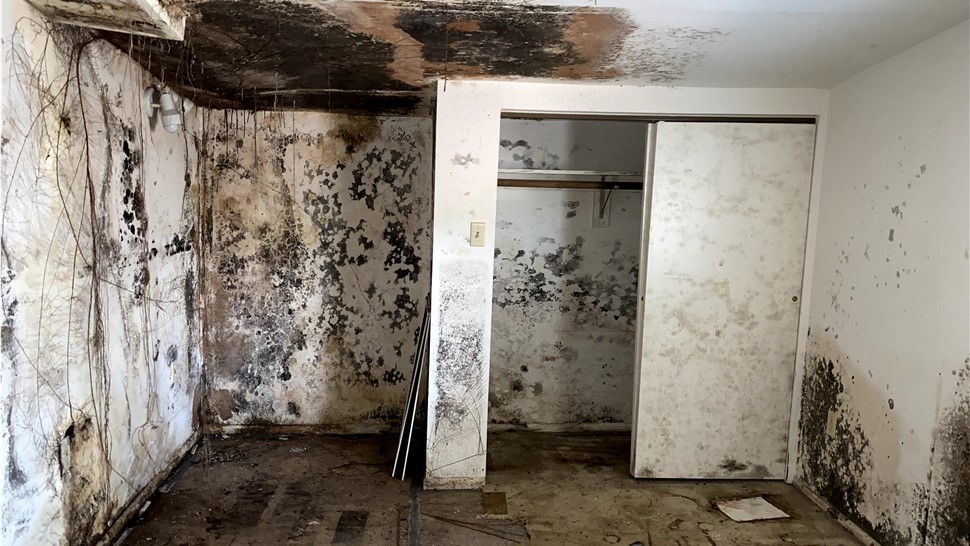
Some homeowners notice discoloration on walls or ceilings, peeling paint, or staining around windows and baseboards. Others experience persistent indoor humidity where rooms never seem to fully dry.
Mold inspections are also common during real estate transactions. Buyers want reassurance before purchasing, and sellers want to address potential issues early rather than deal with delays or negotiations later.
Areas Mold Inspectors Pay Close Attention To
During mold inspections in Satellite Beach homes, certain areas receive extra scrutiny due to their exposure to moisture.
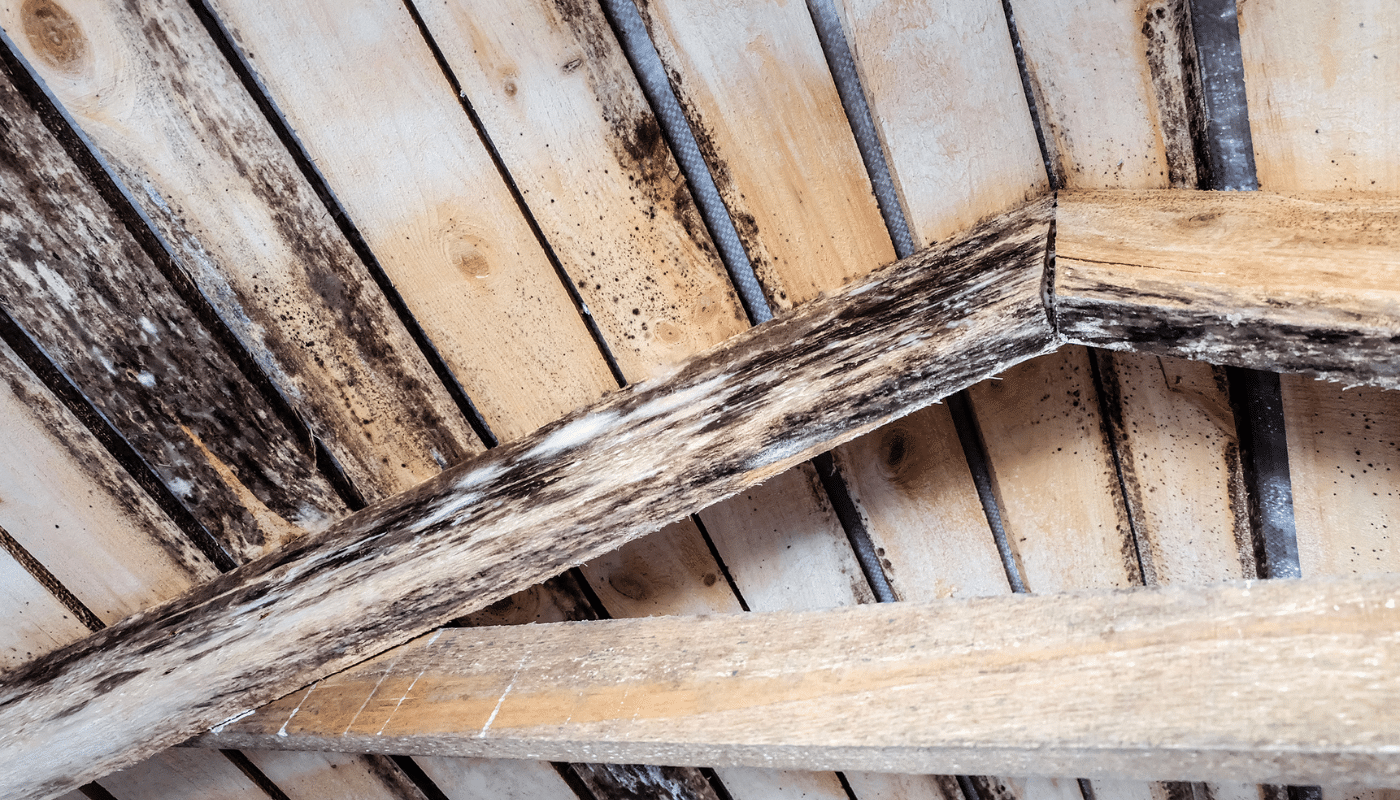
Attics are a major focus. Heat buildup combined with poor ventilation can trap moisture against roof decking and insulation. Even minor roof leaks can lead to mold growth that isn’t visible from living spaces below.
HVAC systems are another priority. Air handlers, drain pans, return plenums, and ductwork often show early signs of moisture problems. Bathrooms, laundry rooms, and kitchens are inspected closely, especially when ventilation is limited or exhaust fans are underperforming.
Inspectors also check behind walls near plumbing fixtures and under flooring, particularly in homes with a history of leaks or water damage.
Why Mold Often Goes Unnoticed
One of the most frustrating aspects of mold is that it doesn’t need light to grow. It thrives in dark, enclosed spaces where moisture lingers undisturbed.
A home can smell clean and look fine while mold grows behind drywall, beneath flooring, or inside HVAC systems. In coastal homes, repeated exposure to humidity allows mold to develop slowly over time, making it harder to detect until odors or damage appear.
Past repairs can sometimes conceal mold rather than eliminate it. Painting or patching drywall without fully addressing moisture can trap damp materials behind finished surfaces.
The Limits of DIY Mold Checks
Home test kits and surface cleaning products are widely available, but they often miss the bigger picture. DIY tests don’t identify moisture sources or hidden growth, and cleaning visible areas doesn’t address mold embedded in porous materials.
Scrubbing or spraying mold without containment can release spores into the air, allowing them to spread to other parts of the home. Without understanding where moisture is coming from, mold frequently returns even after cleaning.
Professional inspections are designed to evaluate the entire environment, not just what’s visible.
What a Professional Mold Inspection Includes
A professional mold inspection typically begins with a detailed visual assessment of the home. Inspectors look for staining, moisture patterns, ventilation issues, and building materials that may support mold growth.
Moisture detection tools are used to locate damp areas behind walls, ceilings, and flooring. In some cases, air or surface samples are collected to better understand what’s present indoors. These samples are analyzed by independent laboratories, providing clear, objective information.
Brevard Mold Inspections & Removal focuses on explaining findings in a straightforward way, helping homeowners understand what matters and what steps may be needed without creating unnecessary concern.
How Mold Removal Decisions Are Made
Not every inspection leads to mold removal. Sometimes correcting a moisture issue early can prevent mold from spreading further.
When remediation is necessary, the approach depends on where mold is located and how extensive it is. Proper remediation involves containment, safe removal of affected materials, and correction of the moisture source to prevent recurrence.
The focus is always on long-term solutions rather than cosmetic fixes.
Preventing Mold in Satellite Beach Homes
Mold prevention in coastal homes centers on moisture control. Maintaining stable indoor humidity levels helps limit growth. Proper ventilation in bathrooms, kitchens, and laundry areas allows moisture to escape instead of settling indoors.
Regular AC maintenance is critical in Satellite Beach homes. Drain lines should remain clear, filters replaced consistently, and air handlers checked for condensation buildup. After storms, inspecting attics, ceilings, and exterior walls can help catch problems early.
Sealing gaps around windows and doors and staying proactive with roof maintenance also reduces the risk of wind-driven rain entering the home.
Why Local Experience in Brevard County Matters
Mold behaves differently in coastal environments than it does inland. Salt air, ocean humidity, and frequent storms all influence how moisture moves through a home.
Local experience means understanding these patterns, common construction styles, and the specific challenges faced by homes in Satellite Beach, Cocoa Beach, Cape Canaveral, and nearby communities. It also means knowing where mold commonly hides in this environment and how to address it effectively.
Brevard Mold Inspections & Removal brings that local knowledge to each inspection, helping homeowners make informed decisions based on real Brevard County conditions.
A Calm Next Step for Homeowners
If you’re noticing persistent odors, humidity issues, or signs of moisture, a professional mold inspection can provide clarity. Inspections help homeowners understand what’s happening inside their home and what actions, if any, are needed.
Taking a measured, informed approach allows you to protect your home, maintain indoor comfort, and avoid larger issues down the road.
Images for This Article
Mold Growth on Interior Walls in Coastal Florida Homes


Attic Mold Caused by Heat and Moisture in Brevard County

Mold and Moisture Around HVAC Systems in Florida Homes