Here’s your fully publish-ready article for
“Black Mold in Melbourne: What Homeowners in Brevard County Should Know” — written calm, factual, local, and homeowner-focused, followed by exactly 3 highly relevant images (no people, no text, no logos, no irrelevant visuals).
Black mold is one of the most misunderstood issues homeowners face in Melbourne and throughout Brevard County. The term alone causes concern, often because of things people have heard online or from friends. In reality, black mold problems in Florida homes are far more common — and far more manageable — than many homeowners realize when handled correctly.
In Melbourne, where humidity is high and air conditioning runs most of the year, black mold often develops quietly after moisture problems go unnoticed. Understanding what black mold really is, why it appears in local homes, and how it’s properly addressed can help homeowners respond calmly and avoid unnecessary stress.
What People Mean by “Black Mold”
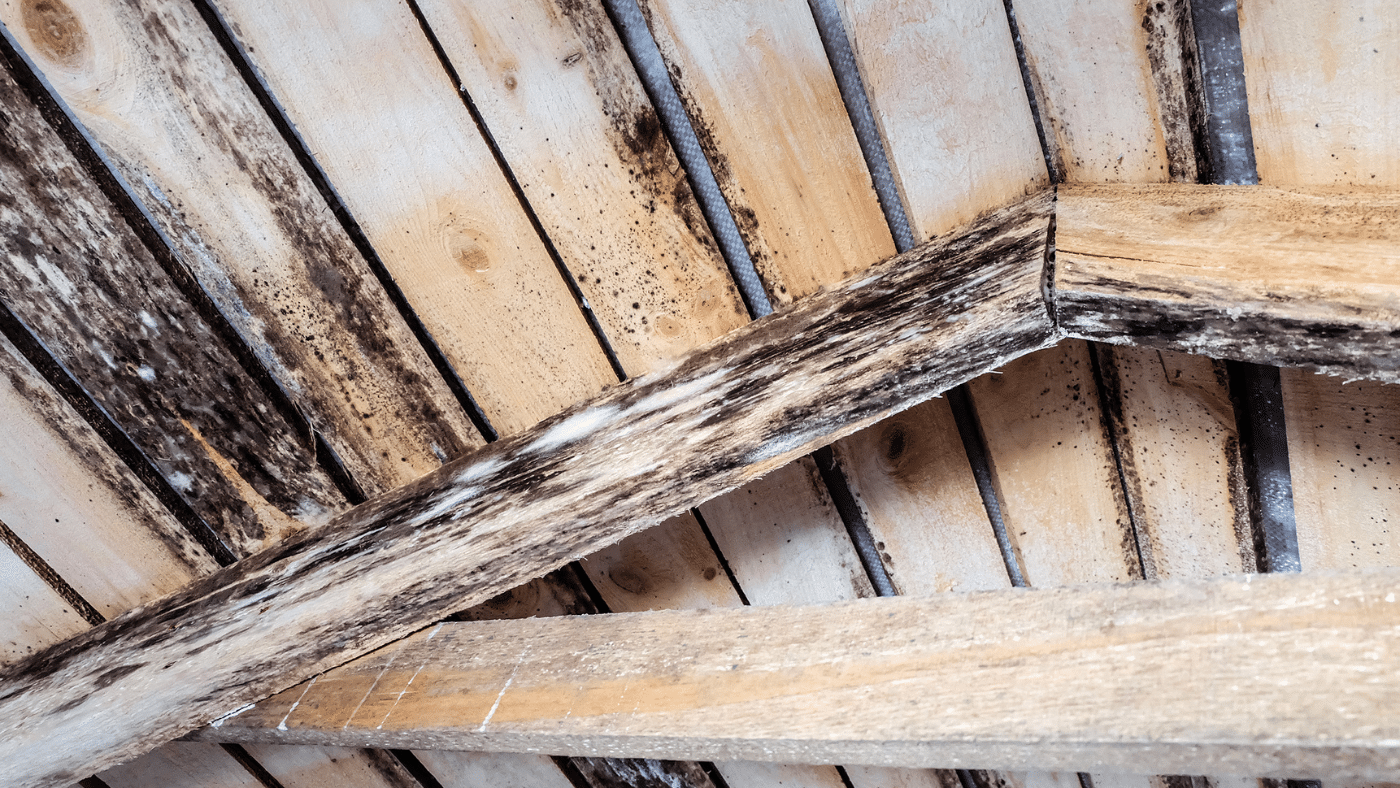
When homeowners talk about black mold, they are usually referring to dark-colored mold growth found on walls, ceilings, or building materials. In many cases, the mold appears black, greenish-black, or dark brown.
Not all dark mold is the same, and color alone does not determine severity. What matters most is why the mold is growing and how long moisture has been present. In Melbourne homes, black mold typically indicates a moisture issue that has been ongoing rather than a sudden event.
Why Black Mold Appears in Melbourne Homes
Melbourne’s climate creates ideal conditions for mold growth. High humidity levels mean moisture is constantly present in the air, even during dry weather. When that moisture settles into porous materials like drywall, wood, or insulation, mold can begin to grow.
Air-conditioning systems play a major role. Condensation forms naturally as AC units remove humidity from indoor air. When drain lines clog, coils stay wet, or airflow is restricted, moisture can build up around air handlers and ductwork.
Storms and heavy rainfall also contribute. Wind-driven rain, roof wear, plumbing leaks, or past water damage can leave moisture trapped behind walls or under flooring. In slab-built homes common throughout Melbourne, moisture can linger beneath floors long after a leak is repaired.
Common Signs Homeowners Notice
Many homeowners first notice a musty or earthy odor that doesn’t go away with cleaning. This smell is often stronger near air vents, closets, or rooms that feel damp.
Visual signs may include dark staining on drywall, ceilings, or baseboards. Paint may bubble or peel, and materials may appear warped or discolored. In some cases, mold is discovered during renovations or routine maintenance when walls or flooring are opened.
Homes with a history of roof leaks, plumbing issues, or flooding are especially vulnerable to black mold growth.
Where Black Mold Commonly Hides
Black mold does not need light to grow. It often develops in hidden or enclosed spaces where moisture remains undisturbed.
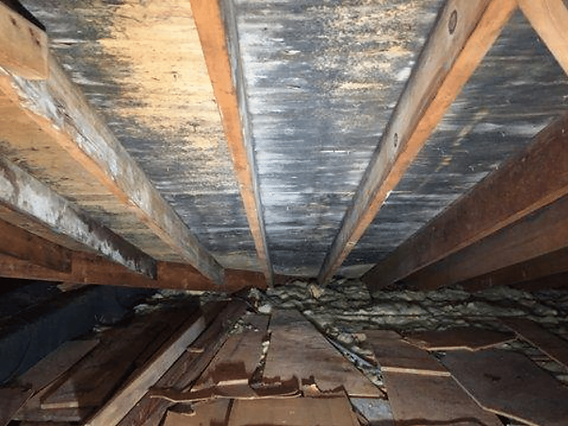
In Melbourne homes, common locations include behind drywall near bathrooms or kitchens, inside HVAC systems, under flooring, and in attics with poor ventilation. Closets on exterior walls and areas near windows are also frequent problem spots due to temperature differences and condensation.
Because mold can remain hidden for long periods, homeowners are often unaware of the issue until odors or visible damage appear.
Why Ignoring Black Mold Makes Problems Worse
Ignoring black mold allows moisture issues to continue unchecked. Over time, mold can spread to additional areas of the home, affecting more materials and increasing remediation needs.
Painting over stains or cleaning surfaces without addressing moisture may hide the problem temporarily but does not stop growth. Mold continues to develop behind finished surfaces, often returning stronger and more widespread later.
Early evaluation helps limit damage and simplifies the remediation process.
Why DIY Black Mold Removal Is Risky
Many homeowners attempt to remove black mold using bleach or household cleaners. While this may improve appearance temporarily, it rarely addresses mold embedded in porous materials.
Bleach does not penetrate drywall or wood, and scrubbing without containment can release spores into the air, spreading them throughout the home. DIY efforts often miss hidden growth and fail to correct the moisture source, allowing mold to return.
Professional evaluation ensures mold is addressed safely and completely.
How Black Mold Is Properly Assessed
Professional assessment begins with a thorough inspection of the home. Inspectors look for visible mold, moisture patterns, ventilation issues, and materials that support mold growth.
Moisture detection tools help locate damp areas behind walls, ceilings, and floors. In some cases, air or surface samples may be collected to better understand what’s present. These results help guide next steps without unnecessary alarm.
Companies like Brevard Mold Inspections & Removal focus on identifying both mold and the moisture conditions causing it, which is essential for long-term resolution.
How Black Mold Is Safely Removed
When black mold removal is necessary, the process follows a structured approach. Containment is used to prevent spores from spreading during removal.
Affected materials are removed safely, and surrounding areas are cleaned using accepted remediation practices. Just as important, the moisture source is corrected to prevent mold from returning.
The focus is always on resolving the underlying issue, not just cleaning visible areas.
Preventing Black Mold in Melbourne Homes
Preventing black mold starts with controlling moisture. Keeping indoor humidity balanced helps limit mold growth. Bathrooms, kitchens, and laundry areas should be properly ventilated to allow moisture to escape.
Routine AC maintenance is critical in Melbourne homes. Drain lines should remain clear, filters replaced regularly, and air handlers checked for condensation buildup. After storms, homeowners should inspect attics, ceilings, and exterior walls for signs of moisture intrusion.
Addressing leaks promptly and maintaining roof systems reduces long-term mold risk.
Why Local Experience in Brevard County Matters
Black mold issues in Melbourne differ from those in other regions. Florida’s climate, construction styles, and weather patterns all influence how mold behaves inside homes.
Local experience means understanding where mold commonly appears in Brevard County homes and how to address it effectively. That knowledge helps ensure solutions are appropriate and long-lasting.
A Calm, Informed Next Step
If you’ve noticed dark mold growth, persistent odors, or moisture issues in your home, a professional evaluation can provide clarity. Early action often prevents more extensive damage and disruption.
Taking a calm, informed approach helps protect your home and allows you to move forward with confidence.
Images for This Article
Black Mold Growth on Interior Drywall

Black Mold in Attic Framing Due to Moisture