
Why Mold Problems Increase After Long Rainy Periods in Merritt Island
long stretches of rain are nothing unusual for Merritt Island residents. During Florida’s wet season, storms can roll through daily, and tropical systems sometimes soak neighborhoods for days or even weeks at a time.
While rain is part of island living, extended wet weather creates one of the biggest triggers for indoor mold growth. Many homeowners only notice mold weeks after the rain stops, without realizing the moisture problems actually started during the storms.
Across communities from North Merritt Island to homes along the Banana River and Sykes Creek, mold issues commonly follow prolonged rainy periods. And often, the damage happens quietly out of sight.
Understanding why this happens helps homeowners act early and avoid major repair costs later.
Understanding How Mold Develops After Heavy Rain
Mold spores exist everywhere in Florida’s environment. They float through outdoor and indoor air constantly. Normally, they don’t cause problems unless they land on a damp surface.
After long rainy periods, homes begin absorbing moisture in ways homeowners may not notice immediately.
Moisture can enter through:
• Small roof leaks
• Window and door seepage
• Wall cracks
• Poor drainage around foundations
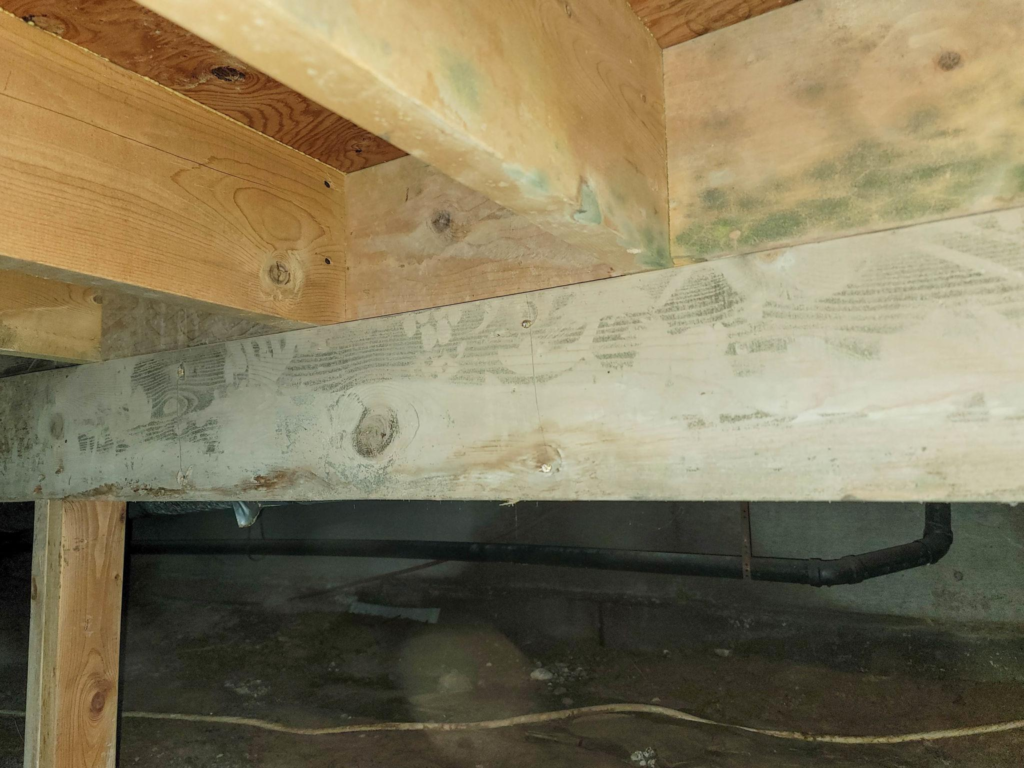
• Flooded or damp crawl spaces
• AC systems working overtime
• Wet insulation or attic spaces
Once materials like drywall, wood, or insulation remain damp for more than 24–48 hours, mold can begin growing.
Because Merritt Island’s humidity remains high even after rain stops, materials dry slowly, allowing mold colonies to spread quietly.
Why Rainy Periods Create Bigger Problems in Merritt Island
Several local factors make extended rain especially risky for homes here.
Coastal and Lagoon Humidity
Being surrounded by waterways such as the Indian River Lagoon keeps air moisture levels high. Even when rain ends, humidity lingers, preventing homes from drying quickly.
Storm Drainage Challenges
Some neighborhoods experience standing water or slow drainage after storms, allowing moisture to linger around foundations and crawl spaces.
High Water Tables
In low-lying areas near Sykes Creek or Banana River, groundwater can rise during long rainy periods, pushing moisture into crawl spaces or slab edges.
Roof and Exterior Wear
Salt air exposure and constant sun weaken roofing materials and exterior seals over time. During prolonged rain, even small weaknesses allow water to seep inside.
AC Systems Struggling During Stormy Weather
Air conditioning systems run heavily during humid weather, but if systems are poorly maintained or improperly sized, they may cool homes without removing enough moisture.
That leaves homes cool but still damp.
Signs Homeowners Often Notice After Rainy Periods
Mold problems rarely show up immediately. Instead, homeowners notice changes weeks after storms pass.
Common warning signs include:
• Musty smells in certain rooms
• Damp odors in closets or storage areas
• Discoloration near ceilings or walls
• Peeling paint or bubbling drywall
• Floors feeling damp or warped
• Increased allergy-like symptoms indoors
• Dark spots near vents or corners
Sometimes mold appears in one room while the real moisture source sits elsewhere.
By the time visible mold appears, growth may already be widespread behind walls or under flooring.
Hidden Mold Areas After Heavy Rain
Professional inspections in Merritt Island homes frequently uncover mold growth in places homeowners rarely check.
Common hidden locations include:
• Behind drywall after roof or wall leaks
• Under laminate or vinyl flooring
• Beneath carpets soaked during storms
• Attics affected by minor roof seepage
• Crawl spaces flooded or damp for days
• Around air handler closets or garage AC units
• Behind kitchen or bathroom cabinets
• Wall cavities affected by window leaks
Even minor leaks that seem harmless can cause significant hidden mold if materials remain damp.
Why DIY Mold Cleanup Often Doesn’t Work
When mold appears after rainy weather, many homeowners attempt quick fixes themselves.
Unfortunately, DIY cleaning usually misses the bigger issue.
Common mistakes include:
• Spraying bleach on visible mold
• Painting over stains
• Cleaning surfaces without fixing moisture problems
• Ignoring hidden damp areas
• Scrubbing mold without proper containment
Bleach only treats the surface and often cannot penetrate porous materials like drywall or wood. Mold roots remain and quickly regrow.
Worse, disturbing mold without containment spreads spores through the home.
Unless moisture sources are corrected, mold simply returns.
What a Professional Mold Inspection Looks Like
A professional mold inspection focuses on identifying both mold and moisture sources.
A typical inspection process includes:
Full Property Evaluation
Inspectors examine areas prone to storm damage, leaks, and moisture retention.
Moisture Detection Tools
Special instruments detect hidden moisture inside walls, ceilings, and floors.
Air or Surface Sampling When Needed
Sampling may be used to measure indoor spore levels or identify mold types, especially during property sales or unexplained air quality concerns.
Simple Explanation of Results
Homeowners receive clear explanations and practical recommendations without unnecessary alarm.
Local specialists, including teams serving through Mold Removal Merritt Island, focus on finding the cause rather than just treating symptoms.
Proper Mold Removal After Rain Damage
Effective remediation does more than clean visible mold.
The proper process typically includes:
Containment Setup
Affected areas are sealed to prevent spores from spreading during cleanup.
Removal of Contaminated Materials
Damaged drywall, insulation, or flooring may need safe removal.
Cleaning and Air Filtration
Professional equipment removes airborne spores and cleans remaining surfaces.
Moisture Source Repair
Leaks, drainage issues, or humidity problems must be fixed to prevent recurrence.
Prevention Guidance
Homeowners receive advice on maintaining dry indoor conditions moving forward.
The goal is always long-term prevention, not just temporary cleanup.
How Homeowners Can Reduce Post-Rain Mold Risk
While storms cannot be controlled, homeowners can reduce risk by taking proactive steps.
Helpful prevention measures include:
• Inspecting roofs and seals annually
• Checking attics after heavy storms
• Ensuring proper yard drainage
• Keeping gutters clear and functional
• Using dehumidifiers during wet months
• Servicing AC systems regularly
• Ventilating bathrooms and kitchens properly
• Checking crawl spaces for standing water
• Inspecting homes after hurricanes or tropical storms
Quick action after storms helps prevent moisture from becoming mold.
Why Local Experience Matters for Mold Problems
Homes in Merritt Island face challenges different from inland communities.
Local professionals understand:
• Neighborhood flooding patterns
• Common storm damage points
• Older construction styles
• Coastal humidity impact on homes
• Typical AC and ventilation issues
Experience working in areas from South Merritt Island to Indian River waterfront homes allows quicker diagnosis and smarter solutions.
Professionals familiar with local conditions can often identify problems others might overlook.
A Calm Next Step for Homeowners After Rainy Seasons
If your home feels damp, smells musty, or shows unusual stains after long rainy periods, having an inspection done can help clarify what’s happening.
An inspection doesn’t automatically mean major repairs. Often, catching problems early keeps solutions simple and affordable.
Local professionals serving Merritt Island communities help homeowners understand risks and make informed decisions without pressure.
Rain is part of Florida living. Mold problems don’t have to be.